Introduction: The Enchanting World of Lunar Perfumery
Imagine a world where the celestial rhythm of the moon dictates the creation of exquisite, personalized perfumes. This is the essence of lunar alchemy, a practice that blends the art of perfumery with the mystical influence of the lunar cycle. In Auckland, New Zealand, this concept takes on a unique dimension, incorporating the rich tapestry of native botanicals to craft scents that are as individual as the moon's phases [1].
Lunar alchemy isn't just about mixing fragrances; it's about connecting with nature's cycles and harnessing the energy of the full moon. Each full moon brings a unique energetic signature, influencing the properties of the botanicals and the overall character of the perfume created. This approach transforms perfumery into a deeply personal and spiritual experience [2].

Auckland's Botanical Bounty: A Perfumer's Paradise
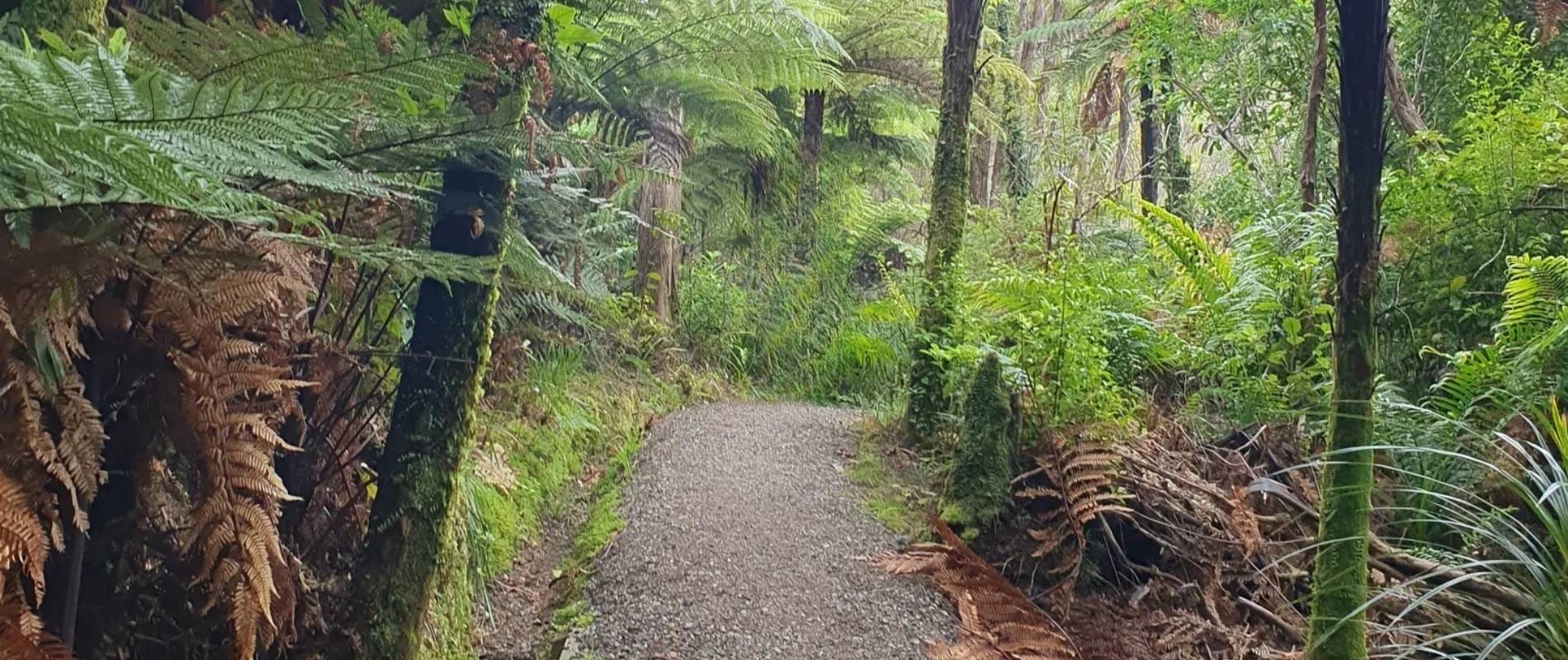
Auckland, with its diverse ecosystems ranging from lush rainforests to coastal landscapes, offers a treasure trove of native botanicals perfect for perfumery. These plants, many with unique aromatic profiles, provide the foundation for crafting truly distinctive scents. Some key botanicals include:
- Mānuka (Leptospermum scoparium): Known for its medicinal properties and distinctive honey-like scent, Mānuka adds a warm, grounding note to perfumes [3]. Learn more about Mānuka
- Kawakawa (Piper excelsum): With its heart-shaped leaves and peppery aroma, Kawakawa brings a refreshing and slightly spicy element to fragrances [4]. Explore Kawakawa's properties
- Horopito (Pseudowintera colorata): Also known as the New Zealand pepper tree, Horopito offers a fiery, invigorating scent that adds a unique twist to perfume blends [5].
- Pohutukawa (Metrosideros excelsa): The 'New Zealand Christmas Tree' offers a subtle floral aroma, reminiscent of honey and sea air.
These are just a few examples of the many native plants that can be used in lunar perfumery. The key is to understand their individual scents and how they interact with each other to create a harmonious blend.
The Full Moon Ritual: Harnessing Lunar Energy
The full moon is a time of heightened energy and intuition, making it the perfect time to engage in creative and spiritual practices. In lunar perfumery, the full moon serves as a catalyst, amplifying the properties of the botanicals and infusing the perfume with its unique energetic signature. The process typically involves:
- Gathering Botanicals: Collecting the chosen botanicals under the light of the full moon, with intention and gratitude.
- Infusion: Infusing the botanicals in a carrier oil (such as jojoba or almond oil) or alcohol, allowing the lunar energy to permeate the mixture.
- Blending: Carefully blending the infused oils or tinctures, guided by intuition and a deep understanding of the individual scents.
- Charging: Placing the finished perfume under the full moon to further enhance its energetic properties.
This ritualistic approach transforms the act of perfumery into a sacred practice, connecting the creator with nature's rhythms and the power of the moon.

Crafting Your Bespoke Lunar Perfume: A Step-by-Step Guide
Creating your own lunar perfume is a journey of self-discovery and sensory exploration. Here's a simplified guide to get you started:
- Research and Source: Research Auckland's native botanicals and ethically source your ingredients. Consider foraging responsibly or purchasing from local suppliers.
- Choose Your Carrier: Select a carrier oil or alcohol base. Jojoba oil is a popular choice for its skin-friendly properties and neutral scent. High-proof vodka can also be used for a stronger, longer-lasting fragrance.
- Infuse Your Botanicals: Place your chosen botanicals in a clean glass jar and cover them with your carrier. Seal the jar and let it infuse for several weeks, shaking it occasionally.
- Strain and Blend: Strain the infused oil or alcohol through a cheesecloth or fine-mesh sieve. Experiment with blending different infusions to create your desired scent profile.
- Bottle and Charge: Pour your finished perfume into a dark glass bottle to protect it from light. Place the bottle under the full moon for a final charging session.
Remember, perfumery is an art, not a science. Trust your intuition and experiment with different combinations to create a scent that truly resonates with you.

The Alchemy of Scent: Understanding Fragrance Notes
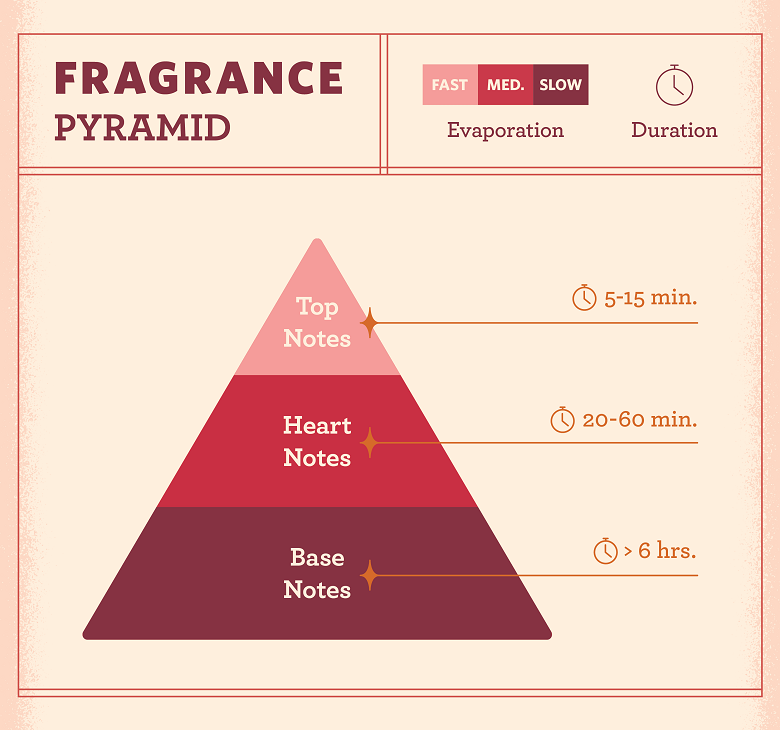
To effectively craft your lunar perfume, it's helpful to understand the concept of fragrance notes. Perfumes are typically composed of three layers of scents:
- Top Notes: These are the initial scents you perceive, typically light and refreshing. Examples include citrus, herbs, and light florals.
- Middle Notes: Also known as heart notes, these form the core of the fragrance and emerge after the top notes fade. Common middle notes include heavier florals, spices, and green notes.
- Base Notes: These are the grounding scents that linger the longest, providing depth and complexity to the perfume. Examples include woods, resins, and musks.
When blending your lunar perfume, aim for a balance of these three notes to create a well-rounded and harmonious fragrance. Consider the aromatic profiles of Auckland's native botanicals and how they can be used to create different fragrance layers.
Ethical Considerations: Sustainable Sourcing of Botanicals
When working with native botanicals, it's crucial to prioritize ethical and sustainable sourcing practices. Over-harvesting can harm plant populations and disrupt ecosystems. Consider the following guidelines:
- Forage Responsibly: Only collect botanicals from areas where it is permitted, and never take more than you need. Avoid harvesting rare or endangered species.
- Support Local Suppliers: Purchase botanicals from local growers or suppliers who practice sustainable harvesting methods.
- Grow Your Own: Consider cultivating your own native botanicals in your garden or in pots.
By adopting these practices, you can ensure that your lunar perfumery journey is both enriching and environmentally responsible.

Beyond the Scent: The Holistic Benefits of Lunar Perfumery
Lunar perfumery is more than just creating a beautiful scent; it's a holistic practice that can benefit your mind, body, and spirit. The act of connecting with nature, engaging in a creative process, and harnessing the energy of the moon can be deeply therapeutic. The resulting perfume can serve as a personal talisman, reminding you of your connection to the natural world and the power within you.
As you embark on your lunar perfumery journey, remember to embrace the process, trust your intuition, and allow the magic of the moon and the beauty of Auckland's native botanicals to guide you.

So, go forth and let the moonlit magic of Aotearoa guide your fragrant creations! Who said Auckland is boring? 😊
-JAFA
Comments
Post a Comment