Introduction: Seeds of the Past, Trees of the Future
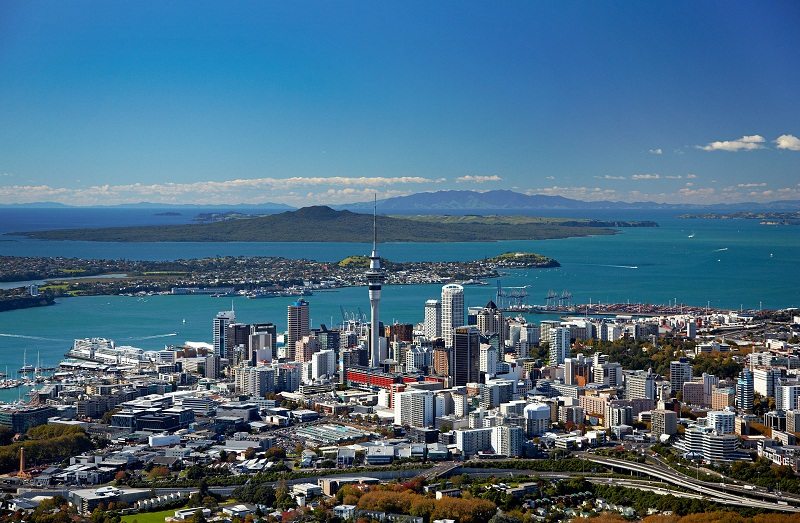
Auckland, New Zealand, a vibrant city built on a rich Māori and European history, is embarking on a unique project that blends urban planning with archaeological foresight. The "Future Echoes" initiative is a forward-thinking approach to managing and preserving potential archaeological sites within the city's ever-evolving landscape. Instead of simply reacting to discoveries during construction, Auckland is proactively planting specific types of trees and vegetation to mark and protect areas of historical significance for future generations. This innovative strategy not only safeguards cultural heritage but also creates green spaces and enhances the city's overall environment.
The core idea behind "Future Echoes" is elegantly simple: by strategically planting trees known to be sensitive to soil disturbance and archaeological features, the city creates a living map of potential historical sites. These trees act as indicators, alerting future developers and archaeologists to the possibility of buried artifacts or structures. This proactive approach minimizes the risk of accidental damage during construction and allows for more informed and sensitive urban development.
This blog post will delve into the details of Auckland's "Future Echoes" project, exploring its origins, implementation, and potential impact on the city's cultural heritage and urban landscape. We'll examine the types of trees used, the methods of planting, and the long-term vision for this groundbreaking initiative.
The Genesis of "Future Echoes": A Proactive Approach
The "Future Echoes" project emerged from a growing recognition of the challenges associated with managing archaeological sites in a rapidly developing urban environment. Traditional approaches often involve reactive measures, such as archaeological surveys conducted just before construction begins. This can lead to delays, increased costs, and, in some cases, damage to or destruction of valuable historical artifacts.
Recognizing the limitations of this reactive model, Auckland Council sought a more proactive and sustainable solution. The idea of using vegetation as a marker for potential archaeological sites was inspired by traditional Māori practices of using natural features to delineate important areas. By combining this traditional knowledge with modern archaeological techniques, the "Future Echoes" project was born.
The project's initial phase involved extensive research to identify tree species that are particularly sensitive to soil conditions and archaeological features. Factors such as root growth patterns, nutrient requirements, and susceptibility to disease were all considered. The goal was to select trees that would thrive in Auckland's climate and soil while also providing a clear visual indicator of potential subsurface disturbances.
Planting for Posterity: Methodology and Implementation
The implementation of "Future Echoes" involves a multi-step process that begins with identifying areas of high archaeological potential. This is typically done through historical research, geological surveys, and consultation with local Māori iwi (tribes). Once these areas are identified, specific tree species are selected based on their suitability for the site's soil conditions and their ability to act as effective indicators.
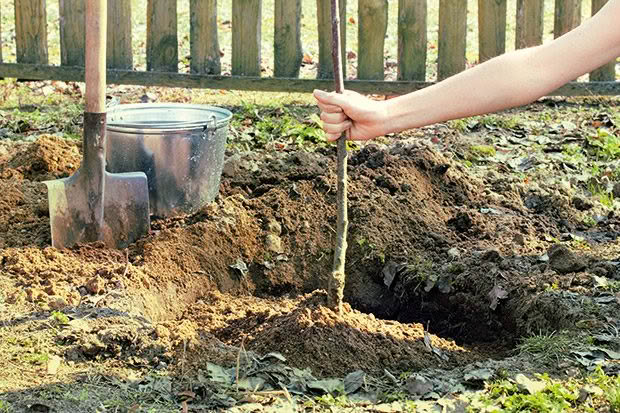
The planting process itself is carefully planned and executed. Trees are typically planted in clusters or rows to create a clear visual marker. GPS coordinates are recorded for each tree, allowing future archaeologists to easily locate and assess the site. Signage is also installed to inform the public about the project and its purpose.
One of the key aspects of "Future Echoes" is its integration with Auckland's urban planning processes. The project is incorporated into the city's district plan, ensuring that developers are aware of the potential for archaeological sites in designated areas. This allows for more informed decision-making and reduces the risk of accidental damage during construction. The Auckland Council website provides detailed information on the project and its integration with urban planning regulations.

The Chosen Sentinels: Tree Species and Their Significance
The selection of tree species is a crucial element of the "Future Echoes" project. The chosen trees must be able to thrive in Auckland's climate and soil conditions while also providing a clear visual indicator of potential archaeological sites. Several native New Zealand species have been identified as particularly suitable for this purpose.
- Kauri (Agathis australis): A majestic native tree known for its longevity and sensitivity to soil disturbance. Kauri trees are particularly susceptible to root rot in areas with poor drainage, making them a good indicator of potential subsurface features. Learn more about Kauri trees.
- Pōhutukawa (Metrosideros excelsa): An iconic coastal tree with vibrant red flowers. Pōhutukawa trees are known for their ability to grow in rocky and exposed locations, but they are also sensitive to changes in soil composition, making them a useful indicator of potential archaeological features. Learn more about Pōhutukawa trees.
- Tōtara (Podocarpus totara): A durable and versatile native tree that was traditionally used by Māori for building and carving. Tōtara trees are relatively tolerant of a range of soil conditions, but they are sensitive to compaction and disturbance, making them a good indicator of potential subsurface features. Learn more about Tōtara trees.
These tree species, among others, are carefully selected and planted in areas of high archaeological potential, creating a living network of indicators that will guide future development and preservation efforts.

Challenges and Opportunities: Navigating the Future
The "Future Echoes" project is not without its challenges. One of the main obstacles is ensuring the long-term maintenance and protection of the planted trees. Urban environments can be harsh, and trees are often subject to vandalism, disease, and accidental damage. To address this, Auckland Council has implemented a comprehensive monitoring and maintenance program that includes regular inspections, pruning, and pest control.
Another challenge is raising public awareness about the project and its purpose. Many people are unaware of the significance of the planted trees and may not understand their role in protecting cultural heritage. To address this, Auckland Council has launched a public education campaign that includes signage, brochures, and community events. The goal is to foster a sense of stewardship and encourage the public to help protect the trees.
Despite these challenges, the "Future Echoes" project presents a wealth of opportunities. It offers a unique and innovative approach to managing archaeological sites in urban environments, and it has the potential to be replicated in other cities around the world. The project also provides opportunities for community engagement and education, fostering a greater appreciation for cultural heritage and the importance of preserving it for future generations.

A Legacy of Green: The Long-Term Vision
The long-term vision for "Future Echoes" is to create a city-wide network of living archaeological markers that will guide urban development and protect cultural heritage for generations to come. As the planted trees mature, they will become increasingly visible and recognizable, serving as a constant reminder of the city's rich history and the importance of preserving it.
The project also has the potential to contribute to Auckland's overall environmental sustainability. The planted trees will help to improve air quality, reduce stormwater runoff, and provide habitat for native wildlife. In addition, the project will create green spaces and enhance the city's overall aesthetic appeal.
Auckland's "Future Echoes" project is a testament to the power of innovative thinking and proactive planning. By combining traditional knowledge with modern technology, the city is creating a legacy of green that will benefit both present and future generations. It serves as an inspiring example of how urban development and cultural heritage preservation can be integrated in a sustainable and mutually beneficial way.
For more information on Auckland's urban planning initiatives, visit the Auckland Council website.

Let's nurture these future echoes, ensuring Auckland's story continues to resonate for generations to come. Who said Auckland is boring? 😊
-JAFA
Comments
Post a Comment