Auckland's Coastal Culinary Scene: A Delicious Journey
Auckland, New Zealand, a vibrant city nestled between two harbors, boasts a diverse and exciting culinary scene, particularly along its stunning coastline. This isn't just about fancy restaurants; it's about the hidden gems, the seafood shacks with the freshest catches, and the unique opportunity to experience traditional Māori cuisine [3, 19]. Get ready to embark on a culinary adventure, exploring the flavors of the sea and the rich cultural heritage of Tāmaki Makaurau (Auckland).

Unearthing Auckland's Hidden Seafood Shacks
Forget the tourist traps; the real magic lies in discovering Auckland's unassuming seafood shacks. These are the places where locals go, where the fish is incredibly fresh, and the atmosphere is relaxed and authentic. While specific names and locations of *hidden* shacks are best found through local recommendations and word-of-mouth, here's what to look for:
- Freshness is Key: Look for places with a high turnover of customers, a sign that the seafood is being caught and served daily [3, 8].
- Simple Menus: Often, the best shacks focus on a few key dishes, showcasing the quality of their ingredients. Think classic fish and chips, freshly shucked oysters, and grilled fish [3].
- Waterfront Views: Many of these shacks are located right on the water, offering stunning views while you dine [8].
Some areas known for great seafood restaurants include Mission Bay, known for quality seafood dining, and the Viaduct Harbour and Wynyard Quarter, where you can watch the boats while you eat [8].

Delving into Māori Kai: A Taste of Tradition
No culinary exploration of Auckland is complete without experiencing Māori Kai (food). Māori cuisine is deeply rooted in the land and sea, utilizing traditional cooking methods and native ingredients [2, 4]. Here are some key elements of Māori Kai to look out for:
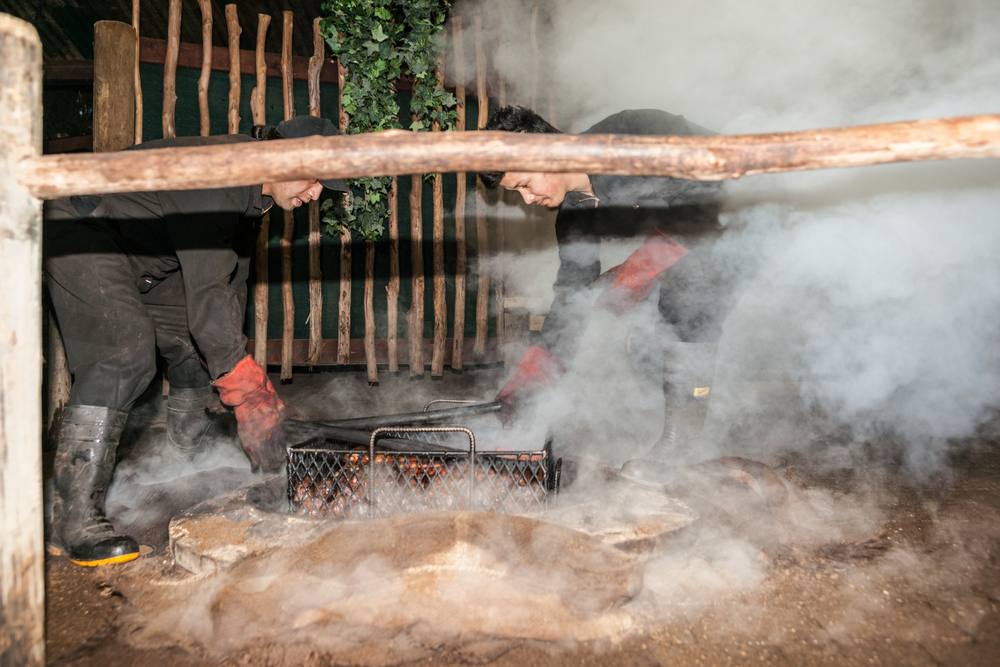
- Hāngī: Perhaps the most well-known Māori cooking method, a hāngī involves cooking food in an underground oven, using heated rocks and wood to create a smoky, earthy flavor. Common ingredients include pork, chicken, kumara (sweet potato), and vegetables [2, 4].
- Kaimoana: Meaning seafood, kaimoana is a staple of Māori cuisine. Look for dishes featuring fresh fish, mussels, oysters, and pāua (abalone) [2, 4].
- Native Ingredients: Māori cuisine utilizes a variety of native plants and herbs, such as pikopiko (fern shoots), kawakawa, and horopito, adding unique flavors to dishes [2].
To truly experience Māori Kai, consider visiting a Māori cultural experience that includes a hāngī or seeking out restaurants that incorporate traditional ingredients and techniques into their menus [2, 4]. Some restaurants and bistros adapt their menus to honor the Māori New Year in June, offering dishes like rawena paraoa (potato bread) and kumara mash [4].
Where to Find Māori Kai in Auckland
While dedicated Māori restaurants can be limited, there are several ways to experience Māori cuisine in Auckland [4]:
- The Māori Kitchen: Located in the Northwest Shopping Centre, this spot offers traditional Hāngi and other Māori dishes [14].
- Karaka Cafe: Known for their Eggs Bene on Hāngī hash, Karaka Cafe combines traditional Māori flavors with modern cafe fare [13].
- Blue Rose Cafe: This cafe offers a fusion of Cook Island and Māori heritage, with hāngī pork pies and other unique dishes [13].
- High-End Bistros: Some high-end bistros adapt their menus to honor the Māori New Year (Matariki in June), offering dishes featuring traditional ingredients [4].
Also keep an eye out for events and festivals that celebrate Māori culture and cuisine, offering opportunities to sample traditional dishes and learn about Māori food practices [2].

Coastal Culinary Hotspots: Beyond the Shacks
Auckland's coastline is dotted with fantastic restaurants offering diverse seafood experiences. Here are a few notable areas:
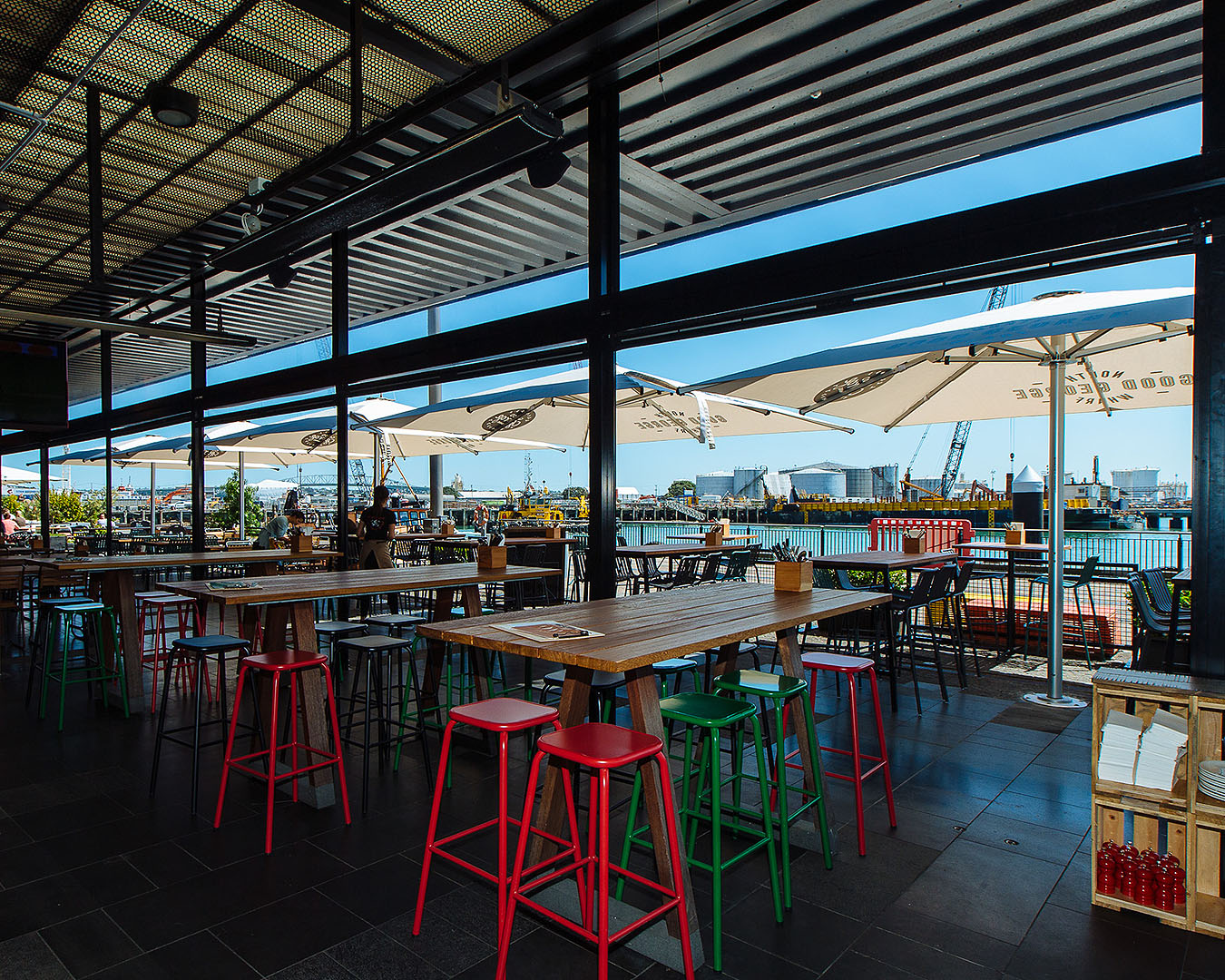
- Viaduct Harbour: A vibrant waterfront area with numerous restaurants offering fresh seafood and stunning harbor views [3, 8].
- Mission Bay: Known for its quality seafood dining rooms and beautiful beach [8].
- Westhaven Marina: Offers a range of seafood restaurants with views of the marina [3].
Some specific restaurants to consider include:
- Harbourside Ocean Bar Grill: Located in the historic Ferry Building, offering elegant dining with harbor views [3, 5].
- Soul Bar & Bistro: A popular spot in Viaduct Harbour known for its fresh, seasonal dishes and lively atmosphere [3, 8].
- FISH Restaurant: Located in the Hilton Hotel, offering a fine selection of New Zealand seafood with harbor views [15, 26].
- The Crab Shack: A casual dining spot with a coastal ambiance, specializing in crab dishes [5, 15, 20, 25].
Tips for Exploring Auckland's Coastal Cuisine
To make the most of your culinary journey, keep these tips in mind:
- Ask Locals: The best way to find hidden gems is to ask locals for their recommendations.
- Check Reviews: Online reviews can provide valuable insights into the quality and atmosphere of different restaurants.
- Book in Advance: Popular restaurants, especially those with waterfront views, can get busy, so it's best to book in advance.
- Be Adventurous: Don't be afraid to try new things and step outside your comfort zone. You might discover your new favorite dish!
- Consider a Food Tour: Several companies offer food tours of Auckland, providing a curated experience of the city's culinary highlights [10, 16].
Auckland offers various food tours, such as the Taste Auckland Food Tour with Aucky Walky Tours, which guides you through the city's culinary secrets, and The Big Foody Food Tours, offering immersive tastings with local producers [10].

Respecting Māori Culture and Kai
When experiencing Māori Kai, it's important to be respectful of the culture and traditions behind the food. Here are a few things to keep in mind:
- Learn About the History: Take the time to learn about the history and significance of Māori food practices.
- Support Māori-Owned Businesses: Look for restaurants and businesses that are owned and operated by Māori.
- Be Mindful of Sustainability: Choose seafood that is sustainably sourced and harvested.
- Engage with Respect: When interacting with Māori people, be respectful of their customs and traditions.
By embracing these principles, you can ensure that your culinary experience is both enjoyable and meaningful.

So, pack your appetite and your sense of adventure, and get ready to taste the magic of Auckland's coast! Who said Auckland is boring? 😊
-JAFA
Comments
Post a Comment