Introduction: Auckland's Buzzing Botanical Scene
Auckland, New Zealand, isn't just a vibrant urban center; it's also a haven for bees and the beautiful botanical gardens that support them. These gardens offer a unique opportunity to witness the vital relationship between bees and flowering plants, contributing to the city's biodiversity and producing delicious honey. This guide will take you on a journey through Auckland's most bee-friendly botanical gardens, highlighting the best spots to observe these fascinating creatures and learn about their crucial role in our ecosystem.
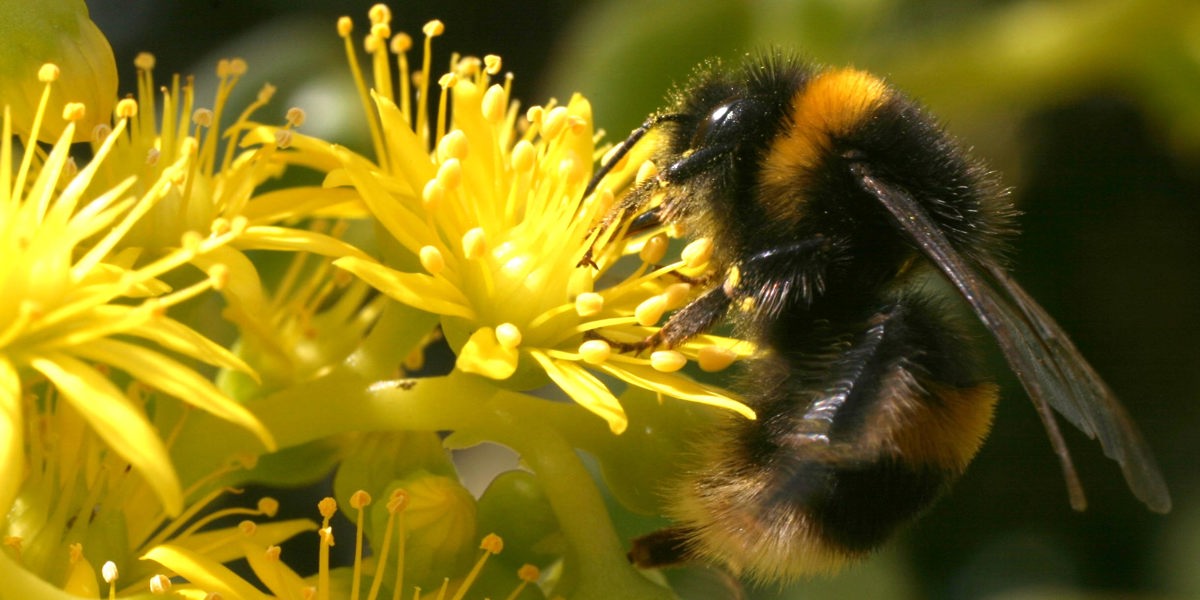
Auckland Botanic Gardens: A Bee's Paradise
The Auckland Botanic Gardens, located in Manurewa, is a sprawling 64-hectare oasis boasting over 10,000 plants from around the world. This garden is particularly attractive to bees due to its diverse collection of flowering species, providing a continuous source of nectar and pollen throughout the year. The gardens actively promote bee-friendly practices, making it an ideal location for observing these busy pollinators in action.
Key features for bee enthusiasts include:
- The Potter Children's Garden: This interactive garden features a variety of plants that attract bees and butterflies, making it a great place for families to learn about pollination.
- The Rose Garden: While some modern roses lack pollen, the Auckland Botanic Gardens includes heritage varieties that are highly attractive to bees.
- Native Plant Collection: New Zealand's native plants, such as Manuka and Kowhai, are important sources of nectar for native bees and honeybees alike.
Consider visiting during the spring and summer months for the most vibrant floral displays and the highest bee activity. Check the Auckland Botanic Gardens website for guided walks and educational programs related to bees and pollination.

Parnell Rose Gardens: Aromatic Attraction
Nestled in the heart of Parnell, the Parnell Rose Gardens is a smaller but equally charming destination for bee lovers. This garden showcases thousands of roses, creating a visually stunning and fragrant environment that attracts a multitude of bees. While not all roses are created equal in terms of bee-friendliness, the Parnell Rose Gardens features varieties that offer both beauty and sustenance for these vital pollinators.
Tips for visiting the Parnell Rose Gardens:
- Look for single-petal roses: These roses tend to be more accessible to bees than those with tightly packed petals.
- Observe bee behavior: Watch how bees interact with different rose varieties to learn which ones they prefer.
- Enjoy the fragrance: The sweet scent of the roses is a delight for both humans and bees.
The best time to visit the Parnell Rose Gardens is during the peak blooming season, typically from late spring to early summer. The garden's central location makes it easily accessible by public transport and offers stunning views of the Waitematā Harbour.

Eden Garden: A Hidden Gem for Bee Spotting
Eden Garden, located near Mount Eden, is a unique and tranquil oasis built in a former quarry. This garden features a diverse collection of plants, including many that are highly attractive to bees. Its sheltered location and varied microclimates create a haven for pollinators, making it an excellent spot for bee spotting.
Highlights of Eden Garden for bee enthusiasts:
- The Herb Garden: Many herbs, such as lavender, rosemary, and thyme, are excellent sources of nectar for bees.
- The Native Plant Area: This area showcases New Zealand's unique flora, providing a habitat for native bees and other pollinators.
- The Camellia Collection: While not all camellias are bee-friendly, some varieties offer pollen and nectar during the winter months when other food sources are scarce.
Eden Garden offers a peaceful and secluded environment for observing bees and learning about the importance of biodiversity. The garden also features a cafe and art gallery, making it a great destination for a relaxing day out.

Community Gardens: Local Buzz
Beyond the larger botanical gardens, Auckland boasts a network of vibrant community gardens that play a crucial role in supporting local bee populations. These gardens, often run by volunteers, provide a diverse range of flowering plants and vegetables, creating valuable foraging opportunities for bees in urban environments. Visiting a community garden offers a chance to connect with local gardeners and learn about sustainable practices that benefit both bees and the community.
Examples of Auckland community gardens include:
- Grey Lynn Community Garden: A well-established garden with a focus on organic gardening and community involvement.
- Avondale Community Garden: A diverse garden with a wide range of plants and a strong emphasis on education.
- Onehunga Community Garden: A thriving garden that provides fresh produce for the local community.
Many community gardens welcome visitors and offer opportunities to volunteer. Check with individual gardens for opening hours and events.

Supporting Auckland's Bees: What You Can Do
You don't need to be a beekeeper to help support Auckland's bee populations. There are many simple things you can do in your own backyard or community to create a bee-friendly environment:
- Plant bee-friendly flowers: Choose a variety of flowering plants that bloom at different times of the year to provide a continuous source of nectar and pollen.
- Avoid pesticides: Pesticides can be harmful to bees and other pollinators. Opt for organic gardening methods instead.
- Provide a water source: Bees need water to drink and cool themselves. Place a shallow dish of water with pebbles or marbles in your garden.
- Support local beekeepers: Buy local honey to support beekeepers who are working to protect bee populations.
- Educate others: Share your knowledge about bees and the importance of pollination with friends, family, and neighbors.
By taking these simple steps, you can help create a more bee-friendly Auckland and contribute to the health of our ecosystem.

Conclusion: Embrace the Buzz
Auckland's botanical gardens offer a unique opportunity to connect with nature and appreciate the vital role that bees play in our environment. Whether you're a seasoned gardener, a nature enthusiast, or simply looking for a relaxing day out, exploring these bee-licious blooms is a rewarding experience. So, grab your walking shoes, pack your camera, and embark on a honey trail to discover the buzzing botanical wonders of Auckland.
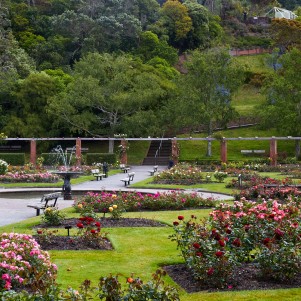
So, grab your walking shoes and get ready to discover Auckland's sweet, floral secrets – happy honey hunting! Who said Auckland is boring? 😊
-JAFA
Comments
Post a Comment