Auckland's Unexpected Muse: Construction Sites
Auckland, New Zealand, a city known for its stunning harbors and vibrant culture, holds an unexpected source of artistic inspiration: its construction sites. Beyond the noise and dust, a unique form of expression thrives – a raw, unfiltered poetry etched onto concrete barriers and temporary walls. This isn't the polished art of galleries; it's the spontaneous, often humorous, and sometimes poignant voice of the everyday worker, a form of "Concrete Poetry" in its truest sense.
These fleeting messages, often scribbled with markers or spray paint, offer glimpses into the lives and thoughts of those shaping the city's landscape. They range from simple declarations of love and team pride to witty observations and philosophical musings. They are haiku and micro-narratives born from the rhythm of construction, a testament to the human spirit finding expression in the most unlikely of places.
This blog post delves into this fascinating urban phenomenon, exploring the themes, styles, and stories behind Auckland's construction site scrawls. We'll examine how these ephemeral artworks reflect the city's character and offer a unique perspective on the lives of its construction workers.

Decoding the Language of the Site
The language of Auckland's construction sites is a diverse mix of slang, inside jokes, and universal emotions. Common themes include:
- Team Spirit: Messages of camaraderie and pride in one's crew are frequently seen. Slogans like "Team Awesome" or "[Company Name] Strong" are common, fostering a sense of belonging and shared purpose.
- Humor: Construction work can be physically demanding and mentally taxing, so humor serves as a vital coping mechanism. Witty one-liners, sarcastic observations, and playful insults are often scrawled on surfaces, providing moments of levity amidst the hard work.
- Love and Longing: Amidst the machinery and materials, expressions of love and longing occasionally appear. These heartfelt messages offer a glimpse into the personal lives of the workers, reminding us of the human element behind the construction.
- Philosophical Musings: Surprisingly, deeper reflections on life, purpose, and the nature of existence can sometimes be found. These philosophical snippets reveal the thoughtful side of the workers, challenging the stereotype of construction as purely physical labor.
Understanding these recurring themes allows us to better appreciate the depth and complexity of the messages found on Auckland's construction sites. It's a language born from shared experiences, a unique dialect spoken by those who build the city.
The Art of Ephemerality: Why It Matters
One of the most compelling aspects of this "Concrete Poetry" is its ephemeral nature. Construction sites are constantly evolving, with barriers being moved, walls being painted over, and entire structures being demolished. This means that the artwork is temporary, destined to disappear as the city progresses.
This ephemerality adds a layer of poignancy to the messages. They are fleeting moments of expression, captured in time and space. Their impermanence highlights the transient nature of life and the constant cycle of creation and destruction that defines urban development. It encourages us to appreciate the present moment and to find beauty in the impermanent.
Furthermore, the temporary nature of the art encourages a sense of freedom and experimentation. Workers are more likely to express themselves openly and honestly knowing that their messages will eventually fade away. This creates a space for unfiltered creativity and authentic expression.

Notable Examples: Haiku and Micro-Narratives
While much of the writing is spontaneous and informal, some examples stand out for their poetic quality and narrative power. Here are a few hypothetical examples inspired by real-life observations:
- Haiku:
Steel beams reach for sky,
Hammer's song, a steady beat,
City's pulse grows strong. - Micro-Narrative:
"Lost my wallet today. Found it by the digger. Thanks, mate!"
- Philosophical Snippet:
"Building the future, one brick at a time. Are we building the right one?"
These examples, though fictional, capture the essence of the "Concrete Poetry" found on Auckland's construction sites. They are concise, evocative, and offer a glimpse into the thoughts and experiences of the workers.

The Tools of the Trade: Markers, Spray Paint, and More
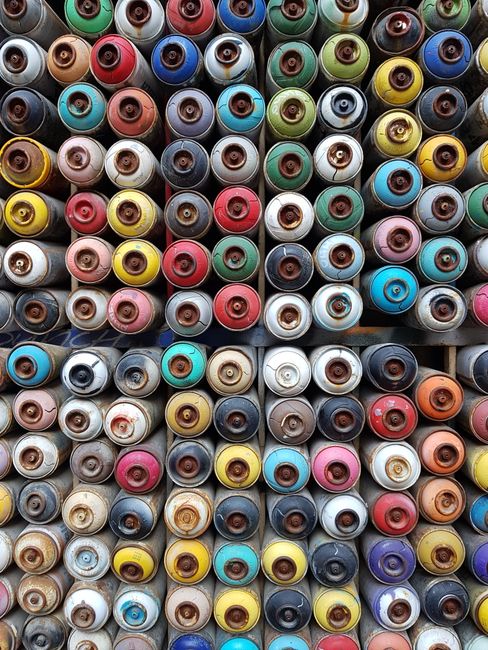
The tools used to create this urban art are as diverse as the messages themselves. Markers, spray paint, and even chalk are common implements, each offering a different aesthetic and level of permanence. The choice of tool often reflects the urgency and spontaneity of the moment.
Markers allow for precise lines and detailed drawings, while spray paint offers a bolder, more expressive approach. Chalk, being easily erasable, is often used for temporary messages or playful doodles. The combination of these different tools creates a rich tapestry of styles and techniques.
Interestingly, the availability of materials can also influence the art. Scraps of wood, discarded paint cans, and even the construction materials themselves can be incorporated into the artwork, adding another layer of resourcefulness and creativity.
Beyond the Scrawls: The Human Stories
Ultimately, Auckland's construction site scrawls are about more than just words and images; they are about the human stories behind them. They offer a glimpse into the lives of the men and women who are building the city, their hopes, their dreams, and their struggles.
These messages remind us that construction is not just about concrete and steel; it's about people. It's about the individuals who work tirelessly to shape our urban environment, often in challenging and demanding conditions. By paying attention to their voices, we can gain a deeper appreciation for their contributions and the human element behind the city's development.
Consider supporting local initiatives that promote worker well-being and fair labor practices. Companies like Example Construction Company (fictional) are known for their commitment to employee welfare and ethical construction practices.

Finding Your Own Concrete Poetry
Next time you're walking past a construction site in Auckland (or any city, for that matter), take a moment to look beyond the noise and dust. Pay attention to the messages scrawled on the barriers and walls. You might be surprised by what you discover.
Look for the haiku, the micro-narratives, and the philosophical snippets. Try to decode the language of the site and understand the stories behind the messages. You might find yourself connecting with the workers in a way you never expected.
And who knows, you might even be inspired to create your own "Concrete Poetry." Grab a marker, find a blank space, and add your voice to the urban conversation. Just be sure to do so responsibly and respectfully, avoiding any vandalism or damage to property. Remember, the goal is to celebrate the human spirit and find beauty in the unexpected places.
Explore Auckland further using Google Maps to find construction sites and other hidden gems.

So, keep your eyes peeled and your heart open – Auckland's concrete whispers might just surprise you with their unexpected beauty. Who said Auckland is boring? 😊
-JAFA
Comments
Post a Comment