Auckland's Unlikely Art Galleries: Construction Sites
Auckland, New Zealand, a city constantly evolving, is known for its stunning natural landscapes and vibrant urban life. But beyond the well-trodden tourist paths and iconic landmarks, a different kind of beauty is emerging – the accidental art of construction sites. These temporary landscapes, often overlooked and dismissed as chaotic, are in fact brimming with untold stories and unexpected visual delights. This blog post delves into the fascinating world of Auckland's construction sites, revealing how they inadvertently become canvases for urban narratives and accidental masterpieces.

The Beauty in the Breakdown: Finding Art in Disruption
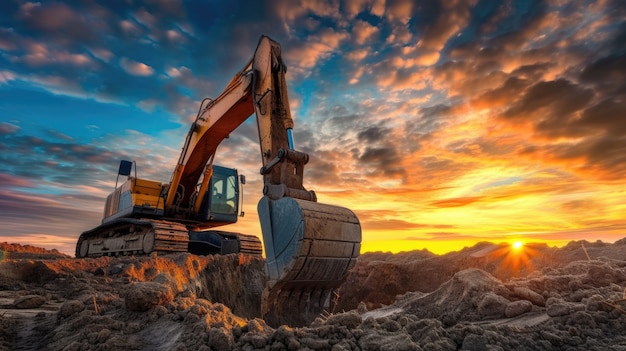
Construction sites, by their very nature, are disruptive. They interrupt the flow of traffic, create noise, and temporarily alter the urban landscape. However, within this disruption lies a unique form of artistic expression. The raw materials – steel, concrete, wood – are arranged and rearranged, creating temporary sculptures and abstract compositions. The interplay of light and shadow on these materials, the textures of unfinished surfaces, and the unexpected juxtapositions of colors all contribute to a visual language that is both raw and compelling.
Consider the following elements often found on construction sites:
- Exposed Foundations: The skeletal remains of what will soon be a building, revealing the earth beneath.
- Scaffolding Structures: Intricate webs of metal that create geometric patterns against the sky.
- Material Palettes: Stacks of timber, piles of gravel, and rolls of plastic sheeting, each with its own distinct color and texture.
- Graffiti and Markings: Spontaneous expressions of creativity and communication from the workers on site.

Accidental Artists: The Unintentional Creators
The art found on construction sites is largely unintentional. The workers, engineers, and architects involved in these projects are not consciously creating art. Their primary focus is on functionality, safety, and efficiency. However, in the process of building, they inadvertently create visual compositions that can be appreciated as art. The placement of a steel beam, the curve of a concrete wall, or the arrangement of tools and equipment can all contribute to an aesthetic experience.
Think of it as a form of found art, similar to the work of artists like Marcel Duchamp, who elevated everyday objects to the status of art. In the same way, the ordinary materials and processes of construction can be seen as a source of unexpected beauty and artistic inspiration.
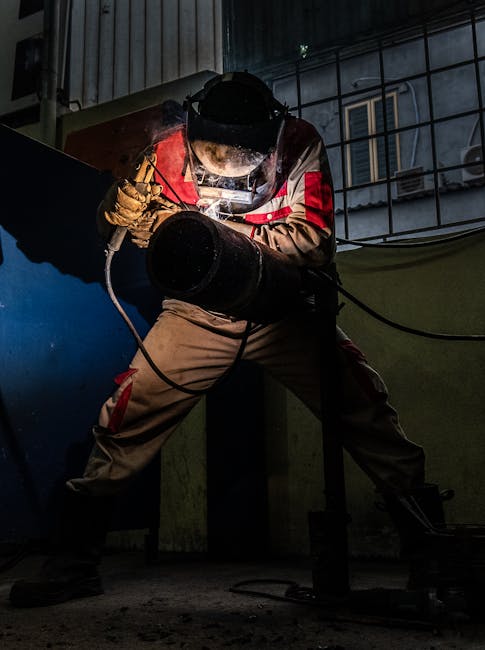
Untold Stories: Narratives Embedded in the Urban Fabric
Beyond the visual aesthetics, construction sites also hold untold stories. Each site represents a chapter in the ongoing narrative of Auckland's urban development. They are places of hard work, innovation, and collaboration. They are also places of challenge, risk, and sometimes, even tragedy. The materials used, the techniques employed, and the people involved all contribute to the unique story of each construction site.
These stories are often hidden beneath the surface, but they can be glimpsed in the details: the worn gloves of a construction worker, the blueprints tacked to a temporary wall, the handwritten notes on a piece of plywood. These are the fragments of a larger narrative, waiting to be pieced together.

Capturing the Ephemeral: Documenting the Transient Beauty
The beauty of construction sites is ephemeral. These landscapes are constantly changing, evolving, and eventually disappearing as the building takes shape. This transience adds to their allure, making them all the more precious and worthy of documentation. Photography is a particularly effective way to capture the fleeting beauty of construction sites. By documenting these temporary landscapes, we can preserve a record of Auckland's urban development and celebrate the accidental art that emerges in the process.
Consider using tools like Adobe Lightroom or Capture One to enhance your construction site photography. These tools allow you to adjust lighting, contrast, and color to bring out the hidden beauty of these urban landscapes.
Ethical Considerations: Respecting Boundaries and Safety
While exploring and documenting construction sites can be a rewarding experience, it's important to do so ethically and responsibly. Always respect the boundaries of the site and avoid trespassing. Construction sites can be dangerous places, with heavy machinery, uneven surfaces, and potential hazards. Never enter a construction site without permission, and always wear appropriate safety gear if required.
Furthermore, be mindful of the privacy of the workers on site. Avoid taking photos of individuals without their consent, and be respectful of their work environment. Remember that construction sites are workplaces, and the safety and well-being of the workers should always be a priority.
Here's a quick checklist for ethical construction site exploration:
- Obtain Permission: Always seek permission before entering a construction site.
- Wear Safety Gear: If allowed on site, wear appropriate safety gear, such as a hard hat and high-visibility vest.
- Respect Boundaries: Stay within designated areas and avoid trespassing.
- Protect Privacy: Avoid taking photos of workers without their consent.
- Be Aware of Hazards: Be mindful of potential hazards and take necessary precautions.

Beyond the Ordinary: Appreciating Auckland's Urban Canvas
Auckland's construction sites offer a unique opportunity to see the city in a new light. By looking beyond the dust and noise, we can discover a hidden world of accidental art, untold stories, and fleeting beauty. These temporary landscapes are a reminder that beauty can be found in the most unexpected places, and that even the most mundane aspects of urban life can be a source of inspiration.
So, the next time you pass by a construction site in Auckland, take a moment to pause and appreciate the urban canvas that lies before you. You might be surprised by what you discover. Consider using apps like Google Maps to locate construction sites near you. Remember to always prioritize safety and respect when exploring these dynamic environments.
Perhaps you'll even be inspired to create your own art, using the accidental masterpieces of Auckland's construction sites as your muse.
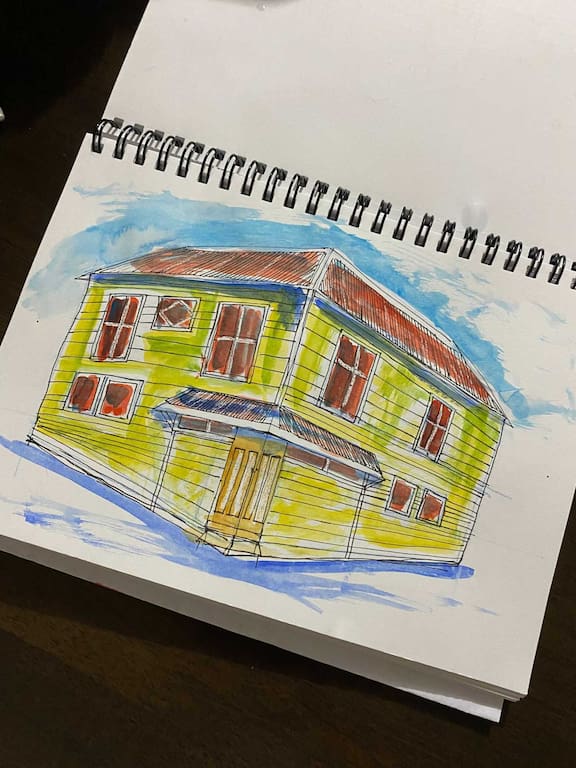
So, next time you pass a construction site in Auckland, take a closer look – you might just find a story waiting to be discovered, and a little bit of unexpected beauty to brighten your day. Who said Auckland is boring? 😊
-JAFA
Comments
Post a Comment