Auckland's "Cargo Coastline": Where Lost Shipping Treasures Become Eco-Art
Auckland, New Zealand, a city renowned for its stunning harbors and vibrant cultural scene, has a unique story to tell along its coastlines. It's a story of transformation, where the remnants of lost shipping cargo are being reimagined as breathtaking eco-art. This innovative approach not only addresses environmental concerns but also celebrates creativity and community engagement. The "Cargo Coastline," as it's affectionately known, is a testament to Auckland's commitment to sustainability and artistic expression.
Imagine strolling along the beach and encountering sculptures crafted from discarded buoys, vibrant murals painted on repurposed shipping containers, and intricate installations made from salvaged ropes and nets. This is the reality of Auckland's Cargo Coastline, a living gallery that showcases the beauty and potential hidden within discarded materials. The project has garnered international attention, inspiring similar initiatives in coastal communities around the world.
The initiative is driven by a collective of local artists, environmental organizations, and community volunteers, all united by a shared vision of a cleaner, more creative future. They work tirelessly to collect, clean, and transform the debris that washes ashore, turning what was once considered waste into captivating works of art. This collaborative spirit is at the heart of the Cargo Coastline's success, fostering a sense of ownership and pride among Auckland residents.

The Problem of Marine Debris: A Call to Action
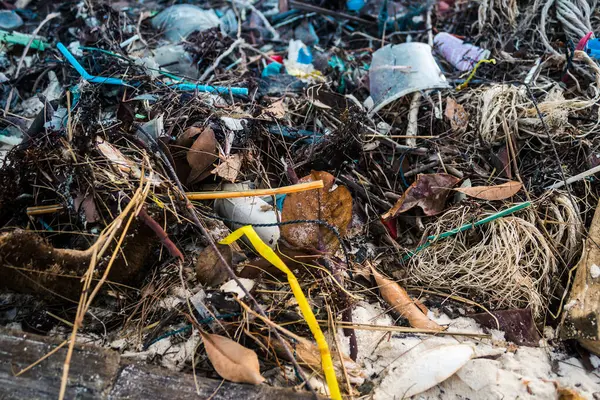
The Cargo Coastline project emerged as a direct response to the growing problem of marine debris. Auckland's location as a major port city means it's particularly vulnerable to the influx of discarded shipping materials, including containers lost at sea, fishing gear, and other forms of plastic waste. This debris not only poses a threat to marine life but also detracts from the natural beauty of the coastline.
The scale of the problem is significant. Studies estimate that millions of tons of plastic enter the ocean each year, much of it originating from land-based sources but also including lost or abandoned fishing gear and shipping containers. This debris can persist in the marine environment for decades, breaking down into smaller pieces that are ingested by marine animals, entangling wildlife, and polluting ecosystems. The Cargo Coastline project offers a tangible solution to this problem, demonstrating how waste can be transformed into something valuable and beautiful.
Beyond the aesthetic improvements, the project also serves as an educational tool, raising awareness about the impact of marine debris and inspiring individuals to take action to reduce their own waste footprint. By showcasing the creative potential of repurposed materials, the Cargo Coastline encourages a shift in perspective, viewing waste not as something to be discarded but as a resource to be utilized.
The Artists Behind the Transformation: Creativity Unleashed
The heart and soul of the Cargo Coastline project lie in the talented artists who dedicate their time and skills to transforming marine debris into art. These individuals come from diverse backgrounds, ranging from established sculptors and painters to emerging artists and community volunteers. What unites them is a passion for creativity and a commitment to environmental sustainability.
Many of the artists employ innovative techniques to work with the unique challenges posed by marine debris. They might use heat to mold plastic into new shapes, weld metal scraps into intricate sculptures, or weave discarded ropes into textured tapestries. The process often involves experimentation and collaboration, as artists share ideas and techniques to overcome the limitations of the materials they're working with.
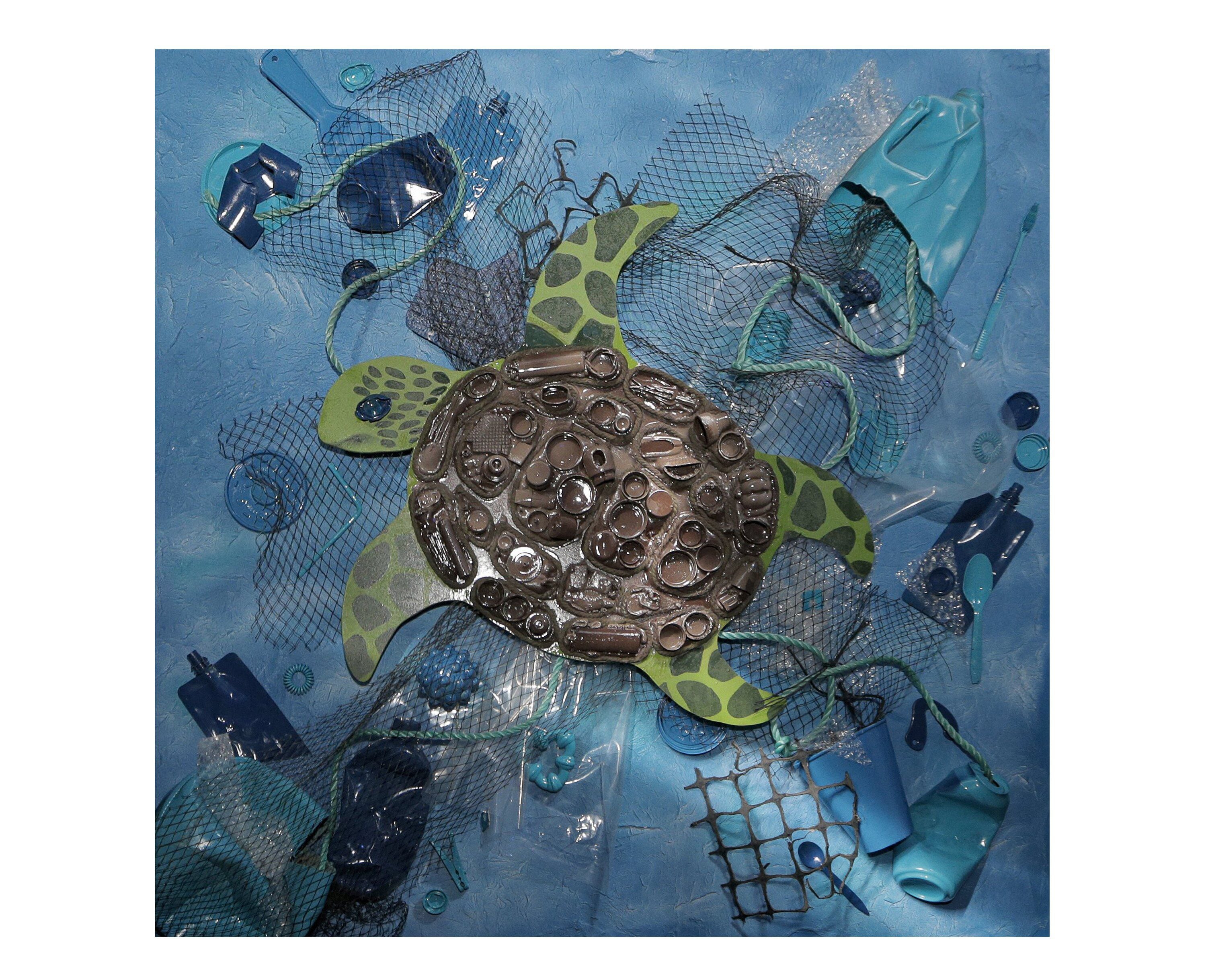
The artworks themselves are as diverse as the artists who create them. Some pieces are abstract and conceptual, inviting viewers to reflect on the themes of waste, consumption, and environmental responsibility. Others are more representational, depicting marine life, coastal landscapes, or scenes from Auckland's maritime history. Regardless of their style, all of the artworks share a common thread: they are a testament to the power of human creativity to transform the ordinary into the extraordinary.
Examples of Eco-Art Installations: A Visual Feast
The Cargo Coastline is home to a wide array of eco-art installations, each with its own unique story and message. Here are a few notable examples:
- The Buoy Garden: A collection of colorful buoys, salvaged from the harbor, are arranged in a whimsical garden setting. Each buoy is painted with vibrant designs, creating a playful and eye-catching display.
- The Container Mural: A series of shipping containers are transformed into a giant canvas, showcasing a mural depicting scenes of Auckland's coastal environment. The mural incorporates elements of traditional Māori art, celebrating the region's cultural heritage.
- The Rope Sculpture: A massive sculpture made entirely from discarded ropes and nets, resembling a giant sea creature. The sculpture is both visually stunning and thought-provoking, highlighting the impact of fishing gear on marine life.
These are just a few examples of the many eco-art installations that can be found along Auckland's Cargo Coastline. The project is constantly evolving, with new artworks being added regularly, ensuring that there's always something new to discover.
| Installation Name | Materials Used | Theme |
| Buoy Garden | Discarded buoys, paint | Playfulness, marine life |
| Container Mural | Shipping containers, paint | Coastal environment, Māori art |
| Rope Sculpture | Discarded ropes and nets | Marine life, fishing gear impact |

Community Engagement and Education: Spreading the Message
The Cargo Coastline project is not just about creating art; it's also about fostering community engagement and education. The project organizers regularly host workshops, tours, and events designed to raise awareness about marine debris and inspire individuals to take action. These activities provide opportunities for people of all ages to learn about the problem, connect with the artists, and contribute to the solution.
One popular initiative is the "Beach Cleanup and Art Workshop," where volunteers spend a morning collecting debris from the beach and then participate in a hands-on art workshop, learning how to transform the collected materials into sculptures, mosaics, and other creative projects. These workshops are a fun and engaging way to learn about the issue of marine debris and to develop new skills.
The project also partners with local schools and community groups to deliver educational programs on marine conservation and waste reduction. These programs aim to empower young people to become environmental stewards and to make informed choices about their consumption habits. By engaging the community in a meaningful way, the Cargo Coastline project is creating a ripple effect, inspiring positive change beyond the immediate vicinity of the coastline.

Visiting the Cargo Coastline: A Sustainable Tourism Experience
For visitors to Auckland, the Cargo Coastline offers a unique and sustainable tourism experience. It's a chance to explore the city's artistic side, learn about environmental issues, and support a community-driven initiative. The coastline is easily accessible by public transport, and there are several walking and cycling trails that allow visitors to explore the area at their own pace.
While visiting, be sure to check out the local cafes and restaurants that support the Cargo Coastline project by sourcing sustainable ingredients and reducing their own waste. Many of these establishments also display artworks created from marine debris, further showcasing the project's impact.
The Cargo Coastline is more than just a collection of art installations; it's a symbol of hope and resilience, demonstrating how communities can come together to address environmental challenges and create a more sustainable future. It's a must-see destination for anyone interested in art, the environment, or the power of human ingenuity.

Let's continue to find beauty and inspiration in the unexpected, transforming Auckland's past into a brighter, more sustainable future, together. Who said Auckland is boring? 😊
-JAFA
Comments
Post a Comment