Introduction: Digging into Auckland's Discards
Imagine archaeologists of the future sifting through the layers of our present. What stories will our discarded items tell them about life in Auckland? The concept of "future fossils" invites us to consider our waste as a potential archaeological record, offering insights into our consumption habits, technological advancements, and cultural values. In this post, we'll explore what these future fossils might look like in Auckland, and what they could reveal about our society to those who come after us.
Auckland, a vibrant and rapidly growing city, generates a significant amount of waste. From household rubbish to industrial byproducts, our discards accumulate daily. While much of this waste is managed through recycling programs and landfills, a portion inevitably becomes embedded in the landscape, transforming into potential artifacts for future researchers. These "future fossils" aren't just inert objects; they're time capsules, holding clues about our lives and the choices we make.
Thinking about our trash in this way encourages us to be more mindful of our consumption and disposal practices. It prompts us to consider the long-term impact of our actions and the legacy we leave behind. By understanding the potential archaeological significance of our waste, we can strive to create a more sustainable and responsible future for Auckland.
The Layers of Auckland: A Strata of Stuff
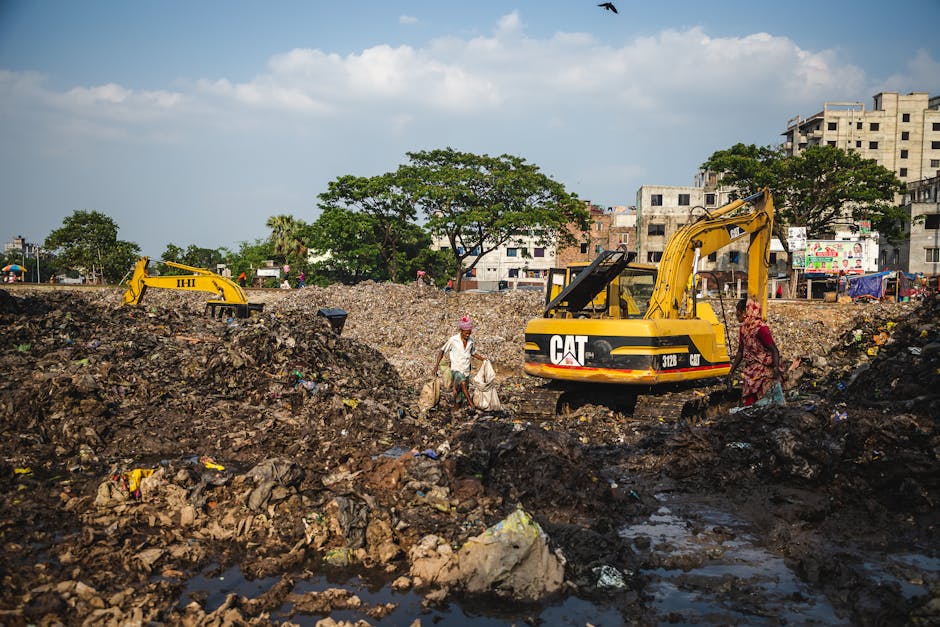
Auckland's geological and urban landscape is a complex tapestry, with layers of history buried beneath the surface. Just as geologists study rock formations to understand the Earth's past, future archaeologists will examine the strata of our landfills and urban environments to decipher our present. These layers will contain a diverse range of materials, each offering a unique perspective on Auckland's society.
Consider the composition of a typical Auckland household's waste stream. Plastic packaging, electronic devices, food scraps, and clothing remnants all contribute to the mix. The types and quantities of these materials can reveal patterns of consumption, dietary habits, and technological adoption. For example, a high concentration of single-use plastics might indicate a reliance on convenience foods and a lack of effective recycling infrastructure. Similarly, the presence of outdated smartphones and computers could reflect the rapid pace of technological change and the challenges of e-waste management.
Furthermore, the spatial distribution of waste across Auckland can provide insights into socioeconomic disparities and urban development patterns. Affluent neighborhoods might generate different types of waste compared to lower-income areas, reflecting variations in consumption patterns and access to resources. The location of landfills and industrial sites can also reveal historical land use practices and environmental impacts.

Technological Time Capsules: Gadgets and Gizmos
Our discarded electronic devices, or e-waste, are particularly rich sources of information for future archaeologists. Smartphones, computers, and other gadgets contain a wealth of data about our communication habits, entertainment preferences, and technological capabilities. These devices can be seen as technological time capsules, preserving a snapshot of our digital lives.
Analyzing the hardware and software of these devices can reveal the evolution of technology over time. Future researchers might be able to trace the development of mobile communication, the rise of social media, and the increasing sophistication of artificial intelligence. They could also gain insights into the manufacturing processes, material sourcing, and global supply chains that underpin our technological infrastructure.
However, e-waste also presents significant challenges. The materials used in electronic devices often contain hazardous substances, such as lead, mercury, and cadmium. If not properly managed, these substances can leach into the environment, posing risks to human health and ecosystems. The presence of e-waste in Auckland's future fossil record will serve as a reminder of the environmental consequences of our technological dependence.

Plastic Legacies: The Enduring Polymers
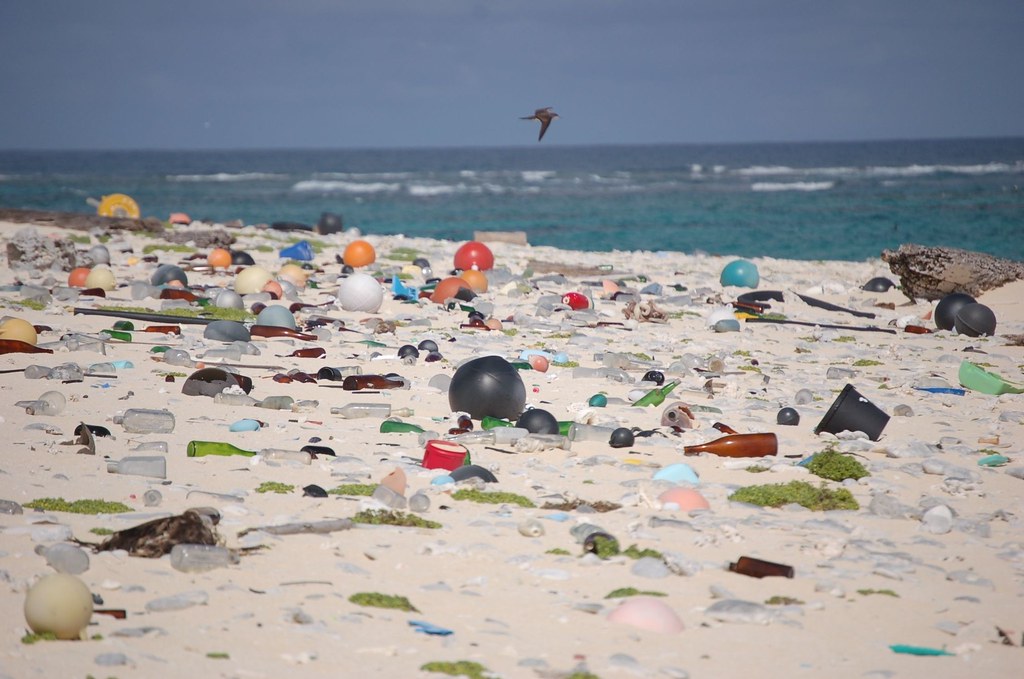
Plastic, a ubiquitous material in modern life, is also one of the most persistent forms of waste. Its durability and resistance to degradation mean that plastic items can persist in the environment for hundreds, if not thousands, of years. As a result, plastic waste is likely to be a prominent feature of Auckland's future fossil record.
The types of plastic found in our waste stream can reveal a great deal about our consumption habits and packaging practices. Single-use plastic bags, bottles, and food containers are particularly problematic, as they contribute significantly to pollution and resource depletion. The presence of these items in the archaeological record will serve as a stark reminder of our reliance on disposable products and the need for more sustainable alternatives.
Microplastics, tiny fragments of plastic that result from the breakdown of larger items, are also a growing concern. These particles can contaminate soil, water, and air, and can be ingested by wildlife, potentially entering the food chain. The presence of microplastics in Auckland's future fossil record will highlight the pervasive nature of plastic pollution and the challenges of mitigating its impacts.
Foodprints: What We Ate and Wasted
Food waste is another significant component of Auckland's waste stream. Discarded food scraps, packaging, and leftovers can provide valuable insights into our dietary habits, food production systems, and waste management practices. The types and quantities of food waste can reveal patterns of consumption, cultural preferences, and socioeconomic disparities.
Analyzing food waste can also shed light on the environmental impacts of our food system. The production, transportation, and processing of food consume significant amounts of energy and resources, and generate greenhouse gas emissions. Food waste that ends up in landfills decomposes and releases methane, a potent greenhouse gas that contributes to climate change. The presence of food waste in Auckland's future fossil record will underscore the need for more sustainable food systems and waste management practices.
Composting and anaerobic digestion are two strategies for reducing food waste and recovering valuable resources. Composting involves breaking down organic matter into a nutrient-rich soil amendment, while anaerobic digestion uses microorganisms to convert organic waste into biogas, a renewable energy source. By implementing these strategies, Auckland can reduce its reliance on landfills and create a more circular food system.

Buildings and Infrastructure: The Urban Skeleton
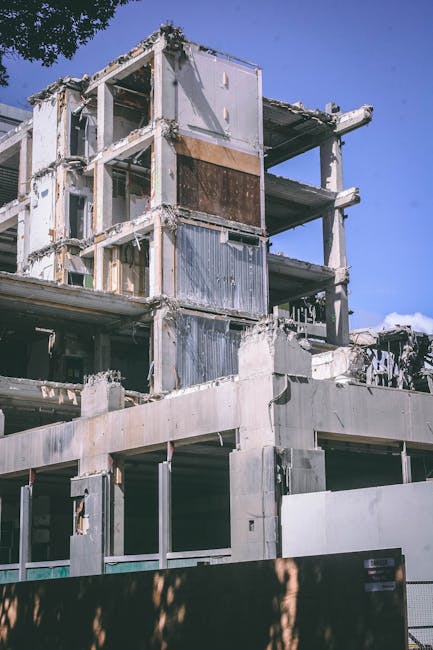
Beyond household waste, the remnants of Auckland's buildings and infrastructure will also contribute to the future fossil record. Demolished buildings, roads, and bridges leave behind a legacy of concrete, steel, and other materials that can persist for centuries. These materials can provide insights into our construction practices, urban planning strategies, and technological capabilities.
The types of materials used in construction can reveal the evolution of building technology over time. For example, the presence of asbestos in older buildings will serve as a reminder of the health risks associated with certain building materials. The use of sustainable building materials, such as timber and recycled concrete, will reflect a growing awareness of environmental concerns.
The layout and design of Auckland's urban infrastructure can also provide insights into our social and economic priorities. The presence of highways and parking lots can indicate a reliance on private vehicles, while the development of public transportation systems and pedestrian-friendly streets can reflect a commitment to sustainability and accessibility.
Looking Ahead: Shaping Auckland's Archaeological Future
By considering our waste as potential future fossils, we can gain a new perspective on our consumption habits and their long-term impacts. This perspective can inform our efforts to create a more sustainable and responsible future for Auckland. By reducing waste, recycling materials, and adopting more sustainable practices, we can shape the archaeological record that we leave behind.
Here are some steps that Aucklanders can take to minimize their contribution to the future fossil record:
- Reduce consumption: Buy less stuff, and choose products with minimal packaging.
- Recycle properly: Familiarize yourself with Auckland's recycling guidelines and ensure that you are sorting your waste correctly. You can find more information on the Auckland Council website.
- Compost food waste: Set up a compost bin in your backyard or participate in a community composting program.
- Choose reusable alternatives: Replace single-use items with reusable alternatives, such as water bottles, shopping bags, and coffee cups.
- Support sustainable businesses: Patronize businesses that prioritize sustainability and responsible waste management practices.
Ultimately, the future fossil record of Auckland will reflect the choices we make today. By embracing sustainability and reducing our waste footprint, we can ensure that future archaeologists will find evidence of a society that valued its environment and its future.
| Action | Benefit |
|---|---|
| Reduce Consumption | Less waste entering landfills, conserves resources, reduces pollution from manufacturing. |
| Recycle Properly | Materials are reused, reducing the need for new raw materials and energy consumption. |
| Compost Food Waste | Reduces methane emissions from landfills, creates nutrient-rich soil amendment. |
| Choose Reusable Alternatives | Decreases demand for single-use plastics and other disposable items. |
| Support Sustainable Businesses | Encourages responsible practices and innovation in waste management and resource conservation. |

Let's strive to leave behind a legacy of mindful choices, not mountains of mystery for those who come after us. Who said Auckland is boring? 😊
-JAFA
Comments
Post a Comment