Edible Auckland: A Delicious Architectural Adventure
Auckland, New Zealand, is known for its stunning architecture and vibrant culinary scene. But what happens when these two worlds collide? The answer is a delightful and delicious trend: recreating iconic Auckland buildings using gingerbread and other edible mediums. This isn't just about baking; it's about artistry, precision, and a whole lot of creativity. From the Sky Tower to the Auckland War Memorial Museum, talented bakers and artists are transforming the city's landmarks into edible masterpieces.
This blog post will explore the fascinating world of edible Auckland, showcasing some of the most impressive gingerbread (and other delicious) creations. We'll delve into the techniques, the challenges, and the sheer joy of bringing these architectural wonders to life in a way that's both visually stunning and incredibly tasty.

The Rise of Edible Architecture
The concept of edible architecture isn't new. Gingerbread houses have been a Christmas tradition for centuries, but the scale and complexity of these Auckland creations take things to a whole new level. What started as a fun holiday activity has evolved into a serious art form, with bakers and artists pushing the boundaries of what's possible with sugar, flour, and a little bit of imagination.
Several factors have contributed to the rise of edible architecture in Auckland. The city's strong baking culture, combined with a growing appreciation for artistic expression, has created a fertile ground for this unique trend. Social media has also played a significant role, allowing bakers to showcase their creations to a wider audience and inspiring others to try their hand at edible construction.

Iconic Auckland Buildings Reimagined
So, which Auckland buildings have been given the edible treatment? Here are a few notable examples:
- The Sky Tower: Perhaps the most recognizable landmark in Auckland, the Sky Tower has been recreated in gingerbread multiple times, often featuring intricate details and impressive height.
- Auckland War Memorial Museum: This grand building, with its neoclassical architecture, presents a unique challenge for bakers. The results, however, are often stunning, capturing the museum's imposing presence in edible form. You can find the museum here: Auckland War Memorial Museum
- Auckland Harbour Bridge: An engineering marvel, the Auckland Harbour Bridge has been recreated using various edible materials, including gingerbread, chocolate, and even pasta.
- Local Cafés and Shops: Beyond the major landmarks, many local cafés and shops have also been immortalized in gingerbread, adding a personal touch to the edible Auckland landscape.

The Art and Science of Edible Construction
Creating these edible masterpieces is no easy feat. It requires a combination of artistic skill, engineering know-how, and a deep understanding of baking techniques. Here are some of the key challenges and considerations:
- Structural Integrity: Ensuring that the edible structure can stand on its own is crucial. This often involves using sturdy gingerbread recipes, internal supports made of chocolate or fondant, and careful planning of the building's design.
- Accurate Proportions: Replicating the proportions of the original building is essential for creating a realistic representation. Bakers often use photographs and architectural plans as references.
- Intricate Details: Adding intricate details, such as windows, doors, and decorative elements, requires patience, precision, and a steady hand. Piping icing, cutting gingerbread shapes, and sculpting fondant are common techniques.
- Edible Materials: Choosing the right edible materials is important for both aesthetics and taste. Gingerbread is a popular choice for its structural properties, while chocolate, fondant, and icing are used for decoration.

Beyond Gingerbread: Other Edible Mediums
While gingerbread is the most common medium for edible architecture, it's not the only option. Talented artists are also using other delicious materials to recreate Auckland buildings, including:
- Chocolate: Chocolate offers a rich, decadent flavor and can be easily molded into various shapes.
- Fondant: Fondant is a pliable sugar paste that can be rolled out, cut, and sculpted to create intricate details.
- Pasta: Believe it or not, pasta can be used to create surprisingly sturdy and detailed edible structures.
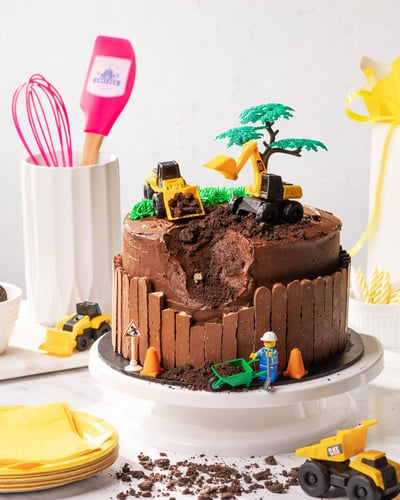
- Cake: Cake provides a soft and delicious base for edible buildings, often combined with fondant and icing for decoration.
Where to Find Edible Auckland
If you're eager to see these edible creations for yourself, here are a few places to start:
- Local Bakeries and Cafés: Many bakeries and cafés in Auckland showcase edible architecture during the holiday season or for special events.
- Food Festivals and Competitions: Keep an eye out for food festivals and baking competitions, where you're likely to find impressive edible creations on display.
- Online Galleries: Social media platforms like Instagram and Pinterest are great sources for finding photos of edible Auckland buildings. Search for hashtags like #edibleauckland, #gingerbreadhouse, and #aucklandfood.
Consider visiting the Auckland Central area, where many of these culinary creations can be found.

A Sweet Conclusion
Edible Auckland is more than just a trend; it's a celebration of creativity, craftsmanship, and the city's unique architectural landscape. Whether you're a seasoned baker or simply an admirer of edible art, there's something truly magical about seeing iconic buildings transformed into delicious masterpieces. So, the next time you're in Auckland, be sure to keep an eye out for these sweet creations – you might just discover a whole new way to appreciate the city's beauty.
And who knows, maybe you'll even be inspired to try your hand at edible architecture yourself! With a little practice and a lot of imagination, you can create your own edible masterpiece and contribute to the delicious landscape of Auckland.

So, go on, Auckland foodies, let your imaginations (and ovens!) run wild and build something delicious! Who said Auckland is boring? 😊
-JAFA
Comments
Post a Comment