Unveiling Goat Island's Acoustic Secrets
Goat Island, officially known as Cape Rodney-Okakari Point Marine Reserve, is a protected marine area located in New Zealand. Renowned for its crystal-clear waters and vibrant marine life, it's a haven for snorkelers and divers alike. But beneath the surface lies another world, one filled with sound. Bioacoustic snorkeling offers a unique way to experience this underwater soundscape, revealing the hidden voices of the marine reserve [i].
Traditional snorkeling focuses primarily on visual observation. Bioacoustic snorkeling, however, adds an auditory dimension, allowing you to listen to the sounds produced by marine organisms. This innovative approach provides a deeper understanding of the marine ecosystem and the complex interactions within it [i].
Imagine gliding through the water, not only seeing colorful fish and coral but also hearing the clicks, grunts, and whistles that make up the underwater soundscape. This is the essence of bioacoustic snorkeling, a truly immersive and enriching experience [i].
What is Bioacoustic Snorkeling?
Bioacoustic snorkeling combines traditional snorkeling with hydrophones, underwater microphones that capture sound. These hydrophones are connected to headphones, allowing snorkelers to listen to the ambient sounds of the marine environment in real-time [i].
The equipment is relatively simple to use. A hydrophone is typically attached to a small buoy or float, which is then tethered to the snorkeler. The hydrophone picks up the underwater sounds, which are transmitted through a cable to a preamplifier and then to the headphones. Some systems even incorporate recording devices, allowing snorkelers to capture the sounds they hear for later analysis [i].
This technology opens up a whole new world of possibilities for understanding marine life. By listening to the sounds of the ocean, researchers and citizen scientists can gain insights into the behavior, communication, and distribution of marine animals [i].

The Symphony of Sounds at Goat Island
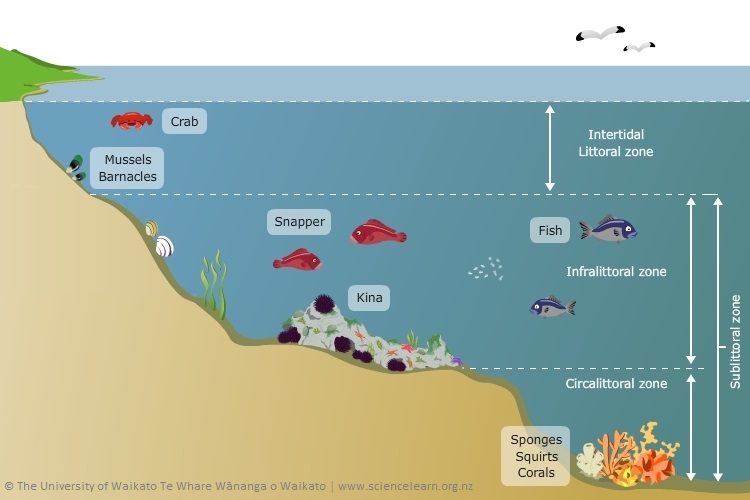
Goat Island Marine Reserve is teeming with marine life, each species contributing to the overall soundscape. Fish, crustaceans, and marine mammals all produce distinct sounds that can be identified and analyzed [i].
For example, snapper, a common fish species in the reserve, produce a characteristic drumming sound. Snapping shrimp create a loud clicking noise by snapping their claws together, a sound that can be heard from several meters away. Even the movement of water and the breaking of waves contribute to the overall acoustic environment [i].
By listening to these sounds, researchers can monitor the health and biodiversity of the marine reserve. Changes in the soundscape can indicate shifts in species populations, habitat degradation, or the presence of invasive species [i].
Benefits of Bioacoustic Snorkeling
Bioacoustic snorkeling offers numerous benefits, both for scientific research and for public education. It provides a non-invasive way to study marine life, without disturbing the animals or their habitat [i].
- Enhanced Understanding: It allows researchers to gain a deeper understanding of marine ecosystems and the complex interactions within them [i].
- Monitoring: It provides a valuable tool for monitoring the health and biodiversity of marine reserves [i].
- Education: It offers a unique and engaging way to educate the public about the importance of marine conservation [i].
- Accessibility: It is a relatively accessible and affordable technology, making it possible for citizen scientists to participate in marine research [i].
Furthermore, bioacoustic snorkeling can enhance the snorkeling experience, making it more immersive and educational. It allows snorkelers to connect with the marine environment on a deeper level, fostering a greater appreciation for the ocean and its inhabitants [i].

Getting Started with Bioacoustic Snorkeling
If you're interested in trying bioacoustic snorkeling, there are a few things you'll need to consider. First, you'll need to acquire the necessary equipment, including a hydrophone, preamplifier, and headphones. Several companies specialize in manufacturing and selling bioacoustic equipment [i].
Here's a basic equipment overview:
| Equipment | Description |
|---|---|
| Hydrophone | Underwater microphone that captures sound. |
| Preamplifier | Amplifies the signal from the hydrophone. |
| Headphones | Allows you to listen to the underwater sounds. |
| Buoy/Float | Keeps the hydrophone at the desired depth. |
It's also important to choose a suitable location for bioacoustic snorkeling. Goat Island Marine Reserve is an excellent choice, but other marine reserves and protected areas may also be suitable. Be sure to check local regulations and guidelines before entering the water [i].
Finally, it's essential to practice responsible snorkeling techniques. Avoid touching or disturbing marine life, and be mindful of your impact on the environment. By following these guidelines, you can help protect the delicate ecosystem of Goat Island Marine Reserve and ensure that it remains a vibrant and healthy place for generations to come [i].

The Future of Underwater Sound Exploration
Bioacoustic snorkeling is a rapidly evolving field, with new technologies and techniques constantly being developed. As technology advances, we can expect to see even more sophisticated bioacoustic snorkeling systems that are easier to use and provide more detailed information about the underwater soundscape [i].
One exciting development is the use of artificial intelligence (AI) to analyze underwater sounds. AI algorithms can be trained to identify different species based on their vocalizations, allowing researchers to monitor marine populations automatically. This technology has the potential to revolutionize marine conservation efforts [i].
Bioacoustic snorkeling is not just a scientific tool; it's also a way to connect with the ocean on a deeper level. By listening to the hidden voices of the marine environment, we can gain a greater appreciation for the beauty and complexity of the underwater world. So, the next time you visit Goat Island Marine Reserve, consider trying bioacoustic snorkeling and discover the symphony of sounds that lies beneath the surface [i].

So, dive in and discover the magic for yourself – Goat Island's underwater symphony awaits! Who said Auckland is boring? 😊
-JAFA
Comments
Post a Comment