Auckland's Buzz: Sustainable Honey Harvesting
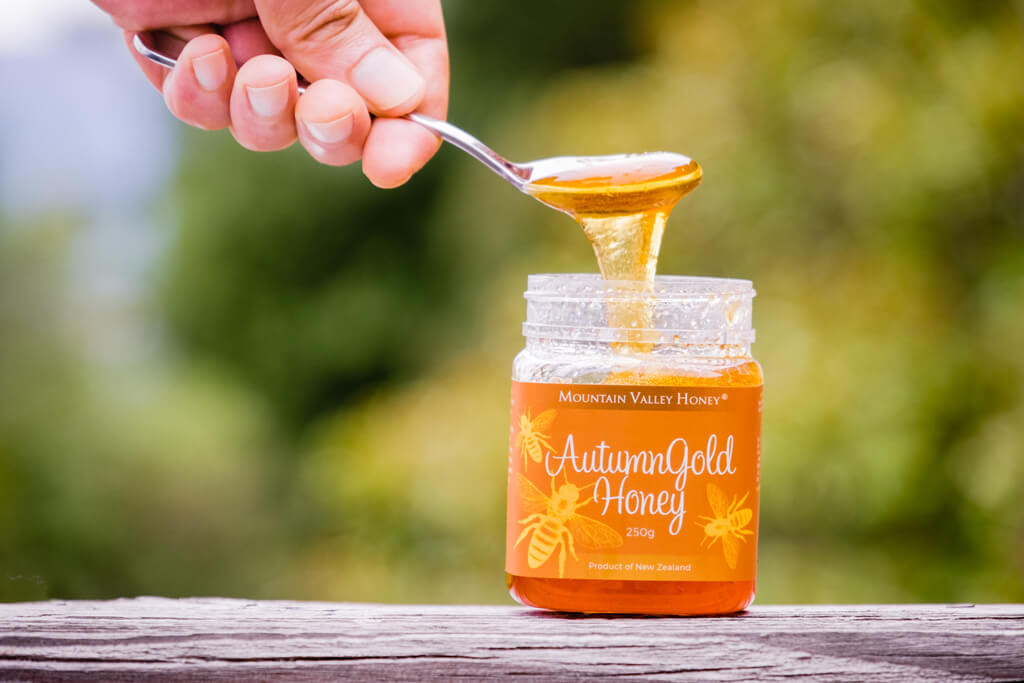
Auckland, New Zealand, with its lush landscapes and thriving urban gardens, provides a unique environment for beekeeping. Sustainable honey harvesting is gaining popularity, focusing on ethical practices that prioritize the health and well-being of the bee colonies. This approach ensures the long-term viability of bee populations, which are crucial for pollination and the overall ecosystem. Local beekeepers are increasingly adopting methods that minimize disturbance to the hives, such as leaving ample honey stores for the bees to feed on during the winter months and using gentle handling techniques.
Many Auckland beekeepers are also committed to using organic and natural treatments for common bee ailments, avoiding harsh chemicals that can harm the bees and contaminate the honey. They often work closely with local communities, educating them about the importance of bees and promoting bee-friendly gardening practices. This collaborative approach fosters a greater appreciation for these vital pollinators and encourages more people to get involved in supporting their survival.
You can often find locally sourced, sustainably harvested honey at farmers' markets and specialty food stores throughout Auckland. Look for certifications or labels that indicate ethical and sustainable practices. Supporting these local beekeepers helps to ensure the continued health and prosperity of Auckland's bee populations.

Understanding Manuka and Other Auckland Honeys
While Manuka honey is perhaps New Zealand's most famous honey, Auckland produces a diverse range of other delicious and beneficial honeys. Manuka honey is derived from the nectar of the Manuka tree (Leptospermum scoparium) and is known for its unique antibacterial properties, attributed to its high concentration of methylglyoxal (MGO). You can learn more about Manuka honey on Wikipedia.
However, Auckland's diverse flora also contributes to a variety of other honeys with distinct flavors and characteristics. Clover honey, for example, is light and delicate, while Rewarewa honey has a rich, caramel-like flavor. Native bush honeys offer a complex blend of floral notes, reflecting the diverse ecosystem of the Auckland region. Each type of honey offers a unique taste of Auckland's natural environment.
When choosing honey, consider its intended use. Manuka honey is often used for its medicinal properties, while other honeys are perfect for everyday use in cooking, baking, or simply enjoying on toast. Exploring the different varieties of Auckland honey is a delicious way to support local beekeepers and discover the unique flavors of the region.
The Basics of Mead-Making: A Honey-Sweetened Adventure
Mead, often called honey wine, is one of the oldest alcoholic beverages known to humankind. Making mead at home is a rewarding and relatively simple process, allowing you to create a unique and delicious drink using locally sourced honey. The basic ingredients for mead are honey, water, and yeast. You can also add fruits, spices, and herbs to customize the flavor to your liking.
The process begins with creating a must, which is a mixture of honey and water. The ratio of honey to water will determine the sweetness and alcohol content of the final product. Once the must is prepared, yeast is added to ferment the sugars in the honey into alcohol. This fermentation process typically takes several weeks or even months, depending on the type of yeast used and the temperature of the environment.
Patience is key when making mead. After fermentation is complete, the mead needs to be aged to allow the flavors to mellow and develop. This aging process can take several months or even years, depending on the desired complexity of the mead. With a little practice and experimentation, you can create a wide variety of delicious and unique meads at home.
Essential Equipment for Your Home Meadery
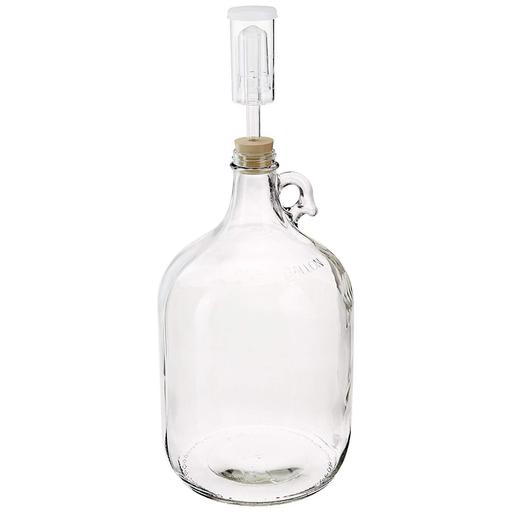
To embark on your mead-making journey, you'll need a few essential pieces of equipment. A glass carboy, typically ranging in size from one to five gallons, is used for fermentation. An airlock is essential to allow carbon dioxide to escape while preventing air from entering, which could spoil the mead. A hydrometer is used to measure the specific gravity of the must, which helps to track the fermentation process and determine the alcohol content of the finished mead.
You'll also need a sanitized spoon or paddle for stirring the must, as well as bottles and corks for storing the finished mead. A siphon is helpful for transferring the mead from the carboy to the bottles without disturbing the sediment. While you can purchase specialized mead-making kits, you can also assemble your own equipment from home brewing supply stores or online retailers.
Sanitation is crucial in mead-making to prevent unwanted bacteria or wild yeasts from contaminating the mead. Be sure to thoroughly clean and sanitize all equipment before each use. Using a food-grade sanitizer, such as Star San, is highly recommended.

A Simple Mead Recipe to Get You Started
Here's a basic mead recipe to get you started on your mead-making adventure:
- Ingredients:
- 3 lbs of Auckland honey (Manuka or other local variety)
- 1 gallon of water (filtered or spring water)
- 1 packet of mead yeast (such as Lalvin D47 or Wyeast 4184)
- Optional: Yeast nutrient
Instructions:
- Sanitize all equipment thoroughly.
- Heat a small amount of water (about 1 cup) and dissolve the honey in it.
- Pour the honey mixture into the sanitized carboy.
- Add the remaining water to the carboy, leaving a few inches of headspace.
- If using, add yeast nutrient according to the package instructions.
- Pitch the yeast into the carboy.
- Attach the airlock to the carboy.
- Place the carboy in a cool, dark place (around 65-70°F or 18-21°C) for fermentation.
- Allow the mead to ferment for several weeks or months, until fermentation slows or stops.
- Once fermentation is complete, siphon the mead into bottles, leaving a small amount of sediment behind.
- Cork the bottles and age the mead for several months or years to allow the flavors to mellow and develop.
This is a basic recipe, and you can experiment with different types of honey, fruits, spices, and herbs to create your own unique mead variations. Remember to always prioritize sanitation and patience for the best results.

Adding Flavor: Fruits, Spices, and Herbs in Mead-Making
One of the most exciting aspects of mead-making is the ability to customize the flavor with fruits, spices, and herbs. Fruits can be added to the must before fermentation or during secondary fermentation to impart their flavor and aroma to the mead. Popular fruit additions include berries, apples, cherries, and stone fruits.
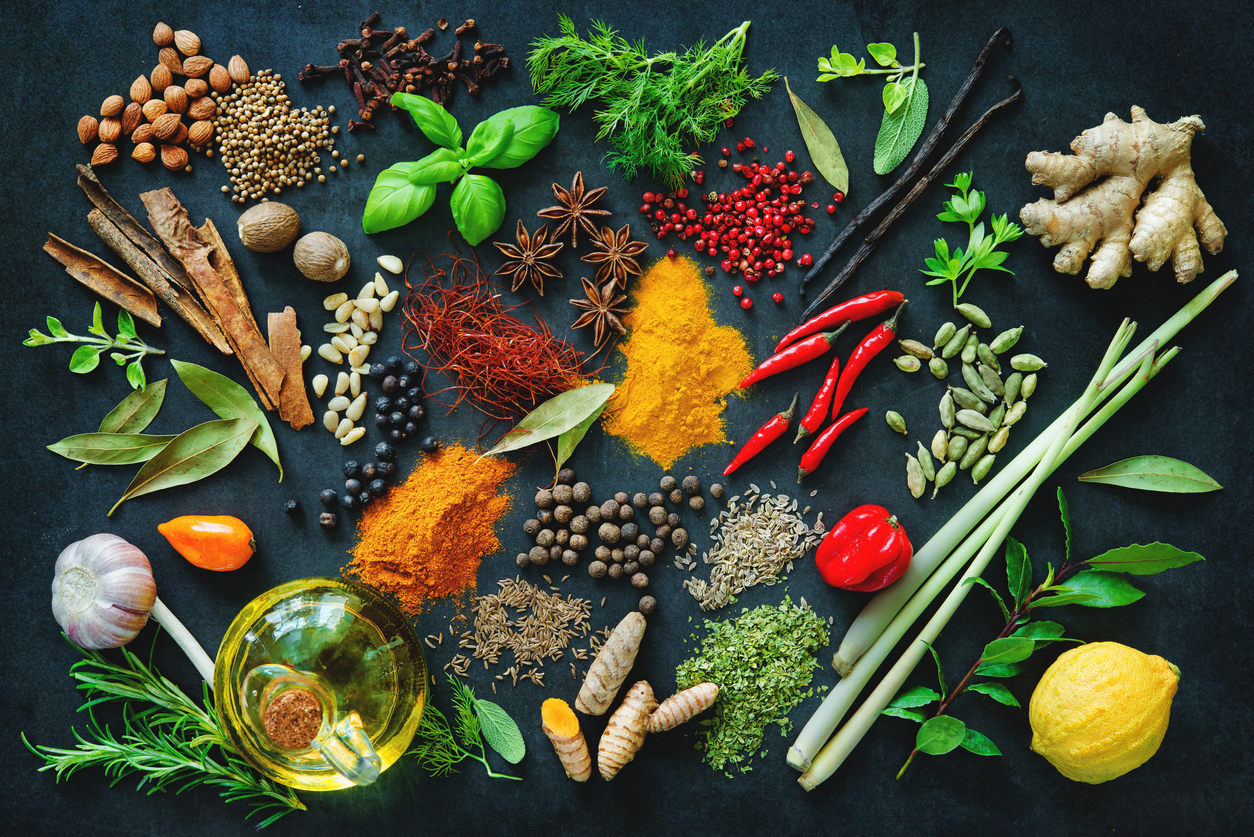
Spices and herbs can also be added to the must or during secondary fermentation to create complex and interesting flavor profiles. Common spice additions include cinnamon, cloves, nutmeg, and ginger. Herbs such as lavender, rosemary, and thyme can also add unique and subtle flavors to the mead.
When adding fruits, spices, or herbs, it's important to use high-quality ingredients and to sanitize them properly to prevent contamination. Start with small amounts and taste the mead regularly to ensure that the flavors are balanced and not overpowering. Experimentation is key to discovering your favorite flavor combinations.
Where to Find Local Honey and Mead-Making Supplies in Auckland
Auckland offers a variety of options for sourcing local honey and mead-making supplies. Farmers' markets, such as the Auckland Farmers Market, are a great place to find locally sourced honey directly from beekeepers. Specialty food stores and health food stores often carry a selection of local honeys as well.
For mead-making supplies, home brewing supply stores are your best bet. These stores typically carry a wide range of equipment, including carboys, airlocks, hydrometers, yeast, and sanitizers. Some online retailers also specialize in mead-making supplies and offer convenient shipping options.
Supporting local businesses is a great way to contribute to the Auckland community and ensure the continued availability of high-quality honey and mead-making supplies. By sourcing your ingredients and equipment locally, you can create a truly unique and sustainable mead-making experience.

So, embrace the buzz and create something delicious and sustainable, straight from nature's pantry to your own! Who said Auckland is boring? 😊
-JAFA
Comments
Post a Comment