Auckland's Puddle Photography: Unveiling Miniature Worlds
Auckland, New Zealand, often experiences its fair share of rain. While many might see this as a reason to stay indoors, it presents a unique opportunity for photographers: the chance to capture stunning macro images of miniature worlds reflected in puddles. This guide will explore how to find these hidden gems and transform ordinary rain into extraordinary art.
Puddle photography offers a fresh perspective, turning mundane urban landscapes into captivating reflections. The key is to look beyond the surface and see the potential for abstract art and miniature scenes within these temporary pools. With the right techniques and a keen eye, you can create breathtaking images that showcase Auckland's beauty in a whole new light.
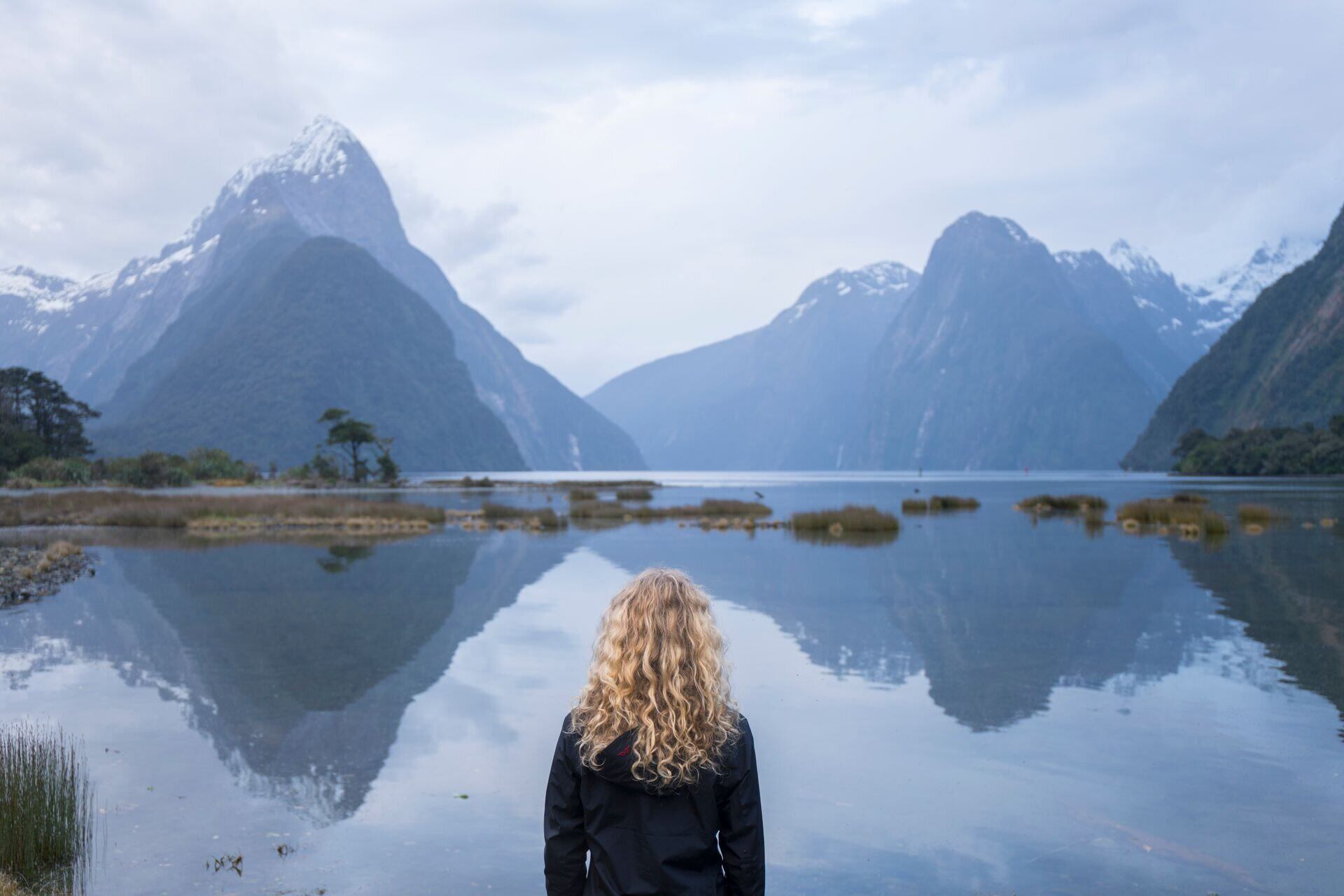
Gear Up: Essential Equipment for Puddle Portraits
Before venturing out into the rain-soaked streets of Auckland, it's essential to have the right equipment. While professional gear can enhance your results, you can achieve stunning puddle portraits with a basic setup. Here's a breakdown of the essential equipment:
- Camera: A DSLR or mirrorless camera offers the most control over settings, but even a smartphone with a good camera can produce impressive results.
- Lens: A macro lens is ideal for capturing intricate details, but a zoom lens with macro capabilities can also work well. Consider a focal length of at least 50mm for good results.
- Tripod: A tripod is crucial for stability, especially in low-light conditions. It allows you to use slower shutter speeds without introducing camera shake.
- Polarizing Filter: This filter reduces glare and reflections on the water's surface, enhancing the colors and details in your images.
- Rain Gear: Protect yourself and your equipment from the rain with a waterproof jacket, umbrella, and camera rain cover.
- Cleaning Supplies: A microfiber cloth and lens cleaner are essential for keeping your lens clean and free of water droplets.
Consider using apps like HyperFocal Pro to calculate hyperfocal distance for sharper images.

Finding the Perfect Puddle in Auckland
Not all puddles are created equal. The best puddle portraits come from puddles that offer interesting reflections and surroundings. Here's what to look for when scouting locations in Auckland:
- Location: Look for puddles in areas with interesting architecture, colorful buildings, or natural elements like trees and flowers. Popular spots in Auckland include the Viaduct Harbour, Auckland Domain, and the streets of Ponsonby.
- Surface: Choose puddles with a relatively smooth surface to minimize distortion and maximize reflection quality.
- Depth: Shallow puddles are generally better for capturing reflections, as deeper puddles can appear dark and murky.
- Lighting: Overcast days are ideal for puddle photography, as the soft, diffused light reduces harsh shadows and glare. However, you can also capture stunning images during golden hour (the hour after sunrise and the hour before sunset) when the light is warm and golden.
Remember to be mindful of your surroundings and avoid trespassing on private property. Respect the environment and leave the area as you found it.

Mastering Macro Photography Techniques
Macro photography requires a different approach than traditional photography. Here are some key techniques to master for capturing stunning puddle portraits:
- Focus: Achieving sharp focus is crucial in macro photography. Use manual focus and focus peaking (if your camera has it) to ensure your subject is tack sharp.
- Aperture: Experiment with different apertures to control the depth of field. A wider aperture (e.g., f/2.8 or f/4) will create a shallow depth of field, blurring the background and emphasizing the subject. A narrower aperture (e.g., f/8 or f/11) will increase the depth of field, keeping more of the scene in focus.
- Shutter Speed: Use a shutter speed that is fast enough to prevent camera shake, especially when shooting handheld. A good starting point is 1/100th of a second, but you may need to increase it depending on your lens and shooting conditions.
- ISO: Keep your ISO as low as possible to minimize noise. However, you may need to increase it in low-light conditions.
- Composition: Pay attention to composition to create visually appealing images. Use the rule of thirds, leading lines, and other compositional techniques to guide the viewer's eye.
Consider using apps like PhotoPills to plan your shots and calculate depth of field.
| Setting | Description |
|---|---|
| Aperture | f/2.8 - f/11 (Experiment to control depth of field) |
| Shutter Speed | 1/100s or faster (To prevent camera shake) |
| ISO | As low as possible (To minimize noise) |
| Focus | Manual Focus (For precise control) |

Creative Techniques for Unique Puddle Portraits
Once you've mastered the basics, it's time to get creative and experiment with different techniques to create unique and eye-catching puddle portraits. Here are a few ideas to get you started:
- Abstract Reflections: Focus on capturing abstract patterns and shapes in the reflections. Experiment with different angles and perspectives to create surreal and dreamlike images.
- Miniature Worlds: Use small objects like toys, figurines, or flowers to create miniature scenes within the puddles. This can add a sense of whimsy and storytelling to your images.
- Color and Light: Pay attention to the colors and light in your scene. Use a polarizing filter to enhance the colors and reduce glare. Experiment with different white balance settings to create different moods.
- Water Droplets: Capture the beauty of individual water droplets on leaves, flowers, or other surfaces. These tiny droplets can act as miniature lenses, reflecting the surrounding world in fascinating ways.
- Post-Processing: Use photo editing software like Adobe Photoshop or Adobe Lightroom to enhance your images. Adjust the exposure, contrast, and colors to bring out the best in your puddle portraits.
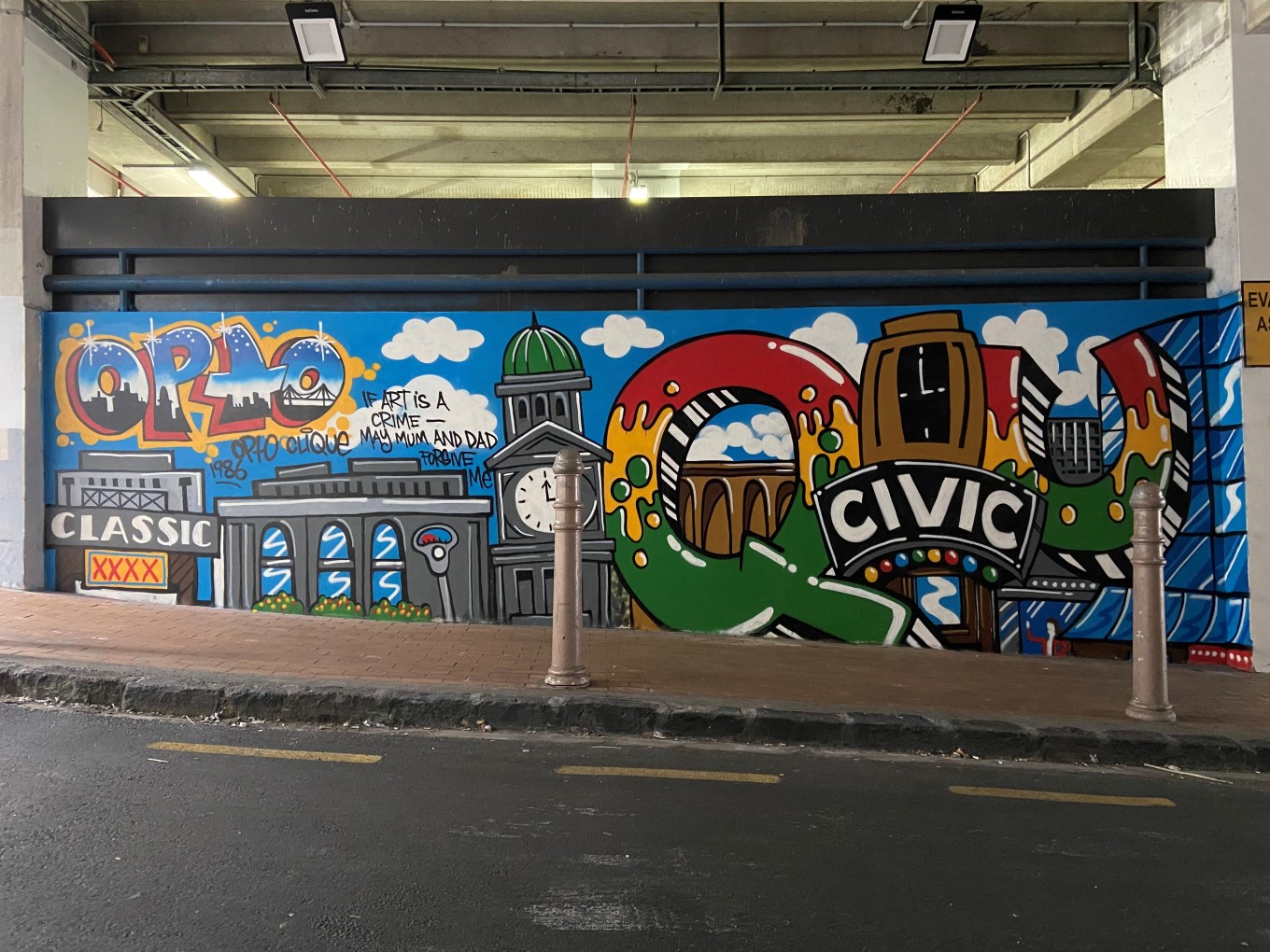
Sharing Your Auckland Puddle Portraits
After capturing your stunning puddle portraits, it's time to share them with the world! Here are some tips for showcasing your work and connecting with other photographers:
- Social Media: Share your images on social media platforms like Instagram, Facebook, and Twitter. Use relevant hashtags like #AucklandPhotography, #PuddlePhotography, #MacroPhotography, and #NewZealand to reach a wider audience.
- Online Galleries: Upload your images to online galleries like Flickr, 500px, and SmugMug. These platforms offer a great way to showcase your work and get feedback from other photographers.
- Photography Communities: Join online photography communities and forums to connect with other photographers, share your work, and learn new techniques.
- Local Exhibitions: Consider submitting your images to local photography exhibitions and competitions. This can be a great way to gain exposure and recognition for your work.
- Prints and Products: Offer prints and other products featuring your puddle portraits on websites like Etsy or Redbubble. This can be a great way to monetize your photography and share your art with others.
Remember to always credit your work and respect the copyright of others. By sharing your puddle portraits, you can inspire others to see the beauty in the everyday and appreciate the hidden wonders of Auckland.

So grab your camera after the next Auckland shower and discover the magic waiting in those tiny, reflective worlds! Who said Auckland is boring? 😊
-JAFA
Comments
Post a Comment