Auckland's Silent Spring: The Insect Crisis Unveiled
Auckland, New Zealand, a city renowned for its stunning natural beauty, faces a growing ecological crisis: a dramatic decline in insect populations. This 'insect apocalypse,' as some are calling it, isn't just about fewer buzzing sounds on a summer evening; it's a threat to the entire ecosystem, with potentially devastating consequences for the city's biodiversity, agriculture, and overall health. The disappearance of insects, the unsung heroes of our environment, is a problem we can no longer ignore [i].
But what's causing this decline? A complex interplay of factors is at play, including habitat loss due to urban sprawl, the widespread use of pesticides, climate change, and the introduction of invasive species. Each of these elements contributes to the pressure on insect populations, creating a perfect storm that threatens their survival [i].
The good news is that awareness is growing, and innovative solutions are emerging. From citizen science projects to eco-friendly pest control methods, Aucklanders are starting to take action. But are we ready to embrace the more unconventional approaches that might be necessary to truly turn the tide? This is the question we need to ask ourselves as we confront this ecological challenge [i].

Why Should Aucklanders Care About Bugs?
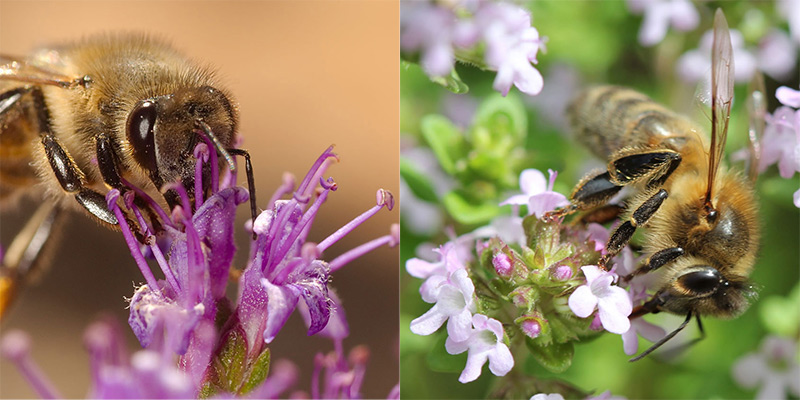
Insects are the foundation of many ecosystems. They pollinate plants, including many of our food crops; they decompose organic matter, enriching the soil; and they serve as a vital food source for birds, fish, and other animals. Without insects, the entire food web collapses [i].
- Pollination: Many of Auckland's native plants and introduced crops rely on insects for pollination. A decline in insect pollinators could lead to reduced crop yields and the loss of native plant species.
- Decomposition: Insects break down dead leaves, wood, and other organic matter, returning nutrients to the soil. This process is essential for maintaining healthy soil and supporting plant growth.
- Food Source: Insects are a crucial food source for many animals, including birds, lizards, and fish. A decline in insect populations can have cascading effects throughout the food web, impacting the populations of these animals.
Beyond the ecological impacts, the insect apocalypse also has economic implications. The decline in pollinators, for example, could lead to significant losses for the agricultural sector. Furthermore, the loss of biodiversity can impact tourism, as people are drawn to Auckland's unique natural environment [i].

The Usual Suspects: What's Killing Auckland's Insects?
Several factors contribute to the decline of insect populations in Auckland. Understanding these factors is crucial for developing effective conservation strategies [i].
- Habitat Loss: As Auckland continues to grow, natural habitats are being converted into urban areas, reducing the amount of space available for insects to live and breed.
- Pesticide Use: The widespread use of pesticides in agriculture and urban areas can directly kill insects, including beneficial species like pollinators.
- Climate Change: Changes in temperature and rainfall patterns can disrupt insect life cycles and alter their distribution.
- Invasive Species: Introduced species can compete with native insects for resources or prey on them, leading to population declines.
The combination of these factors creates a challenging environment for insects, making it difficult for them to survive and reproduce. Addressing these threats requires a multi-faceted approach that involves protecting and restoring habitats, reducing pesticide use, mitigating climate change, and controlling invasive species [i].

Unconventional Solutions: Edible Insects and Beyond
While traditional conservation efforts are essential, some experts believe that more unconventional solutions may be necessary to address the insect crisis. One such solution is the promotion of edible insects as a sustainable food source. Insects are highly nutritious and require far fewer resources to raise than traditional livestock. By incorporating insects into our diets, we can reduce our reliance on resource-intensive agriculture and free up land for insect habitats [i].
Of course, the idea of eating insects may not appeal to everyone. However, many cultures around the world already consume insects as a regular part of their diet. And with a little creativity, insects can be transformed into delicious and nutritious dishes. Imagine cricket flour brownies or mealworm tacos! The possibilities are endless [i].
Beyond edible insects, other unconventional solutions include using insects for bioremediation (cleaning up polluted environments) and developing insect-based biopesticides (natural alternatives to chemical pesticides). These innovative approaches offer promising ways to address the insect crisis while also creating new economic opportunities [i].

Citizen Science: Aucklanders to the Rescue
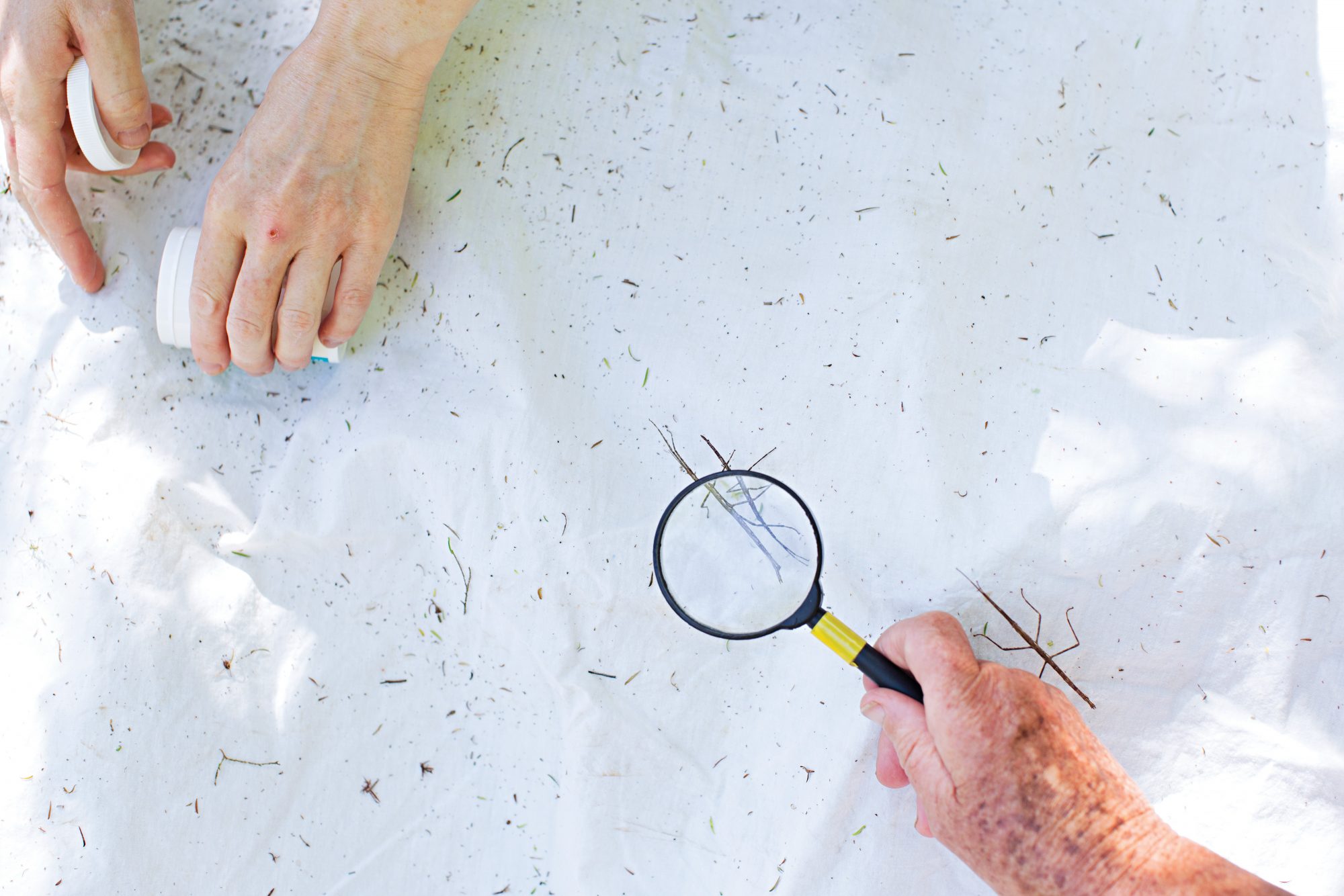
One of the most effective ways to combat the insect apocalypse is to engage the community in citizen science projects. These projects allow ordinary people to contribute to scientific research by collecting data on insect populations and habitats. By participating in citizen science, Aucklanders can help scientists track insect declines, identify areas where conservation efforts are needed, and monitor the effectiveness of different interventions [i].
There are many ways to get involved in citizen science. You can participate in insect surveys, monitor pollinator activity in your garden, or report sightings of invasive species. Several organizations in Auckland offer citizen science programs, providing training and resources to help you get started. Some examples include [i]:
- Auckland Council's biodiversity monitoring programs
- The Auckland Museum's entomology collections
- Local community groups focused on ecological restoration
By working together, scientists and citizens can make a real difference in protecting Auckland's insect populations [i].
Practical Steps: How You Can Help Save Auckland's Bugs
Even if you're not ready to eat insects or participate in citizen science, there are many simple things you can do to help save Auckland's bugs. Here are a few practical steps you can take [i]:
- Plant native plants: Native plants provide food and shelter for native insects. Choose a variety of plants that flower at different times of the year to provide a continuous source of nectar and pollen.
- Reduce pesticide use: Avoid using pesticides in your garden and around your home. If you must use pesticides, choose eco-friendly options and apply them carefully.
- Create insect-friendly habitats: Leave patches of undisturbed vegetation in your garden to provide shelter for insects. You can also build insect hotels or create compost piles.
- Support local conservation organizations: Donate to or volunteer with organizations that are working to protect Auckland's biodiversity.
- Educate yourself and others: Learn more about the insect crisis and share your knowledge with friends, family, and neighbors.
By taking these small steps, you can make a big difference in protecting Auckland's insect populations and ensuring a healthy future for our city [i].
Auckland's Future: A Buzzing Metropolis or a Silent City?
The future of Auckland's insects, and indeed the city's entire ecosystem, depends on the actions we take today. By embracing innovative solutions, engaging in citizen science, and taking practical steps to protect insect habitats, we can create a future where Auckland is a buzzing metropolis, teeming with life. But if we fail to act, we risk turning Auckland into a silent city, devoid of the insects that are so essential to our well-being [i].
The choice is ours. Will we rise to the challenge and save Auckland's bugs, one bite (or non-bite) at a time? The answer lies in our willingness to embrace change, to think outside the box, and to work together to create a more sustainable future for our city [i].
Let's choose to create a future where the buzz of insects is a constant reminder of the vibrant and healthy ecosystem we have worked so hard to protect [i].

Let's roll up our sleeves and, together, nurture a thriving, buzzing Auckland for generations to come! Who said Auckland is boring? 😊
-JAFA
Comments
Post a Comment