Auckland's Innovative Approach to Seafood Waste
Auckland, New Zealand, is known for its stunning coastline and vibrant seafood industry. However, like many coastal cities, it faces the challenge of managing seafood waste and marine debris. Enter "Net Effect," an initiative that's turning these challenges into opportunities. This program focuses on upcycling seafood byproducts and repurposing discarded fishing gear, often called "ghost gear," into valuable resources and captivating art.
The core idea behind Net Effect is to minimize waste and maximize the value of resources that would otherwise end up in landfills or polluting the ocean. By collaborating with local fishermen, seafood processors, and artists, the initiative creates a circular economy that benefits both the environment and the community.
This initiative is not just about cleaning up; it's about changing perspectives and fostering a greater appreciation for the ocean and its resources. It's a testament to the power of collaboration and innovation in addressing environmental challenges.
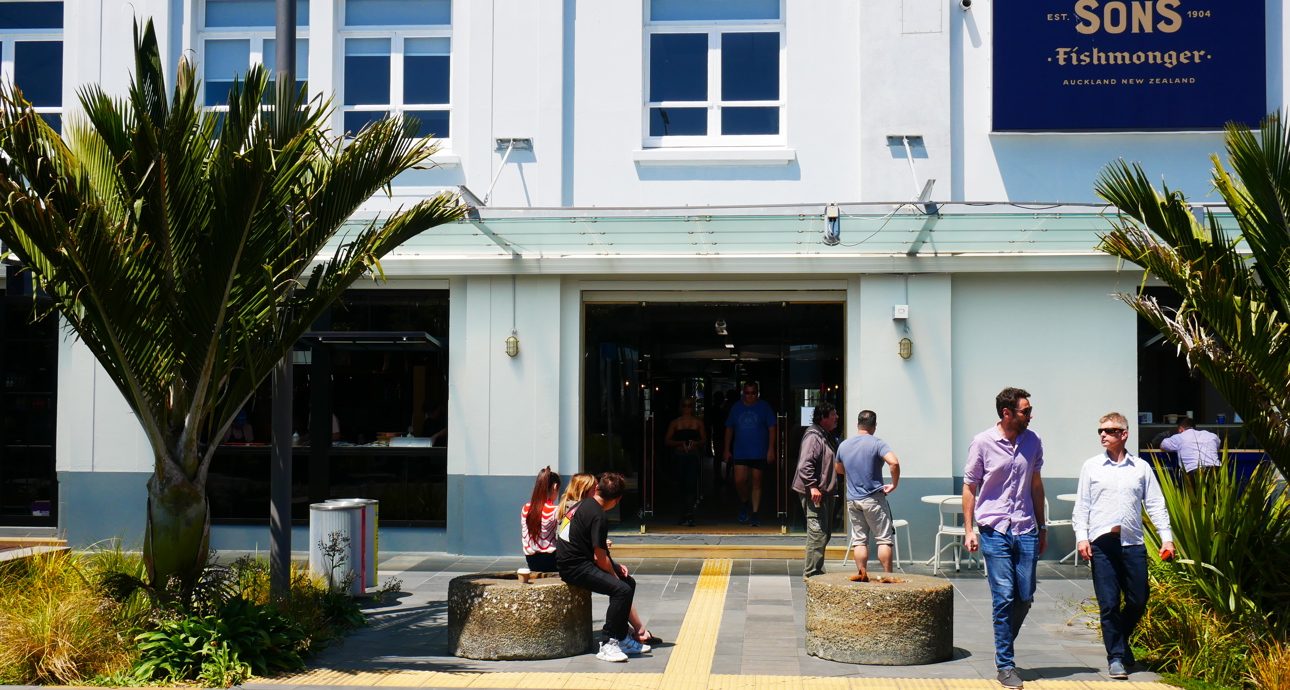
Upcycling Seafood: From Waste to Plate
One of the key components of Net Effect is the upcycling of seafood byproducts. Instead of discarding fish skins, bones, and other parts, these materials are transformed into new and exciting culinary creations. Chefs are experimenting with fish skin chips, fish bone broth, and other innovative dishes that showcase the versatility of seafood.
This approach not only reduces waste but also adds value to the seafood industry. By finding new uses for byproducts, businesses can increase their profitability and reduce their environmental footprint. Furthermore, it encourages consumers to think differently about seafood and appreciate the full potential of this valuable resource.
Several restaurants in Auckland have already embraced the Net Effect philosophy, incorporating upcycled seafood dishes into their menus. This culinary innovation is not only delicious but also helps to raise awareness about the importance of sustainable seafood practices.

Ghost Gear Art: Transforming Ocean Waste into Beauty
Another fascinating aspect of Net Effect is the transformation of ghost gear into art. Ghost gear refers to abandoned, lost, or discarded fishing nets and other equipment that can pose a significant threat to marine life. These nets can entangle marine animals, damage coral reefs, and pollute the ocean for years to come.
Net Effect collects ghost gear from local beaches and waterways and provides it to artists who transform it into stunning sculptures, installations, and other works of art. This process not only removes harmful debris from the ocean but also raises awareness about the impact of ghost gear on marine ecosystems.
The resulting artwork is often displayed in public spaces, galleries, and museums, serving as a powerful reminder of the importance of protecting our oceans. The artists involved in Net Effect are not only creating beautiful art but also contributing to a vital environmental cause.

The Environmental Impact of Net Effect
The environmental benefits of Net Effect are significant. By reducing seafood waste and removing ghost gear from the ocean, the initiative helps to protect marine ecosystems, reduce pollution, and promote sustainable fishing practices. The initiative contributes to a healthier ocean environment for future generations.
- Reduced landfill waste
- Decreased marine pollution
- Protection of marine life
- Promotion of sustainable fishing
Furthermore, Net Effect serves as a model for other coastal communities around the world. By demonstrating the potential of upcycling and repurposing waste, the initiative inspires others to adopt similar practices and create a more sustainable future for our oceans.

Community Engagement and Education
Net Effect is not just an environmental initiative; it's also a community engagement and education program. The initiative works with local schools, community groups, and businesses to raise awareness about the importance of sustainable seafood practices and marine conservation. Workshops, educational programs, and public events are organized to engage the community and promote responsible environmental stewardship.
By involving the community in the process, Net Effect fosters a sense of ownership and responsibility for the health of the ocean. People are more likely to support sustainable practices when they understand the impact of their actions and have the opportunity to contribute to positive change.
The initiative also provides opportunities for local artists and businesses to showcase their work and contribute to the circular economy. This creates a sense of pride and collaboration within the community, further strengthening the impact of Net Effect.

How You Can Support Net Effect
There are many ways to support Net Effect and contribute to its mission of promoting sustainable seafood practices and marine conservation. Here are a few ideas:
- Choose sustainable seafood: Look for seafood that is certified by organizations like the Marine Stewardship Council (MSC).
- Reduce your waste: Minimize your consumption of single-use plastics and properly dispose of waste to prevent it from entering the ocean.
- Support local businesses: Patronize restaurants and businesses that are committed to sustainable practices and support Net Effect initiatives.
- Volunteer your time: Participate in beach cleanups and other volunteer activities organized by Net Effect or other environmental organizations.
- Spread the word: Share information about Net Effect and the importance of marine conservation with your friends, family, and social media networks.
By taking these simple steps, you can make a difference and help to protect our oceans for future generations. Net Effect is a testament to the power of collective action and the potential to create a more sustainable future for our planet.
| Action | Benefit | Impact |
|---|---|---|
| Choose Sustainable Seafood | Supports responsible fishing practices | Reduces overfishing and protects marine ecosystems |
| Reduce Waste | Minimizes pollution and protects marine life | Prevents plastic and other debris from entering the ocean |
| Support Local Businesses | Encourages sustainable practices and economic growth | Promotes a circular economy and supports local communities |

So, let's all dive in and support these innovative efforts, creating a brighter future for our oceans and our community, one delicious dish and captivating artwork at a time. Who said Auckland is boring? 😊
-JAFA
Comments
Post a Comment