Auckland's Reclaimed Runway: Where Waste Meets High Fashion
Auckland, New Zealand, is making waves in the sustainable fashion scene with its innovative initiative, the "Reclaimed Runway." This project isn't just about creating beautiful clothes; it's about challenging our perceptions of waste and demonstrating the potential for circular design. By transforming discarded materials into high-fashion garments and offering educational workshops, the Reclaimed Runway is inspiring a community to embrace eco-conscious style.
The core concept revolves around sourcing materials from landfills, recycling centers, and donations. These discarded items, ranging from textiles and plastics to metal scraps and electronic components, are then reimagined and repurposed by talented designers and community members. The result is a stunning collection of unique, avant-garde pieces that showcase creativity and environmental responsibility.
But the Reclaimed Runway is more than just a fashion show. It's a platform for education and empowerment. Through workshops and community events, participants learn about sustainable design principles, upcycling techniques, and the environmental impact of the fashion industry. This hands-on approach fosters a deeper understanding of waste reduction and encourages individuals to adopt more sustainable practices in their own lives.

The Vision Behind the Runway: Sustainability and Community
The Reclaimed Runway's vision extends beyond creating fashionable clothing. It's deeply rooted in the principles of sustainability and community engagement. The project aims to reduce textile waste, minimize the environmental footprint of the fashion industry, and empower individuals to become active participants in creating a more sustainable future.
One of the key aspects of the Reclaimed Runway is its focus on collaboration. Designers, artists, students, and community members work together to bring their creative visions to life. This collaborative environment fosters innovation, knowledge sharing, and a sense of collective responsibility. By involving people from diverse backgrounds, the Reclaimed Runway creates a truly inclusive and impactful initiative.
The project also emphasizes the importance of education and awareness. Through workshops, exhibitions, and online resources, the Reclaimed Runway aims to educate the public about the environmental and social impacts of the fashion industry. By providing practical skills and knowledge, the project empowers individuals to make informed choices and adopt more sustainable consumption patterns.
)
From Landfill to Label: The Transformation Process
The journey from landfill waste to high-fashion garment is a fascinating process that involves creativity, ingenuity, and a deep understanding of materials. The Reclaimed Runway employs a variety of techniques to transform discarded items into wearable art. Here's a glimpse into the transformation process:
- Sourcing and Sorting: The first step involves collecting materials from landfills, recycling centers, and donations. These materials are then carefully sorted and categorized based on their type, condition, and potential for reuse.
- Cleaning and Preparation: Once the materials have been sorted, they are thoroughly cleaned and prepared for transformation. This may involve washing, disinfecting, and repairing damaged items.
- Design and Innovation: Designers then work their magic, using their creativity and technical skills to reimagine the discarded materials. They develop innovative designs that showcase the unique qualities of the materials and minimize waste.
- Construction and Assembly: The final step involves constructing and assembling the garments. This requires skilled craftsmanship and attention to detail. The designers often employ a variety of techniques, such as sewing, weaving, and embellishing, to create stunning and unique pieces.
The Reclaimed Runway also utilizes technology to enhance the transformation process. For example, 3D printing is used to create custom embellishments and components from recycled plastics. This innovative approach demonstrates the potential for technology to play a role in sustainable fashion.

Sustainable Design Workshops: Empowering the Community
A cornerstone of the Reclaimed Runway is its commitment to community engagement through sustainable design workshops. These workshops provide participants with the skills and knowledge to transform discarded materials into beautiful and functional items. The workshops cater to a wide range of skill levels, from beginners to experienced designers.
Here's a glimpse into the types of workshops offered:
- Upcycling Basics: These workshops teach participants the fundamentals of upcycling, including how to identify suitable materials, clean and prepare them, and create simple projects such as tote bags and accessories.
- Textile Transformation: These workshops focus on transforming old textiles into new garments and home décor items. Participants learn techniques such as dyeing, printing, and embellishing to create unique and personalized pieces.
- Sustainable Jewelry Making: These workshops teach participants how to create beautiful jewelry from recycled materials such as metal scraps, plastic bottles, and electronic components.
- Zero-Waste Sewing: These workshops focus on minimizing textile waste during the sewing process. Participants learn techniques such as pattern drafting and fabric manipulation to create garments with minimal or no fabric scraps.
The workshops are led by experienced designers and instructors who are passionate about sustainability. They provide participants with hands-on guidance and support, fostering a creative and collaborative learning environment. Many participants use tools like Brother sewing machines and Canva for design inspiration.

The Impact and Future of Reclaimed Runway
The Reclaimed Runway has had a significant impact on the Auckland community and beyond. The project has raised awareness about the environmental and social impacts of the fashion industry, inspired individuals to adopt more sustainable practices, and empowered designers to create innovative and eco-conscious clothing.
Here's a look at some of the key impacts of the Reclaimed Runway:
| Impact Area | Description | Examples |
|---|---|---|
| Environmental | Reduced textile waste, minimized carbon footprint, promoted circular economy principles. | Diverting tons of textile waste from landfills, using eco-friendly dyes and materials, promoting upcycling and reuse. |
| Social | Empowered community members, fostered collaboration, raised awareness about sustainable fashion. | Providing workshops and training opportunities, creating a platform for designers to showcase their work, engaging the public in discussions about sustainability. |
| Economic | Created new economic opportunities, supported local businesses, promoted sustainable consumption. | Supporting designers and artisans who create sustainable products, encouraging consumers to buy eco-friendly clothing, promoting the growth of the sustainable fashion industry. |
Looking ahead, the Reclaimed Runway aims to expand its reach and impact. The project plans to offer more workshops, collaborate with more designers and businesses, and develop new and innovative ways to promote sustainable fashion. The Reclaimed Runway serves as a model for other communities around the world, demonstrating the potential for creativity, collaboration, and sustainability to transform the fashion industry.
Initiatives like the Reclaimed Runway are vital in shifting the fashion industry towards a more sustainable future. By embracing creativity, innovation, and community engagement, we can create a world where fashion is both beautiful and environmentally responsible. You can find similar initiatives and resources through organizations like the Ellen MacArthur Foundation, which promotes circular economy principles globally.
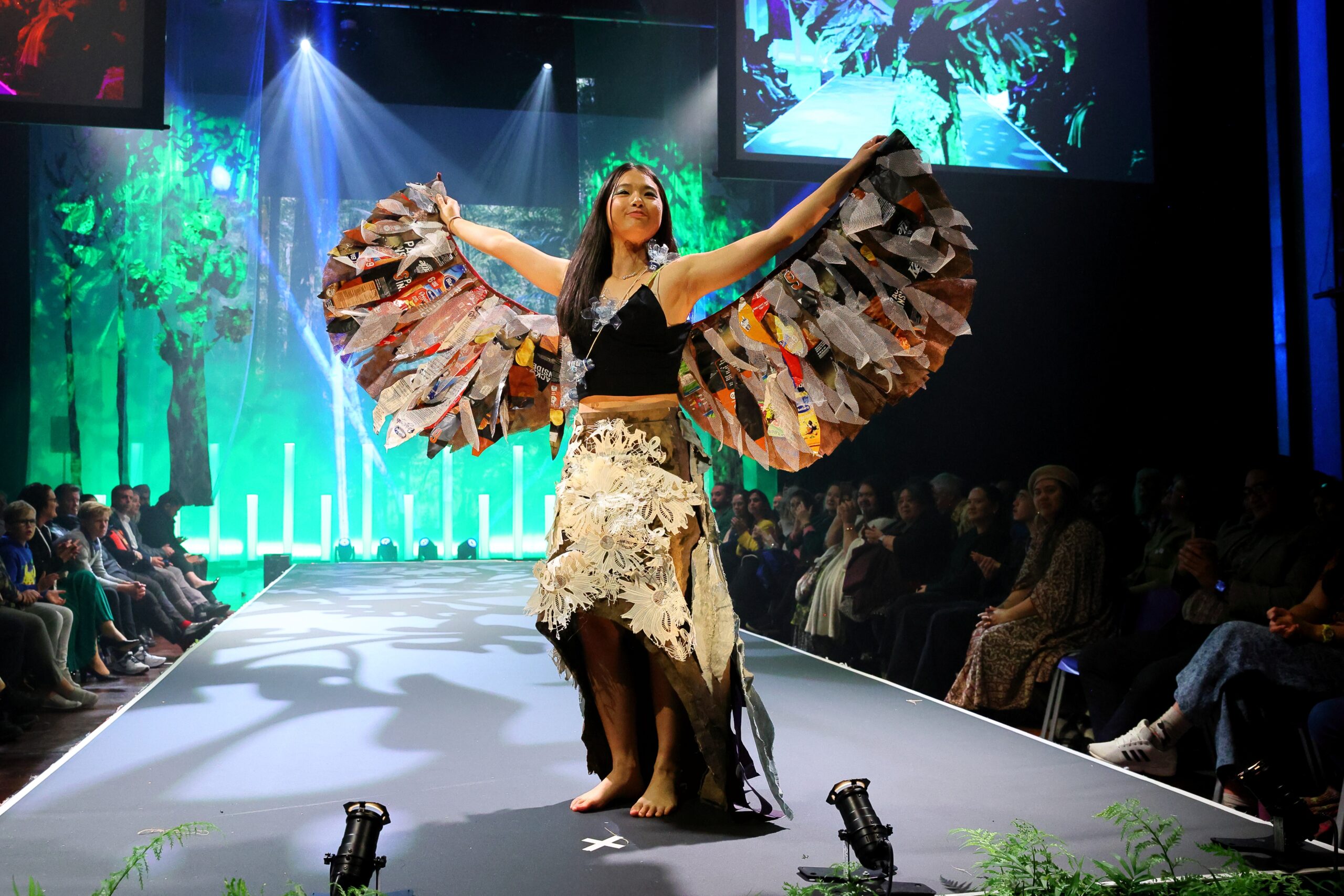
So, let's all embrace the spirit of the Reclaimed Runway and weave a more sustainable and stylish future, together! Who said Auckland is boring? 😊
-JAFA
Comments
Post a Comment