Auckland's Culinary Challenge: Ingredient IQ
Auckland, New Zealand, a city celebrated for its vibrant culinary landscape, is buzzing with a new challenge: "Ingredient IQ." This isn't your typical cooking competition; it's a fascinating exploration of taste, knowledge, and the art of recreating culinary masterpieces. The concept is simple, yet surprisingly complex: can diners accurately identify the key ingredients in a dish, and can chefs, armed with only their palates and expertise, successfully recreate it?
This initiative is sparking conversations about food literacy, the importance of understanding where our food comes from, and the skills required to transform raw ingredients into delectable meals. It's also highlighting the incredible talent within Auckland's restaurant scene, pushing chefs to their creative limits and encouraging diners to engage more deeply with their food.
The "Ingredient IQ" challenge is unfolding in various forms across the city, from informal blind taste tests at local eateries to more structured events featuring renowned chefs. It's a playful yet insightful way to appreciate the nuances of flavor and the dedication of those who craft our meals.

The Diner's Dilemma: Decoding Flavors
For diners, the "Ingredient IQ" challenge presents a unique opportunity to test their palates and expand their culinary knowledge. It's one thing to enjoy a delicious meal; it's another to deconstruct it, identifying the individual components that contribute to the overall flavor profile. This requires a heightened sense of taste, an understanding of different ingredients, and the ability to discern subtle nuances.
Many participants are finding that identifying familiar ingredients is relatively straightforward, but the real challenge lies in pinpointing the more obscure or subtly used components. Spices, herbs, and less common vegetables often prove to be the most difficult to detect. This experience is prompting diners to pay closer attention to the food they consume and to appreciate the complexity of even seemingly simple dishes.
Several tools and resources are available to help diners improve their "Ingredient IQ." Flavor pairing charts, online ingredient databases, and even dedicated tasting workshops are becoming increasingly popular. Apps like Vivino (for wine) or similar ingredient-focused apps could be adapted to help diners learn and identify flavors.

The Chef's Challenge: Recreating the Magic
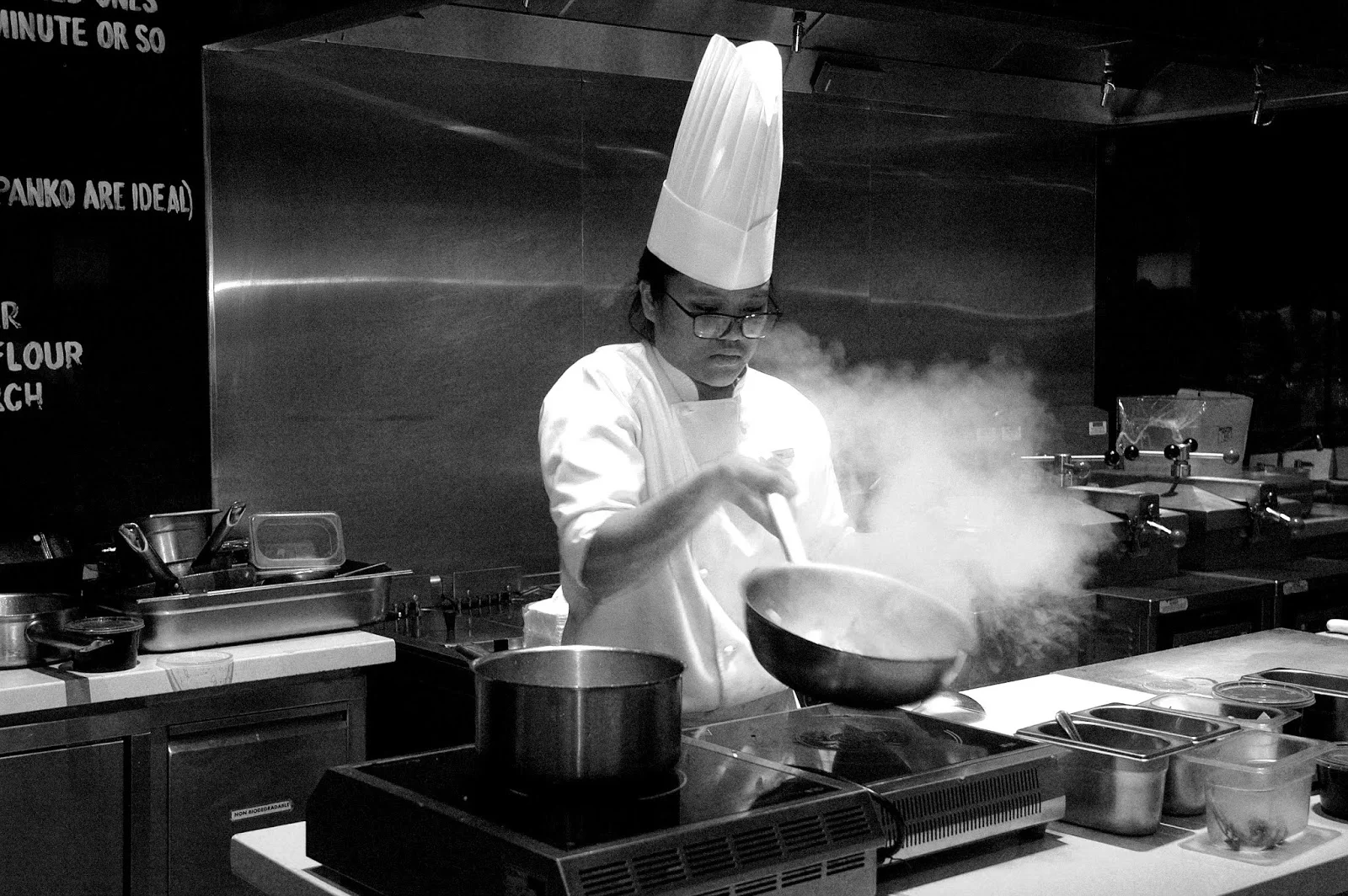
The "Ingredient IQ" challenge isn't just about diners; it also places significant demands on chefs. Tasked with recreating a dish based solely on taste, chefs must rely on their experience, intuition, and deep understanding of culinary techniques. This requires a mastery of flavor profiles, an ability to identify ingredients through taste alone, and the skill to translate that knowledge into a tangible recipe.
Chefs often approach this challenge by breaking down the dish into its component parts, analyzing each flavor layer and attempting to identify the key ingredients and cooking methods used. This process can be incredibly time-consuming and requires a high degree of precision. The pressure is on to not only replicate the flavors but also to capture the overall essence and presentation of the original dish.
The challenge also highlights the importance of sourcing high-quality ingredients. Even the most skilled chef will struggle to recreate a dish if the ingredients are subpar. This emphasis on quality is benefiting local producers and suppliers, as restaurants increasingly prioritize fresh, seasonal, and locally sourced ingredients.
Ingredient IQ: Examples and Case Studies
Several Auckland restaurants have already embraced the "Ingredient IQ" concept, incorporating it into their menus and events. One popular approach is to offer a "mystery dish" where diners are challenged to identify the ingredients for a chance to win a prize. This not only engages customers but also provides valuable feedback to the chefs.
One notable case study involves a local bistro that challenged its head chef to recreate a classic French onion soup after only tasting it once. The chef, initially skeptical, rose to the occasion, meticulously analyzing the flavors and textures of the soup. After several attempts, he successfully recreated the dish, earning rave reviews from both diners and critics. This experience not only boosted the chef's confidence but also inspired him to experiment with new flavor combinations and techniques.
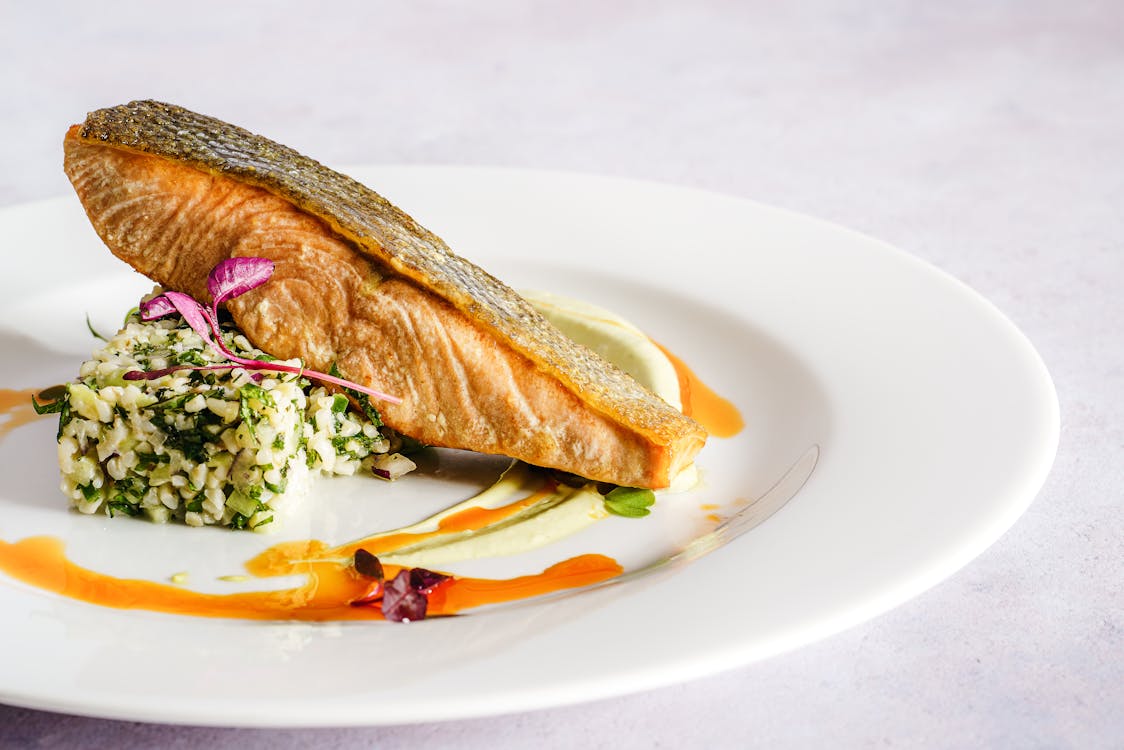
Another example is a pop-up event where diners were presented with a series of small plates and asked to identify the key ingredients. The results were surprisingly varied, with some diners accurately identifying almost every ingredient while others struggled to name even the most basic components. This highlighted the wide range of culinary knowledge among the general public and underscored the importance of initiatives like "Ingredient IQ" in promoting food literacy.
Benefits of Boosting Your Ingredient IQ
Participating in the "Ingredient IQ" challenge, whether as a diner or a chef, offers numerous benefits. For diners, it enhances their appreciation for food, expands their culinary knowledge, and encourages them to be more mindful of what they eat. It can also lead to a greater interest in cooking and experimenting with new recipes.
For chefs, the challenge provides an opportunity to hone their skills, push their creative boundaries, and gain valuable feedback from diners. It also promotes a culture of innovation and encourages them to constantly strive for excellence. Furthermore, it can enhance their restaurant's reputation and attract new customers.
More broadly, the "Ingredient IQ" initiative contributes to a more informed and engaged food culture. By promoting food literacy and celebrating culinary talent, it helps to create a community that values quality, sustainability, and the art of cooking.
- Enhanced appreciation for food
- Expanded culinary knowledge
- Increased mindfulness about eating habits
- Opportunity for chefs to hone skills and gain feedback
- Promotion of a culture of innovation and excellence

How to Participate in Auckland's Ingredient IQ Scene
If you're eager to test your "Ingredient IQ" in Auckland, there are several ways to get involved. Keep an eye out for restaurants offering "mystery dishes" or hosting blind taste tests. Many local food blogs and social media groups also announce upcoming events and challenges.
Consider attending a cooking class or workshop focused on flavor pairing and ingredient identification. These classes can provide valuable insights and practical tips for improving your palate. You can also explore online resources, such as flavor pairing charts and ingredient databases, to expand your knowledge.
Ultimately, the best way to improve your "Ingredient IQ" is to simply pay closer attention to the food you eat. Take the time to savor each bite, identify the individual flavors, and consider how the ingredients work together to create the overall taste experience. With practice and dedication, you'll be surprised at how quickly your palate develops.
Here's a simple table to help you get started:
| Ingredient Category | Examples | Tips for Identification |
| Herbs | Basil, Mint, Thyme | Smell the ingredient first; focus on subtle differences in aroma. |
| Spices | Cumin, Coriander, Turmeric | Start with small amounts; consider the warmth and depth of flavor. |
| Vegetables | Artichoke, Fennel, Zucchini | Pay attention to texture and sweetness levels. |
Whether you're a seasoned foodie or a curious beginner, the "Ingredient IQ" challenge offers a fun and rewarding way to engage with Auckland's vibrant culinary scene. So, grab your fork, sharpen your senses, and get ready to test your taste buds!
Explore Auckland's diverse culinary offerings! From the bustling Auckland Fish Market https://www.google.com/maps?q=Auckland+Fish+Market to the innovative restaurants in Britomart https://www.google.com/maps?q=Britomart+Auckland, there's something for every palate.

So, go forth and explore Auckland's vibrant food scene, armed with your newfound "Ingredient IQ," and let's celebrate the delicious dance between diner and chef! Who said Auckland is boring? 😊
-JAFA
Comments
Post a Comment