Waiheke's Forgotten Feasts: Rediscovering Maori Herbal Remedies in Historical Kai
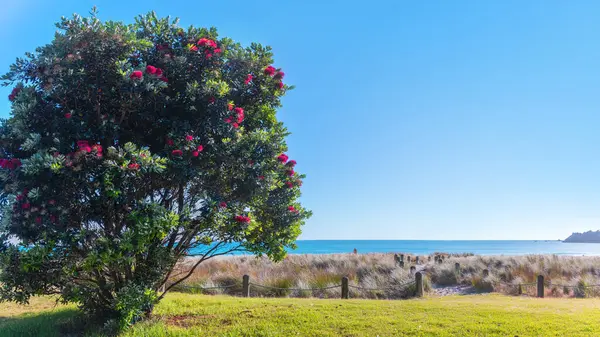
Waiheke Island, a jewel in Auckland's Hauraki Gulf, is renowned for its stunning beaches, vineyards, and relaxed lifestyle. However, beneath the surface of this idyllic paradise lies a rich and often overlooked history – the traditional Maori practices of using native plants for both medicinal and culinary purposes. This blog post delves into the fascinating world of Waiheke's forgotten feasts, exploring how Maori herbal remedies were interwoven with historical kai (food) and offering a glimpse into a sustainable and deeply connected way of life.
The Significance of Rongoā (Traditional Maori Medicine)
Rongoā, the traditional Maori healing system, is a holistic approach to well-being that encompasses physical, spiritual, and mental health. It relies heavily on the use of native plants, prepared and administered by tohunga rongoā (traditional healers). These healers possess extensive knowledge of the medicinal properties of various plants and the rituals associated with their harvesting and preparation. On Waiheke Island, the abundance of native flora provided a rich source of remedies for a wide range of ailments.
The practice of rongoā is not simply about treating symptoms; it's about restoring balance and harmony within the individual and their relationship with the natural world. This deep connection to the environment is a cornerstone of Maori culture and is reflected in the sustainable practices employed in gathering and utilizing resources.

Key Native Plants and Their Uses
Waiheke Island's diverse ecosystem boasts a variety of native plants that were essential to Maori life. Here are a few examples:
- Kawakawa (Macropiper excelsum): Known for its heart-shaped leaves, Kawakawa was used to treat a variety of ailments, including stomach pain, skin infections, and inflammation. It was often consumed as a tea or applied topically as a poultice.
- Harakeke (Flax - Phormium tenax): While primarily known for its strong fibers used in weaving, Harakeke also had medicinal properties. The gel from the base of the leaves was used to soothe burns and scalds, and the roots were sometimes used to treat wounds.
- Manuka (Leptospermum scoparium): Famous for its honey, Manuka also possesses powerful antibacterial and anti-inflammatory properties. The leaves and bark were used to treat skin conditions, and the oil was used as an antiseptic.
- Kūmarahou (Pomaderris kumeraho): This plant was traditionally used as a blood cleanser and to treat skin conditions. When the flowers are rubbed in water, they create a soapy lather, hence its common name, 'gumdigger's soap'.
These are just a few examples of the many native plants that were utilized by Maori on Waiheke Island. The knowledge of these plants and their uses was passed down through generations, ensuring the continuity of this valuable traditional practice.

Historical Kai: More Than Just Sustenance
For Maori, kai was more than just sustenance; it was an integral part of their culture and identity. Traditional Maori cuisine was deeply connected to the land and sea, with a focus on seasonal and sustainable harvesting practices. On Waiheke Island, the abundance of seafood, native birds, and edible plants provided a diverse and nutritious diet.
Many of the plants used for medicinal purposes were also incorporated into traditional kai. For example, Kawakawa leaves were sometimes added to soups and stews for their flavor and health benefits. Harakeke seeds were ground into flour and used to make bread. The integration of these plants into the diet ensured that people were receiving a constant supply of essential nutrients and medicinal compounds.
The Art of Preservation and Preparation
Preservation techniques were crucial for ensuring a consistent food supply throughout the year. Methods such as drying, smoking, and fermenting were used to preserve fish, birds, and vegetables. These techniques not only extended the shelf life of food but also enhanced its flavor and nutritional value.
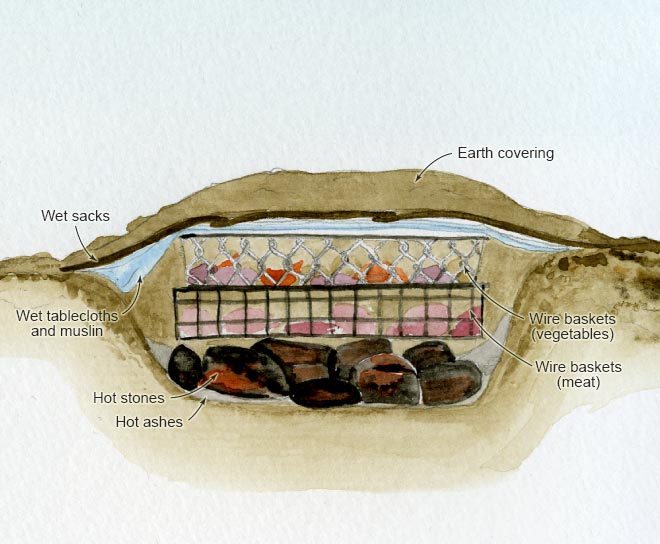
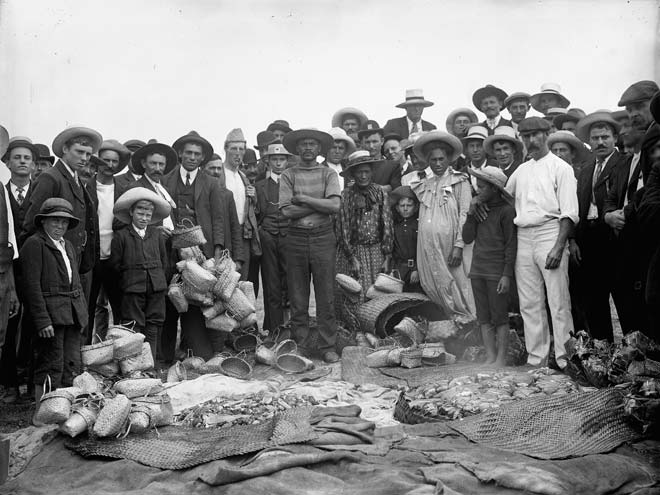
The preparation of kai was often a communal activity, with different members of the community contributing their skills and knowledge. This collaborative approach fostered a sense of unity and strengthened social bonds. Traditional cooking methods, such as the hangi (earth oven), were used to prepare large quantities of food for feasts and gatherings.
The Impact of Colonization and Modernization
The arrival of European settlers in New Zealand had a profound impact on Maori culture and traditional practices. Colonization led to the loss of land, the suppression of language and customs, and the introduction of new diseases and dietary habits. As a result, many traditional Maori practices, including the use of herbal remedies and traditional kai, were gradually forgotten.
Modernization has also contributed to the decline of these practices. The availability of processed foods and conventional medicine has reduced the reliance on traditional methods. However, there is a growing movement to revitalize and preserve Maori culture, including the knowledge of rongoā and traditional kai.

Revitalizing the Past for a Sustainable Future
Today, there is a growing interest in rediscovering and revitalizing traditional Maori practices. On Waiheke Island, several initiatives are underway to promote the use of native plants for medicinal and culinary purposes. These initiatives include:
- Community gardens: These gardens provide a space for people to learn about and grow native plants.
- Workshops and educational programs: These programs teach people about the medicinal properties of native plants and how to prepare traditional kai.
- Collaboration with local businesses: Some local businesses are incorporating native plants into their products and services, such as using Manuka honey in skincare products or serving traditional Maori dishes in restaurants.
By embracing these initiatives, we can not only preserve the rich cultural heritage of Waiheke Island but also create a more sustainable and healthy future for ourselves and generations to come. Rediscovering the forgotten feasts of Waiheke is a journey into the past, a celebration of the present, and a pathway to a more harmonious relationship with the natural world.
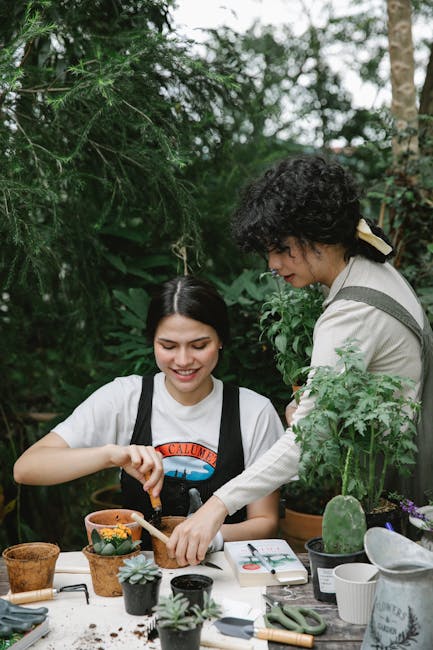
Let's embrace the wisdom of the past and weave these forgotten flavours into a healthier, more connected future for us all. Who said Auckland is boring? 😊
-JAFA
Comments
Post a Comment