Auckland's Edible Emotions: Can Chefs Decode Kids' Feelings Through Food?
In the vibrant culinary landscape of Auckland, New Zealand, a fascinating experiment is brewing. Forget fancy foams and intricate plating; some chefs are turning their attention to a far more complex ingredient: children's emotions. The question they're asking is simple, yet profound: can food be a key to unlocking and understanding the emotional world of kids?
This isn't about tricking children into eating their vegetables. It's a deeper dive into how flavors, textures, and presentation can evoke feelings, memories, and even help children articulate what they might struggle to express verbally. It's a novel approach to child psychology, using the universal language of food as a bridge to emotional understanding.

The Science of Sensory Connection
The connection between food and emotion is well-established. Think about the comfort of chicken soup when you're sick, or the joy of ice cream on a hot summer day. These aren't just physical experiences; they're deeply intertwined with our emotional state. This connection is particularly strong in children, whose emotional landscapes are still developing.
Researchers have shown that taste, smell, and texture can trigger powerful emotional responses. A particular aroma might evoke a childhood memory, while a certain texture could create a feeling of comfort or disgust. By carefully crafting dishes that stimulate these senses, chefs can potentially tap into a child's emotional world and gain valuable insights.
Auckland's Culinary Pioneers
Several chefs in Auckland are already experimenting with this approach. They're working with child psychologists and educators to develop menus and cooking activities that encourage children to explore their emotions through food. One example is a workshop where children are asked to create a dish that represents a specific feeling, such as happiness, sadness, or anger.
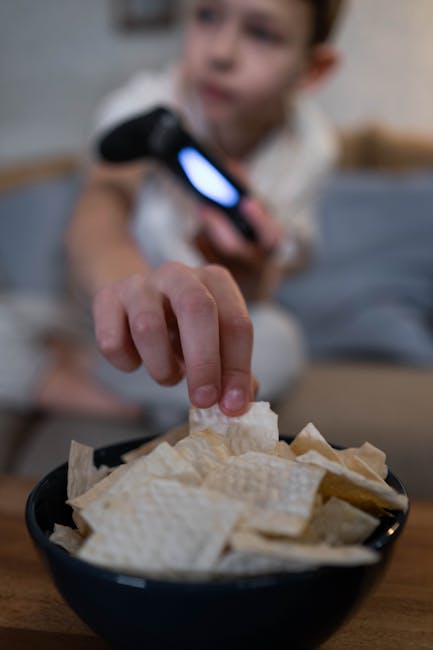
Another approach involves observing children's reactions to different flavors and textures. Do they gravitate towards sweet and comforting foods when they're feeling stressed? Or do they prefer spicy and adventurous flavors when they're feeling confident and energetic? By carefully analyzing these preferences, chefs can gain a better understanding of a child's emotional state.

Tools and Techniques: From Playdates to Plate Design
The tools used in this culinary exploration are surprisingly simple. It's not about expensive equipment or complicated recipes. Instead, it's about creating a safe and supportive environment where children feel comfortable expressing themselves through food. Some common techniques include:
- Sensory playdates: These involve exposing children to a variety of flavors, textures, and aromas in a playful and engaging way.
- Emotional food diaries: Children are encouraged to keep track of what they eat and how it makes them feel.
- Plate design activities: Children are given the freedom to create their own dishes, using different ingredients and colors to express their emotions.
Apps like Mealime or Yummly can be adapted to track food choices and correlate them with mood, although professional guidance is crucial for accurate interpretation.

Ethical Considerations and Future Directions
While this approach holds great promise, it's important to consider the ethical implications. It's crucial to ensure that children are not pressured to express emotions they're not comfortable sharing, and that their privacy is respected. The information gathered through these culinary explorations should be used to support their emotional well-being, not to label or diagnose them.
Looking ahead, this approach could have significant implications for child psychology and education. It could lead to the development of new therapeutic interventions that use food as a tool for emotional healing. It could also inform the design of school lunches and meal programs that are tailored to the emotional needs of children. The potential is vast, and Auckland's culinary pioneers are leading the way.

Beyond Auckland: A Global Trend?
While Auckland is at the forefront of this movement, the idea of using food to understand and address children's emotions is gaining traction globally. Chefs and educators around the world are beginning to recognize the power of food as a tool for emotional expression and connection. This trend reflects a growing awareness of the importance of emotional intelligence and the need to find innovative ways to support children's emotional well-being.
Whether it's through cooking classes, sensory playdates, or simply paying closer attention to children's food preferences, there are many ways to incorporate this approach into our lives. By embracing the power of food, we can help children unlock their emotions and build a stronger connection to themselves and the world around them.
For more information on child psychology and emotional development, resources like the New Zealand Psychological Society can provide valuable insights.

So, let's celebrate the delicious potential of food to connect with our kids and nurture their emotional well-being, one bite at a time! Who said Auckland is boring? 😊
-JAFA
Comments
Post a Comment