Auckland's Culinary Scene: A Shift in Perspective
Auckland, New Zealand, known for its stunning harbors and vibrant culture, is also home to a burgeoning food scene. But something unusual is brewing – a "reverse restaurant" revolution. This isn't about chefs cooking backward; it's about shifting the dining experience, placing more responsibility and engagement on the diner. The core concept revolves around minimizing traditional restaurant services, often involving customers in tasks like bussing their own tables or even pre-ordering and picking up meals from designated stations. This approach aims to streamline operations, reduce costs, and foster a more casual, community-oriented atmosphere.

What Exactly is a "Reverse Restaurant"?
The term "reverse restaurant" isn't an official culinary designation, but rather a descriptive label for establishments that deviate from the conventional full-service model. Think of it as a hybrid between fast-casual and traditional dining. Key characteristics often include:
- Self-Service: Customers may be responsible for tasks like collecting their orders, refilling drinks, and clearing their tables.
- Reduced Staffing: Streamlined operations mean fewer servers and bussers.
- Technology Integration: Online ordering, mobile payments, and digital menus are common.
- Casual Atmosphere: The focus is on relaxed dining, often with communal seating and a less formal ambiance.
The goal is to offer quality food at a more accessible price point, while also creating a unique and engaging dining experience. It's a trade-off: diners sacrifice some of the pampering of a traditional restaurant in exchange for affordability and a more laid-back vibe.

The Drivers Behind the Trend
Several factors are contributing to the rise of reverse restaurants in Auckland and beyond:
- Rising Operating Costs: Restaurants face increasing pressure from rent, labor, and food costs. The reverse model helps mitigate these expenses.
- Changing Consumer Preferences: Many diners, particularly younger generations, prioritize convenience, value, and a casual atmosphere over formal service.
- Technology Adoption: Online ordering and mobile payments make self-service more seamless and efficient.
- Demand for Authenticity: Some diners appreciate the transparency and directness of the reverse model, feeling more connected to the food and the establishment.
The COVID-19 pandemic also accelerated the adoption of contactless ordering and self-service options, further paving the way for the reverse restaurant concept.

Examples of Reverse Restaurant Elements in Auckland
While a fully-fledged "reverse restaurant" might be rare, many Auckland eateries are incorporating elements of the model. Here are a few examples:
- Food Trucks and Pop-Ups: These often operate on a self-service basis, with customers ordering and collecting their food from a window.
- Cafes with Counter Service: Many cafes require customers to order and pay at the counter, and then clear their own tables.
- Restaurants with Online Ordering and Pick-Up: Some establishments encourage online ordering and offer designated pick-up areas to reduce wait times and streamline service.
These examples demonstrate how the reverse restaurant concept can be adapted and integrated into various dining formats.
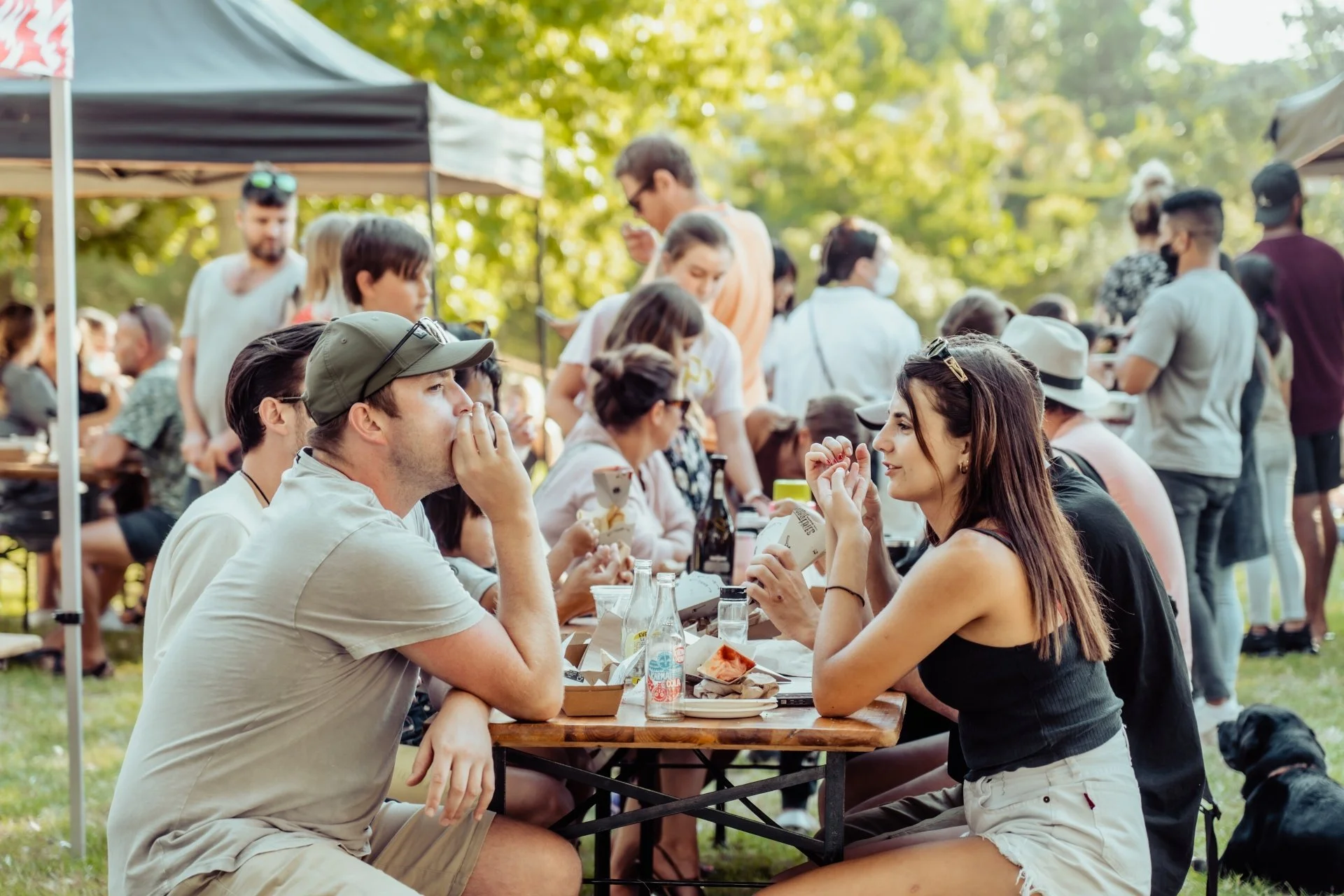
The Pros and Cons: Is it Right for You?
The reverse restaurant model offers both advantages and disadvantages for diners and restaurant owners alike.
| Pros | Cons |
|---|---|
| Lower prices for diners | Less personalized service |
| Faster service in some cases | May require more effort from diners |
| More casual and relaxed atmosphere | May not appeal to those seeking a fine-dining experience |
| Potential for a more community-oriented dining experience | Can feel impersonal if not executed well |
Ultimately, the success of a reverse restaurant depends on its target audience and its ability to deliver a positive and engaging experience, even with reduced service.

The Future of Dining in Auckland
It's unlikely that all restaurants in Auckland will fully embrace the reverse model. However, the trend highlights a growing demand for affordability, convenience, and a more casual dining experience. We can expect to see more restaurants experimenting with elements of the reverse model, such as online ordering, self-service kiosks, and communal seating. The key will be finding the right balance between efficiency and hospitality, ensuring that diners feel valued and satisfied, even if they're clearing their own plates.
Tools like online ordering platforms (e.g., Uber Eats, DoorDash, local restaurant websites) and mobile payment systems (e.g., Apple Pay, Google Pay) will continue to play a crucial role in facilitating the reverse restaurant experience. Restaurants may also leverage technology to personalize the self-service experience, such as using customer data to offer tailored recommendations or loyalty rewards.

Are You Ready to Ditch the Dishwasher?
The "reverse restaurant" revolution in Auckland is a fascinating development in the culinary world. It challenges traditional notions of dining and offers a glimpse into the future of the industry. Whether you're a seasoned foodie or simply looking for a quick and affordable meal, keep an eye out for restaurants embracing this innovative approach. You might just find that ditching the dishwasher (figuratively speaking, of course) is a surprisingly enjoyable experience.

So, are you ready to roll up your sleeves and become part of Auckland's delicious, dish-free future? Who said Auckland is boring? 😊
-JAFA
Comments
Post a Comment