Auckland's Culinary Uprising: The "Reverse Restaurant" Phenomenon
Auckland's dining scene is known for its innovation, but a recent trend has taken the city by storm: the "Reverse Restaurant." This isn't your typical dining experience. Instead of chefs dictating the menu, diners' biggest culinary pet peeves inspire the dishes. Yes, you read that right. Restaurants are actively soliciting complaints and turning them into edible (and hopefully enjoyable) creations. It's a bold move, but in a city that loves to push boundaries, it seems to be working.
The concept is simple: restaurants encourage customers to submit their most hated food quirks, whether it's soggy fries, overly sweet desserts, or the dreaded cilantro overload. Chefs then take these grievances as creative challenges, crafting dishes designed to address – or sometimes, hilariously amplify – the original complaint. The result is a dining experience that's part therapy session, part culinary experiment, and entirely unique to Auckland.
But why this sudden surge in culinary masochism? Some speculate it's a reaction to the increasingly curated and often pretentious nature of fine dining. Others believe it's a clever marketing ploy to generate buzz and attract adventurous eaters. Whatever the reason, the "Reverse Restaurant" is proving to be a hit, with restaurants reporting increased bookings and social media engagement.

The Pet Peeves That Launched a Thousand Dishes
So, what are the culinary complaints fueling this trend? You might be surprised. While some are universal gripes, others are distinctly Auckland. Here are a few of the most common pet peeves that have inspired "Reverse Restaurant" dishes:
- Soggy Fries: A classic complaint, addressed with triple-fried, extra-crispy potatoes served with a variety of dipping sauces designed to maintain their crunch.
- Overly Sweet Desserts: Chefs are responding with desserts that emphasize savory elements, incorporating herbs, spices, and even vegetables to balance the sweetness.
- Cilantro Overload: For those who perceive cilantro as soapy, restaurants are offering "cilantro-free zones" and alternative herb options. Some chefs are even creating dishes that intentionally highlight the divisive herb, challenging diners to reconsider their aversion.
- Tiny Portions: In response to complaints about minuscule servings, some restaurants are offering "family-style" dishes designed to be shared, ensuring everyone leaves feeling satisfied.
- Uninspired Vegetarian Options: Chefs are stepping up their game with creative and flavorful vegetarian dishes that go beyond the standard pasta primavera. Think roasted vegetable medleys, innovative salads, and plant-based protein dishes.
One popular spot, "The Complaint Kitchen," even has a dedicated "Wall of Woes" where customers can anonymously post their food frustrations. The chefs then select a new complaint each week to inspire a special dish. It's a truly interactive dining experience that puts the customer in control – at least, in theory.

Auckland's Top "Reverse Restaurant" Experiences
Ready to embrace the culinary chaos? Here are a few Auckland restaurants leading the "Reverse Restaurant" revolution:
| Restaurant | Specialty | Address |
|---|---|---|
| The Complaint Kitchen | Weekly "Wall of Woes" inspired dishes | 123 Main Street, Auckland |
| Pet Peeve Plates | Deconstructed dishes based on diner complaints | 456 Queen Street, Auckland |
| The Anti-Cilantro Cafe | Cilantro-free (and cilantro-heavy) options | 789 K Road, Auckland |
The Complaint Kitchen is a must-visit for its interactive approach. Each week, they select a new complaint from their "Wall of Woes" and create a dish designed to address it. It's a fun and unpredictable dining experience that's sure to spark conversation.
Pet Peeve Plates takes a more deconstructed approach, presenting dishes as a series of components that diners can assemble themselves, allowing them to customize their meal to their exact preferences. It's perfect for picky eaters or those who simply like to be in control.
The Anti-Cilantro Cafe caters to both cilantro lovers and haters, offering a menu that's divided into "cilantro-free" and "cilantro-heavy" options. It's a playful way to address the divisive herb and ensure everyone can find something they enjoy.

The Psychology of the "Reverse Restaurant"
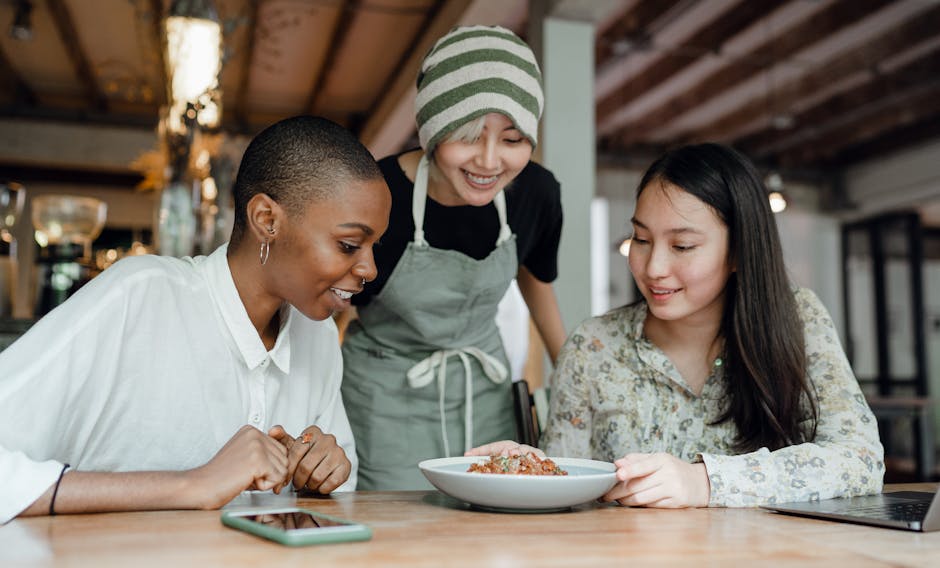
Beyond the novelty and entertainment value, the "Reverse Restaurant" trend taps into some interesting psychological principles. By giving diners a voice and acknowledging their frustrations, restaurants are fostering a sense of connection and collaboration. This can lead to increased customer loyalty and positive word-of-mouth marketing.
Furthermore, the "Reverse Restaurant" can be seen as a form of culinary therapy. By confronting their food aversions in a playful and creative way, diners may be able to overcome their dislikes or at least gain a new perspective on them. It's a reminder that food is not just about sustenance; it's also about emotion, memory, and personal experience.
Of course, the success of the "Reverse Restaurant" depends on the execution. Chefs must be willing to embrace the challenge and create dishes that are both innovative and delicious. Restaurants must also be prepared to handle criticism and adapt to customer feedback. But when done right, the "Reverse Restaurant" can be a powerful tool for building community and creating a truly memorable dining experience.
Is the "Reverse Restaurant" Here to Stay?
The "Reverse Restaurant" trend is undoubtedly a unique and engaging concept. But is it a fleeting fad or a sign of things to come? Only time will tell. However, the trend highlights a growing desire for more personalized and interactive dining experiences. In a world of mass-produced food and generic restaurant chains, the "Reverse Restaurant" offers a refreshing alternative that celebrates individuality and creativity.
Whether or not the "Reverse Restaurant" becomes a permanent fixture in the culinary landscape, it has already made a significant impact on Auckland's dining scene. It has challenged chefs to think outside the box, encouraged diners to voice their opinions, and sparked a city-wide conversation about food and culture. And that, in itself, is a recipe for success.
So, the next time you're in Auckland and feeling adventurous, why not give a "Reverse Restaurant" a try? You might just discover your new favorite dish – or at least have a good laugh at your own culinary quirks.

So, next time you're dining out in Auckland, remember these inventive responses and maybe even share your own "pet-peeve plate" – who knows, you might just inspire the next culinary masterpiece! Who said Auckland is boring? 😊
-JAFA
Comments
Post a Comment