Welcome to Auckland's Wildest Culinary Creation!
Forget traditional restaurants! Auckland is home to a truly unique experience: a "Reverse Restaurant" petting zoo where the animals are the architects and the chefs! This innovative concept turns the tables, allowing the residents to design and build their own edible habitats. Imagine a world where goats construct their own salad bars, rabbits create carrot castles, and guinea pigs engineer pepper palaces. It's a feast for the eyes and a fascinating look at animal behavior and enrichment.
This isn't just about providing food; it's about stimulating natural instincts, encouraging problem-solving, and creating a more engaging and enriching environment for the animals. By giving them the tools and resources to build their own food structures, the zoo promotes both physical and mental well-being. It's a win-win for everyone involved, especially the lucky visitors who get to witness this incredible display of animal ingenuity.

The Concept: Turning the Tables on Traditional Feeding
The "Reverse Restaurant" concept is simple yet revolutionary. Instead of zookeepers preparing and serving food in a traditional manner, the animals are given access to a variety of edible building materials. These materials, carefully selected for their nutritional value and structural integrity, include things like:
- Fresh vegetables (carrots, lettuce, peppers, cucumbers)
- Fruits (apples, bananas, berries)
- Edible plants (herbs, grasses)
- Hay and other forage
The animals are then free to use these materials to construct their own shelters, climbing structures, and feeding stations. This encourages them to engage in natural behaviors like foraging, building, and problem-solving. It also provides a constant source of enrichment, keeping them mentally stimulated and physically active.
Meet the Animal Architects: Who's Building What?
Each species brings its own unique architectural style to the "Reverse Restaurant." Here's a glimpse at some of the amazing creations you might see:
- Goats: These agile climbers are masters of vertical construction, often building multi-tiered salad bars and leafy lookout towers.
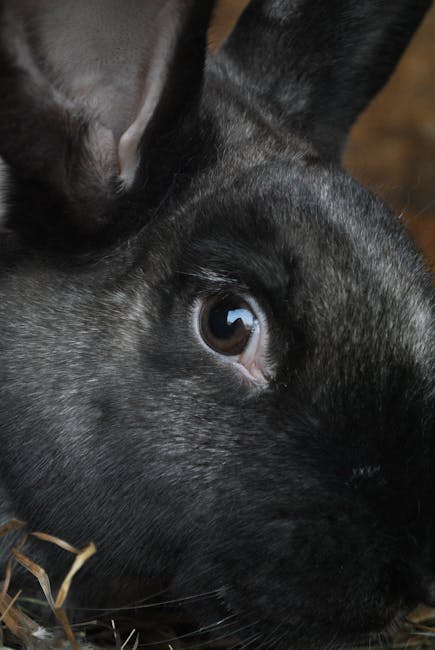
- Rabbits: Known for their burrowing instincts, rabbits create intricate carrot tunnels and cozy hay huts.
- Guinea Pigs: These social creatures prefer communal dining, building pepper palaces and cucumber castles where they can feast together.
- Birds: Using twigs, leaves, and edible seeds, birds construct elaborate nests and hanging feeders.
The specific materials and designs vary depending on the species and the available resources. The zookeepers carefully monitor the animals' progress, providing guidance and support as needed. They also ensure that the structures are safe and stable, and that the animals have access to a balanced diet.

The Benefits: Enrichment, Engagement, and Education
The "Reverse Restaurant" offers a multitude of benefits for both the animals and the visitors. For the animals, it provides:
- Enrichment: Stimulates natural behaviors and keeps them mentally and physically active.
- Engagement: Encourages problem-solving and creativity.
- Choice and Control: Allows them to choose what and how they eat.
For the visitors, it offers:
- Education: Provides a unique opportunity to learn about animal behavior and nutrition.
- Entertainment: Offers a fascinating and engaging viewing experience.
- Inspiration: Encourages a greater appreciation for animals and their natural abilities.
The "Reverse Restaurant" is more than just a petting zoo; it's an educational experience that promotes animal welfare and inspires a deeper connection with the natural world.
Planning Your Visit: What to Expect
If you're planning a visit to Auckland's "Reverse Restaurant" petting zoo, here are a few things to keep in mind:
- Check the schedule: The "Reverse Restaurant" may have specific operating hours or feeding times.
- Wear comfortable shoes: You'll be doing a lot of walking.
- Bring your camera: You'll want to capture the amazing creations of the animal architects.
- Be respectful of the animals: Observe them from a distance and avoid disturbing their work.
- Ask questions: The zookeepers are happy to share their knowledge and answer your questions.
The zoo may also offer special events or workshops related to the "Reverse Restaurant" concept. Check their website or social media pages for more information.

The Future of Animal Enrichment: Beyond the Reverse Restaurant
The "Reverse Restaurant" is just one example of the innovative ways that zoos are working to improve animal welfare. Other enrichment strategies include:
- Puzzle feeders: These devices require animals to solve a puzzle to access their food.
- Sensory enrichment: Providing animals with stimulating sights, sounds, smells, and textures.
- Social enrichment: Allowing animals to interact with members of their own species.
- Habitat design: Creating naturalistic environments that mimic the animals' native habitats.
The goal of all these strategies is to create a more stimulating and enriching environment for the animals, promoting their physical and mental well-being. As our understanding of animal behavior continues to grow, we can expect to see even more innovative approaches to animal enrichment in the future.

Auckland's Edible Architecture: A Delicious Conclusion
Auckland's "Reverse Restaurant" petting zoo is a truly unique and inspiring experience. It's a testament to the power of innovation and the importance of animal welfare. By turning the tables on traditional feeding, the zoo has created a more engaging and enriching environment for its residents, while also providing visitors with a fascinating glimpse into the world of animal architecture. So, if you're looking for a fun and educational day out, be sure to add this culinary creation to your list. You won't be disappointed!
Whether you're an animal lover, a foodie, or simply looking for something different, the "Reverse Restaurant" is sure to delight and inspire. It's a reminder that even the simplest things, like food and shelter, can be transformed into opportunities for creativity, enrichment, and connection.
And who knows, maybe you'll even be inspired to create your own edible architecture at home for your own furry or feathered friends!
So, go on, get inspired by these animal architects and build some delicious memories of your own! Who said Auckland is boring? 😊
-JAFA
Comments
Post a Comment