Auckland's Culinary Landscape: A Demographic Deep Dive
Auckland, New Zealand, is a melting pot of cultures, and this diversity is vividly reflected in its dynamic culinary scene. More than just following trends, Auckland's chefs are increasingly attuned to the specific demographic profiles of their diners. This 'culinary census,' an informal but impactful understanding of who is eating what and where, is shaping menus and dining experiences across the city. From the bustling city center to the suburban neighborhoods, the dishes being served are a direct response to the preferences and palates of the local population.
This isn't simply about offering ethnic cuisines; it's about understanding the nuances within those communities. For example, a restaurant in a suburb with a large population of young families might focus on kid-friendly options and early dining hours, while a downtown establishment catering to young professionals might prioritize innovative cocktails and late-night menus. The key is recognizing that Auckland's diners are not a homogenous group, and their culinary desires are as varied as their backgrounds.
The rise of food delivery services and online reviews has further amplified the importance of understanding diner demographics. Restaurants can now access vast amounts of data on customer preferences, allowing them to tailor their offerings with unprecedented precision. This data-driven approach, combined with the creativity and passion of Auckland's chefs, is creating a truly unique and responsive culinary ecosystem.
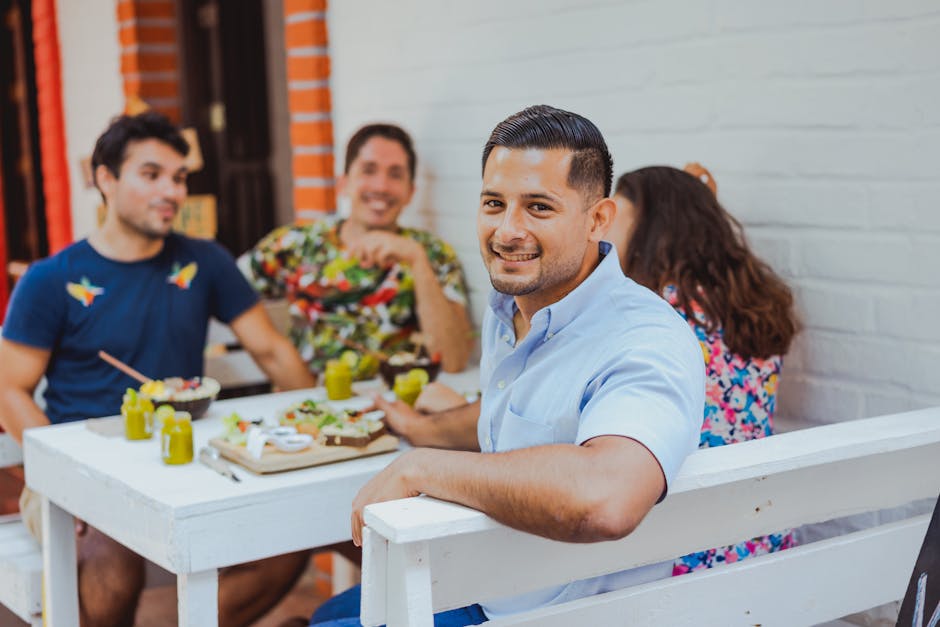
The Data Behind the Dishes: Understanding Auckland's Diners
So, what kind of data are we talking about? It goes beyond simple age and location. Savvy Auckland restaurateurs are analyzing a range of factors, including:
- Age and Family Status: Are they young professionals, families with children, or retirees? This influences portion sizes, menu complexity, and dining hours.
- Cultural Background: Understanding the dominant ethnicities in a given area is crucial for offering authentic and appealing cuisine.
- Income Levels: This impacts price sensitivity and the types of ingredients and dining experiences that are viable.
- Dietary Preferences: The growing demand for vegetarian, vegan, gluten-free, and other specialized diets is a significant factor.
- Lifestyle and Values: Are diners health-conscious, environmentally aware, or interested in supporting local producers?
Tools like Google Analytics, social media insights, and customer feedback platforms provide valuable data points. Restaurants are also increasingly using loyalty programs and online surveys to gather direct information from their customers. This data is then used to inform menu development, marketing strategies, and even restaurant design.
For example, a restaurant using data analytics might discover that its customers in a particular area are highly interested in sustainable seafood. This could lead them to source more locally caught fish and highlight the sustainability aspects of their dishes on the menu. This targeted approach not only appeals to the specific demographic but also strengthens the restaurant's brand identity.

Chefs Respond: Innovation and Adaptation in the Kitchen
Armed with demographic insights, Auckland's chefs are demonstrating remarkable creativity and adaptability. They're not just replicating existing dishes; they're innovating and creating new culinary experiences that resonate with their target audiences. This might involve:
- Fusion Cuisine: Blending different culinary traditions to create unique and exciting flavor combinations.
- Menu Customization: Offering options for diners to personalize their dishes based on their preferences and dietary needs.
- Seasonal Menus: Highlighting fresh, locally sourced ingredients that are in season.
- Themed Events: Hosting special events that cater to specific cultural groups or interests.
Consider the example of a restaurant in https://www.google.com/maps?q=Dominion+Road, a street known for its diverse Asian cuisine. Instead of simply offering traditional Chinese or Korean dishes, a chef might create a fusion menu that blends elements of both cuisines, appealing to a broader range of diners while still maintaining authenticity. This kind of innovation is what sets Auckland's culinary scene apart.
Another example is the growing trend of restaurants offering plant-based alternatives to traditional meat dishes. This is a direct response to the increasing demand for vegetarian and vegan options, particularly among younger demographics. Chefs are using innovative techniques and ingredients to create plant-based dishes that are both delicious and visually appealing.

Examples in Action: Auckland Restaurants Leading the Way
Several Auckland restaurants are already successfully leveraging demographic data to inform their culinary offerings. Here are a few examples:
- The Sugar Club: Located in the Sky Tower, this restaurant caters to a sophisticated clientele with its innovative tasting menus and stunning city views. Their menu often reflects global influences, appealing to a diverse and well-traveled audience.
- Depot Eatery & Oyster Bar: This popular restaurant focuses on fresh, locally sourced seafood and simple, flavorful dishes. Its casual atmosphere and accessible menu make it a hit with both locals and tourists.
- Amano: Located in Britomart, Amano offers Italian-inspired cuisine with a focus on seasonal ingredients. Their beautiful space and lively atmosphere attract a stylish crowd.
These restaurants, and many others across Auckland, are constantly adapting their menus and services to meet the evolving needs of their diners. They understand that success in the culinary industry requires not only great food but also a deep understanding of the people they are serving.
Beyond individual restaurants, initiatives like Auckland Restaurant Month showcase the city's culinary diversity and encourage diners to explore new flavors and experiences. These events also provide valuable opportunities for restaurants to gather feedback and refine their offerings.

The Future of Food in Auckland: A Personalized Culinary Experience
Looking ahead, the trend of demographic-driven dining is only likely to intensify. As technology continues to evolve, restaurants will have access to even more granular data on customer preferences. This will enable them to create increasingly personalized culinary experiences, tailoring menus and services to the specific needs of each individual diner.
Imagine a future where restaurants use AI-powered systems to analyze your dietary restrictions, past orders, and social media activity to recommend dishes that are perfectly suited to your tastes. This level of personalization may seem futuristic, but it's already becoming a reality in some parts of the world. Auckland's culinary scene is well-positioned to embrace these advancements and continue to innovate and adapt to the changing needs of its diverse population.
Ultimately, the success of Auckland's culinary scene depends on its ability to embrace diversity, foster innovation, and prioritize the needs of its diners. By understanding the demographics of their customers and responding with creativity and adaptability, Auckland's chefs can continue to create a vibrant and thriving food culture that reflects the city's unique identity.
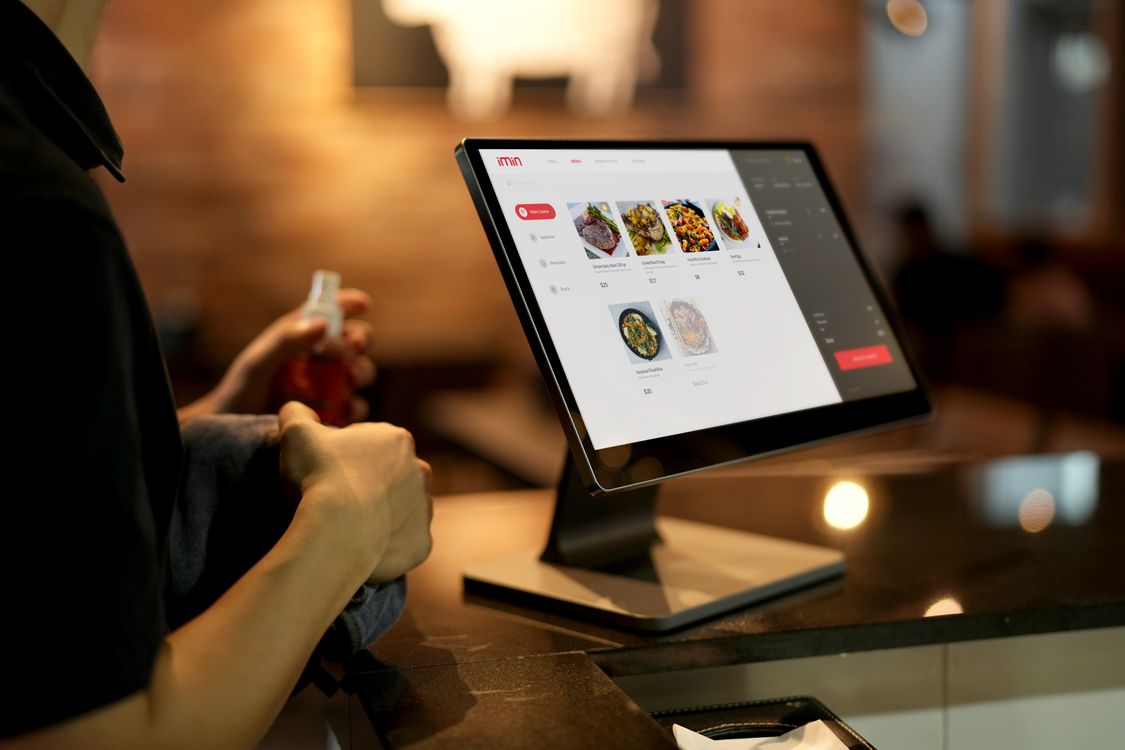
So, get out there and explore the delicious diversity Auckland's chefs are crafting, knowing you're shaping the city's vibrant food scene with every bite! Who said Auckland is boring? 😊
-JAFA
Comments
Post a Comment