Auckland's Culinary Catastrophes: When Home Cooking Goes Hilariously Wrong
Auckland, a city known for its vibrant food scene and stunning harbor views, isn't immune to kitchen mishaps. Behind the closed doors of countless homes, culinary dreams sometimes turn into hilarious disasters. We're diving into the world of Auckland's "Dish Disasters," where amateur cooks face off against recipes, and the results are often more comical than palatable. From burnt dinners to questionable flavor combinations, we'll explore the lighter side of cooking gone wrong.
Let's be honest, we've all been there. That moment when you realize you've completely misread the recipe, or the timer didn't go off, and your culinary creation is now a charred offering to the smoke alarm gods. This blog post is a celebration of those moments, a reminder that even the best chefs started somewhere, and a testament to the fact that sometimes, the best stories come from the biggest kitchen fails.
We'll also be looking at how professional chefs might react to these amateur hour mishaps. Imagine Gordon Ramsay critiquing a soggy pavlova or a burnt lamb roast! While we won't subject anyone to that level of scrutiny, we'll explore the common mistakes and offer some helpful tips to avoid your own "Dish Disaster."

Common Kitchen Calamities: The Usual Suspects
What are the most frequent offenders in Auckland's home kitchens? Let's take a look at some of the usual suspects that contribute to "Dish Disasters."
- The Overcooked Roast: A classic Kiwi staple gone wrong. The culprit is often forgetting about it in the oven, or setting the temperature too high. The result? A dry, tough piece of meat that even the dog might turn its nose up at.
- The Soggy Pavlova: A national treasure, but notoriously tricky to perfect. Humidity, over-whipping, and incorrect oven temperature can all lead to a collapsed, sticky mess.
- The Burnt Toast: A simple breakfast staple, yet easily ruined. Distraction is the enemy here. A moment's inattention can transform golden-brown toast into a blackened, acrid-smelling disaster.
- The Exploding Microwave Meal: We've all been there. A forgotten fork, an improperly vented container, or simply too much power can lead to a volcanic eruption of food inside your microwave.
- The Under-Seasoned Dish: Blandness is a culinary crime! Forgetting to add salt, pepper, or other essential seasonings can leave your dish tasting flat and uninspired.
These are just a few of the common kitchen calamities that plague Auckland home cooks. Recognizing these pitfalls is the first step towards avoiding them. Next, we'll explore some tips and tricks to help you navigate the kitchen with more confidence.
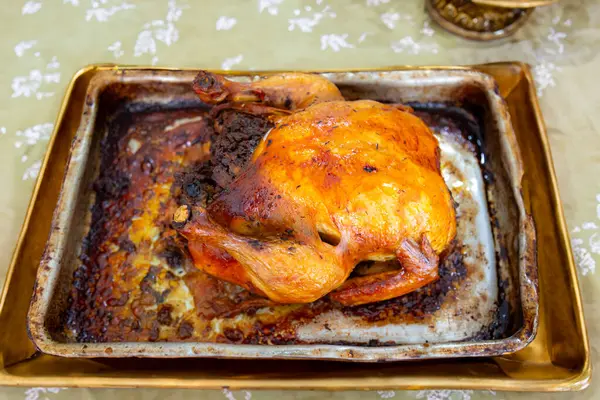
Chef's Roast: How Professionals Would React
Imagine a professional chef walking into a kitchen filled with the aftermath of a "Dish Disaster." What would they say? While we can't guarantee a Gordon Ramsay-style tirade, we can speculate on their likely reactions and offer some constructive criticism.
A chef might first assess the damage, identifying the root cause of the problem. Was it a lack of attention to detail? A misunderstanding of the recipe? Or simply a lack of basic cooking skills? They would likely emphasize the importance of preparation, proper technique, and attention to detail. They might also stress the value of tasting as you go, adjusting seasonings and flavors to achieve the desired result.
Here's a table showing how a chef might react to some common kitchen disasters:
| Dish Disaster | Chef's Likely Reaction | Constructive Criticism |
| Burnt Roast | "Did you even check the temperature?" | Use a meat thermometer! Baste regularly. |
| Soggy Pavlova | "The meringue wasn't stiff enough!" | Ensure egg whites are at room temperature. Whip until stiff peaks form. |
| Under-Seasoned Soup | "Where's the flavor?" | Taste as you go! Season gradually. |
| Exploded Microwave Meal | "Always vent the container!" | Follow microwave instructions carefully. Use microwave-safe containers. |

Tips and Tricks to Avoid Kitchen Catastrophes
So, how can you avoid becoming the next star of Auckland's "Dish Disasters"? Here are some practical tips and tricks to help you navigate the kitchen with more confidence and less chance of culinary calamity:
- Read the Recipe Carefully: This seems obvious, but it's crucial. Understand each step before you begin.
- Prepare Your Ingredients: The French call this "mise en place." Having everything chopped, measured, and ready to go will streamline the cooking process and reduce the chance of errors.
- Use a Timer: Don't rely on your memory! Set a timer for every stage of the cooking process.
- Taste as You Go: Seasoning is key. Taste your dish regularly and adjust the flavors as needed.
- Don't Be Afraid to Ask for Help: If you're unsure about a technique or ingredient, don't hesitate to consult a cookbook, online resource, or experienced cook.
- Invest in Quality Tools: A good set of knives, measuring cups, and cooking utensils can make a big difference.
- Clean as You Go: A clean kitchen is a happy kitchen. Cleaning up spills and washing dishes as you go will prevent a build-up of mess and make the whole process more enjoyable.
By following these simple tips, you can significantly reduce your chances of experiencing a "Dish Disaster" and create delicious, memorable meals.
Embrace the Imperfection: Cooking is a Journey
Ultimately, cooking is a journey, not a destination. There will be bumps along the road, moments of frustration, and the occasional "Dish Disaster." But it's important to remember that mistakes are part of the learning process. Don't be afraid to experiment, try new recipes, and push your culinary boundaries. And most importantly, don't take yourself too seriously!
Even the most experienced chefs have their off days. The key is to learn from your mistakes, adapt your techniques, and keep on cooking. So, embrace the imperfection, laugh at your kitchen mishaps, and enjoy the process of creating delicious food. After all, even a "Dish Disaster" can be a valuable learning experience and a great story to tell.
And who knows, maybe your culinary catastrophe will inspire someone else to try cooking, even if they're a little bit scared. Because at the end of the day, the joy of cooking comes from the process of creating something delicious and sharing it with others, regardless of whether it's perfect or not.

So, embrace the chaos, learn from your "Dish Disasters," and keep cooking – Auckland's culinary scene is waiting for your unique flavour! Who said Auckland is boring? 😊
-JAFA
Comments
Post a Comment