Auckland's Culinary Scene Turns Upside Down!
Auckland, New Zealand, is known for its vibrant culinary scene, a melting pot of flavors and innovative dining experiences. But recently, a peculiar trend has emerged, one that's turning the traditional restaurant model on its head: the "Reverse Restaurant." This isn't about walking backward into the establishment (though that would be amusing!). Instead, it's about diners dictating the culinary direction, presenting chefs with unusual requests, dietary restrictions taken to the extreme, and outright bizarre flavor combinations. This phenomenon is forcing Auckland's chefs to think outside the box, pushing their creativity to the limit, and sometimes, questioning their career choices.
What exactly constitutes a "Reverse Restaurant" request? Imagine a customer demanding a dish that's both incredibly spicy and intensely sweet, or someone who insists on a deconstructed version of a classic Kiwi pie, with each ingredient served separately and requiring assembly. Or perhaps a request for a dish that incorporates only ingredients starting with the letter 'P'. These are the kinds of challenges Auckland chefs are increasingly facing, and their responses are often as inventive as the requests themselves.

The Rise of the Culinary Daredevils
So, why this sudden surge in culinary quirkiness? Several factors are likely at play. Firstly, the rise of social media has empowered diners to become more vocal about their preferences and desires. Platforms like Instagram and TikTok have created a culture of culinary experimentation, where unusual food combinations and visually stunning dishes reign supreme. Diners are no longer content with simply ordering a standard meal; they want an experience, something unique and shareable.
Secondly, increased awareness of dietary restrictions and allergies has led to more specific and complex requests. While accommodating genuine dietary needs is a standard practice in most restaurants, some diners are taking it to the extreme, imposing self-diagnosed intolerances and demanding dishes that adhere to increasingly restrictive diets. This can be challenging for chefs, who must balance the need to cater to individual preferences with the practicality of running a kitchen.
Chefs' Creative Comebacks: Innovation Under Pressure
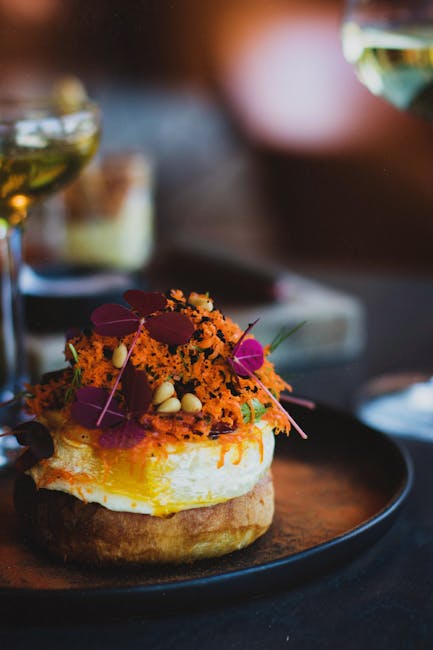
Faced with this onslaught of unusual requests, Auckland's chefs are responding with remarkable creativity and ingenuity. Many are embracing the challenge, viewing it as an opportunity to push their culinary boundaries and develop new and exciting dishes. Some restaurants are even incorporating a "Chef's Challenge" section on their menu, where diners can submit their own unusual requests and the chef will select the most intriguing ones to create a special dish.
One popular Auckland restaurant, The Sugar Club, has gained a reputation for its willingness to accommodate even the most outlandish requests. Their head chef, Peter Gordon, is known for his innovative use of ingredients and his ability to create dishes that are both visually stunning and incredibly flavorful. He sees the "Reverse Restaurant" trend as a positive development, forcing chefs to think outside the box and constantly innovate.

Examples of Culinary Quirks and Creative Solutions
Let's delve into some specific examples of the "Reverse Restaurant" phenomenon in Auckland and the creative solutions devised by chefs:
- The "Everything Purple" Request: A diner challenged a chef to create a dish where every ingredient was purple. The chef responded with a vibrant salad featuring purple kale, beetroot, purple carrots, edible lavender flowers, and a blueberry vinaigrette.
- The "Texture Only" Challenge: Another diner requested a dish that focused solely on texture, with no regard for flavor. The chef created a dish featuring crispy fried seaweed, smooth avocado mousse, crunchy puffed rice, and chewy tapioca pearls, offering a diverse range of textural sensations.
- The "Childhood Memory" Recreation: One particularly sentimental diner asked a chef to recreate a dish that evoked a specific childhood memory, without providing any details about the dish itself. The chef, after a lengthy conversation with the diner, created a comforting bowl of creamy tomato soup with grilled cheese croutons, perfectly capturing the essence of the diner's nostalgic memory.

The Impact on Auckland's Restaurant Industry
The "Reverse Restaurant" trend is having a significant impact on Auckland's restaurant industry. While it presents challenges for chefs, it also offers opportunities for innovation and differentiation. Restaurants that are willing to embrace the trend and cater to unusual requests are likely to attract a wider range of customers and gain a competitive edge. However, it's crucial for restaurants to strike a balance between accommodating diner preferences and maintaining their own culinary identity.
Furthermore, this trend is influencing culinary education in Auckland. Cooking schools are now incorporating modules on creative problem-solving and adaptability, preparing aspiring chefs to handle the unpredictable demands of the modern dining landscape. The ability to think on one's feet and improvise is becoming an increasingly valuable skill in the culinary world.
The Future of Dining: Personalization and Culinary Adventure
The "Reverse Restaurant" trend in Auckland offers a glimpse into the future of dining, where personalization and culinary adventure are paramount. As diners become more discerning and demanding, restaurants will need to adapt and offer increasingly customized experiences. This could involve incorporating technology to allow diners to create their own dishes, or employing chefs who are skilled at improvising and creating bespoke meals on the spot.
Ultimately, the success of the "Reverse Restaurant" model depends on collaboration and communication between diners and chefs. By working together, they can create truly unique and memorable dining experiences that push the boundaries of culinary creativity and satisfy even the most demanding palates. So, the next time you're in Auckland, don't be afraid to unleash your inner culinary daredevil and challenge a chef to create something truly extraordinary!
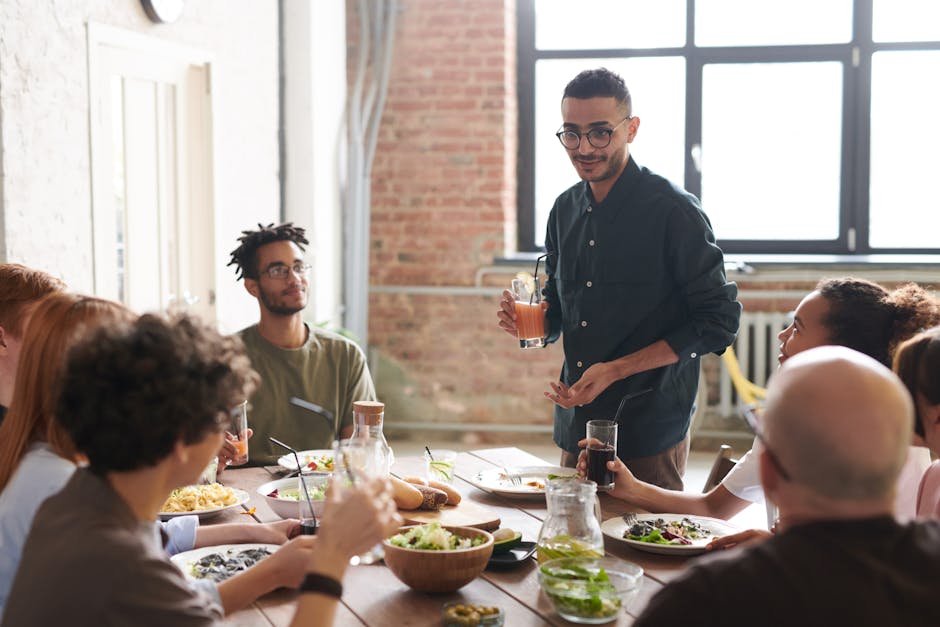
So, go forth and embrace the delicious unpredictability – Auckland's "Reverse Restaurant" scene is waiting to surprise and delight you! Who said Auckland is boring? 😊
-JAFA
Comments
Post a Comment